Tell us about the job
Takes about a minute. No obligation.
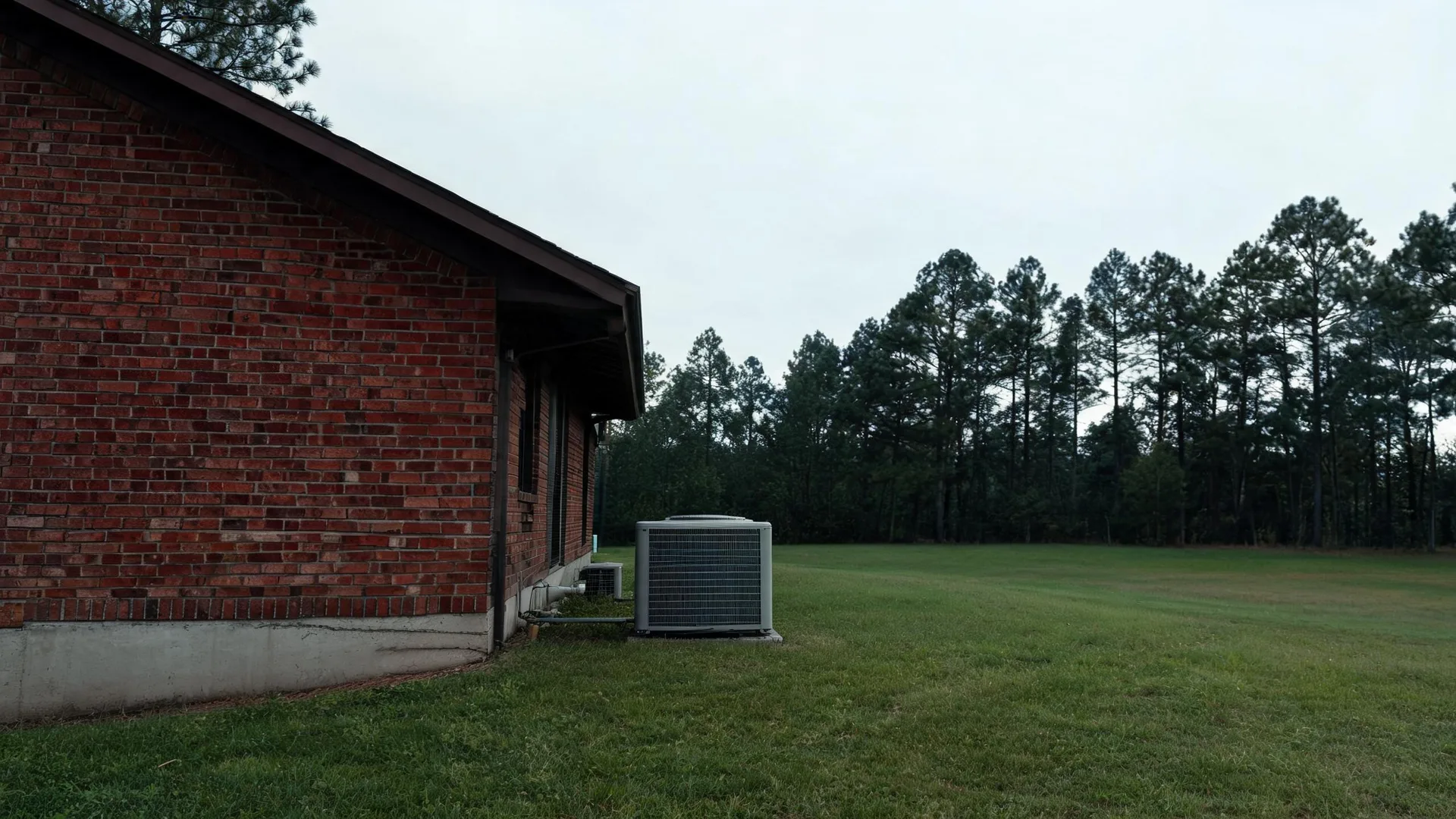
A contractor called out to repair a central AC system in Washington County has to settle one question before anything else: did this component fail because of what this area puts equipment through, or because of something particular to this unit? 84 severe weather events were recorded in Washington County, Tennessee between 2015 and 2024. At that rate, severe weather is a standing condition of operating here, and parts like capacitors and contactors carry that load year after year. A contractor who skips that question risks replacing a part that will fail again for the same reason.
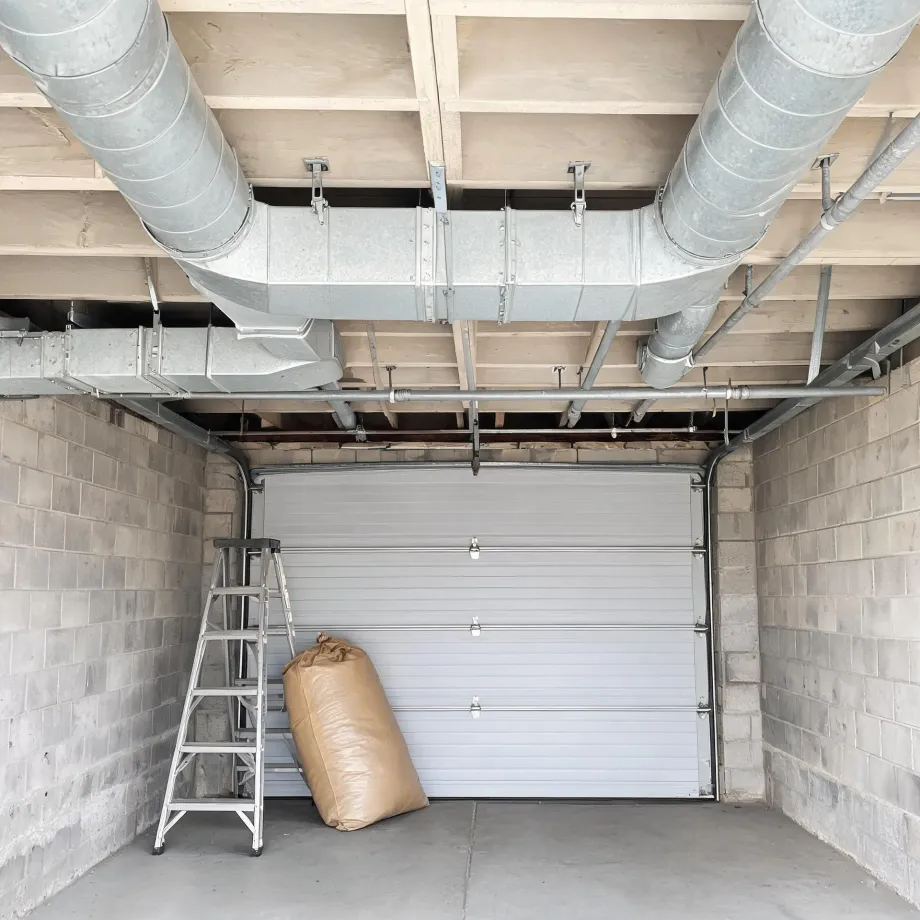
Half the homes in Washington County, Tennessee were built in 1985 or earlier (2020-2024 ACS 5-year). That puts a lot of central AC systems well into the range where what a contractor finds once the cabinet is open is rarely a single clean answer. Capacitors fail from accumulated heat cycles. Contactors corrode. Refrigerant lines develop slow leaks at fittings that have expanded and contracted through many summers. A contractor working a repair here opens the unit expecting that finding one worn part means looking at the components around it, because in a system with that kind of service history, one failing part seldom came alone.
The Parts of a Central AC a Contractor Checks First
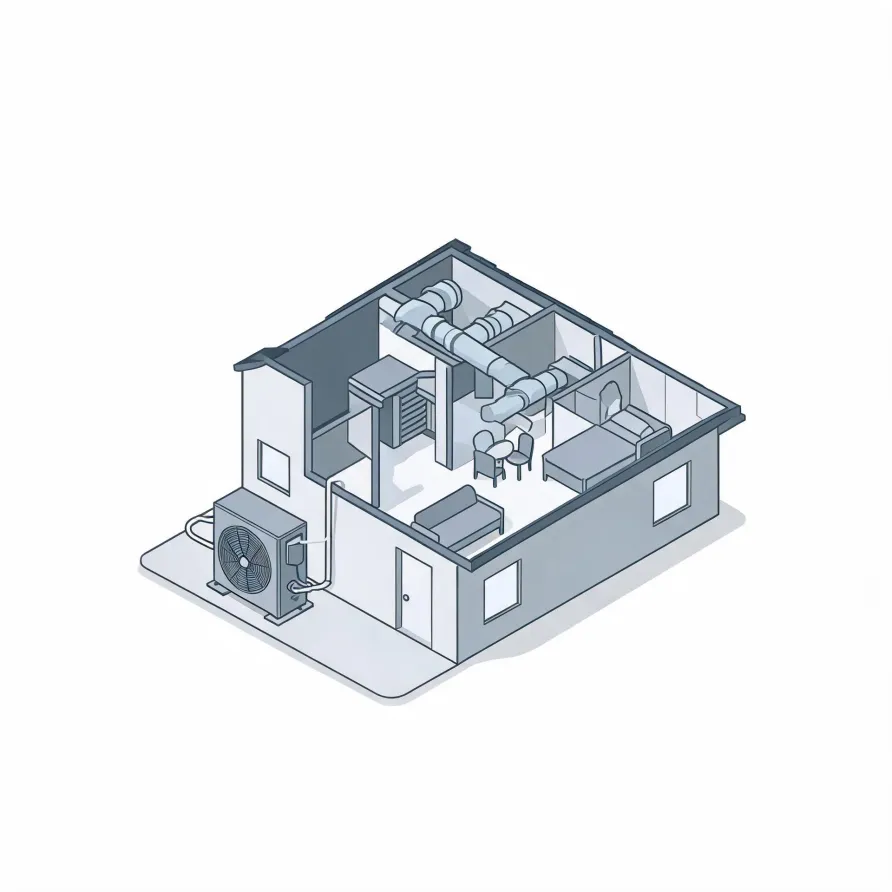
The outdoor condenser unit sits on a pad beside the house and holds the compressor and condenser coil, both of which handle the heavy mechanical work of the system. When a compressor is failing, the unit may run but produce no cooling. A damaged condenser coil often shows up as ice or warm air at the vents.
Inside the house, the air handler or furnace cabinet holds the evaporator coil and the blower that moves air through the home. The evaporator coil is a common source of refrigerant leaks and freeze-ups, and the blower motor is what a contractor checks when airflow is weak. The expansion valve and refrigerant lines connecting the two units round out the path a contractor traces when diagnosing the system.
The drawing shows a typical central AC layout, and a licensed contractor determines what applies to your specific house and equipment.
Find a contractor in Washington CountyWashington County, Tennessee, by the numbers
84 severe weather events were recorded in Washington County, Tennessee between 2015 and 2024.
NOAA National Centers for Environmental Information, Storm Events Database, bulk CSV export, events 2015-01-01 through 2024-12-31.Half the homes in Washington County, Tennessee were built in 1985 or earlier (2020-2024 ACS 5-year).
U.S. Census Bureau, 2020-2024 American Community Survey 5-Year EstimatesWashington County, Tennessee holds 62,077 housing units (2020-2024 ACS 5-year).
U.S. Census Bureau, 2020-2024 American Community Survey 5-Year EstimatesOwners occupy 64.5% of the occupied homes in Washington County, Tennessee (2020-2024 ACS 5-year).
U.S. Census Bureau, 2020-2024 American Community Survey 5-Year EstimatesCodes & Standards Governing Central AC Repair in Washington County, Tennessee9 sourced rules and standards
What Happens When a Contractor Comes to Your Home
Split-system central air conditioners rated below 45,000 Btu/h manufactured on or after January 1, 2023 must meet a federal minimum of 13.4 SEER2.
Split-system central air conditioners rated at or above 45,000 Btu/h manufactured on or after January 1, 2023 must meet a federal minimum of 13.4 SEER2.
Split-system central air conditioners manufactured between January 1, 2015 and December 31, 2022 had to meet 13 SEER, the metric that preceded SEER2.
Single-package central air conditioners manufactured on or after January 1, 2023 must meet a federal minimum of 13.4 SEER2.
Space-constrained central air conditioners manufactured on or after January 1, 2023 must meet a federal minimum of 11.7 SEER2.
Federal efficiency standards for split-system central air conditioners and heat pumps are set on each certified combination of outdoor unit and indoor coil rather than on the outdoor unit alone.
Residential and light commercial air conditioning and heat pump systems assembled in the field, including mini-splits and unitary systems, may not be installed on or after January 1, 2025 using a refrigerant with a global warming potential above 700.
A field-assembled system whose specified components were all manufactured or imported before January 1, 2025 carries no installation compliance date under the refrigerant restrictions and may still be installed.
Licensing and Legal Requirements in Washington County, Tennessee
Tennessee licenses contractors by classification, and HVAC, refrigeration and gas piping is one of them — a sub-classification of mechanical contracting on the licence the Board for Licensing Contractors issues.
Severe Weather Events in Washington County
Weather puts real hours on cooling equipment. Every pressure swing, power fluctuation, and temperature extreme a storm brings is a load the system has to absorb, and that wear is specific to what this area actually sees.
84 severe weather events, 2015–2024. Source: NOAA National Centers for Environmental Information, Storm Events Database.