




Profile view of a bearded man wearing a black baseball cap and a dark gray T-shirt against a plain light background.

Central AC or mini split for a Tennessee home

Step 1 of 3: Equipment

For most Tennessee homes, central AC is still the right call if ductwork is already in place. It cools the whole house evenly, and with summers here running humid from June through September, a properly sized central system pulls that moisture out of the air better than most people expect. A mini split makes more sense when you're cooling a room or two without ducts, like a garage, a sunroom, or an addition that was never tied into the main system. It also works well if you heat with electric resistance heat now and want a more efficient way to add heat in the shoulder months, since a mini split can do both jobs. The choice usually comes down to what's already built into your house, not which system is better on paper. Getting the sizing and the installation right matters more than the brand name on the unit, since an oversized or badly installed system will run poorly no matter which type you choose.

A woman with shoulder-length brown hair wearing a beige knit cardigan sits in a gray upholstered armchair near a window, looking off to the side with a slight smile, with bookshelves blurred in the background.
A woman and a sleeping child wrapped together in a cream knitted blanket on a couch, with a potted plant, framed photo and lit lamp in the background.

A mini split makes sense when a room has no duct running to it at all, like a finished garage or a sunroom added after the house was built.

Running new ductwork into that one room costs more than a mini split ever will, and the mini split cools just that space instead of the whole house.

A man with grey hair and stubble in a dark sweater sits on a grey sofa indoors, looking off to the side, with a potted plant and a sunlit window behind him.
A man with gray hair, a beard and glasses, wearing a dark green sweater, sits on a gray sofa in a sunlit living room with a potted plant, table lamp and wooden sideboard behind him.
A middle-aged man with graying hair and a short beard sits on a blue sofa in a living room, looking toward a window, with a bookshelf, lamp and framed picture in the background.
A man with graying curly hair and a dark green sweater sits on a gray sofa in a sunlit living room, looking off to the side, with a framed picture, shelving, an armchair and a window with sheer curtains behind him.

If your home already has ducts

Central AC uses what's already there. A contractor ties into the ductwork that's already running through the attic or crawlspace and connects it to a new outdoor unit and coil. There's no new line sets to run, no wall units to mount in every room, and one thermostat covers the whole house. For a home built with ducts in place, this is usually the straightforter path, and it keeps the house cooling the way it already does, just with newer equipment behind it. The humid stretch from June through September is handled from one system instead of several.
If a room was never ducted

A sunroom, a finished garage, a bonus room added after the house was built. None of these have a duct run, and cutting one in means tearing into walls or ceilings to get there. A mini split skips that. It mounts a small unit on the wall, runs a line set through a hole no bigger than a few inches, and cools that room on its own thermostat. It won't touch the rest of the house, but it doesn't need to. It's built for the one room central air was never going to reach anyway.

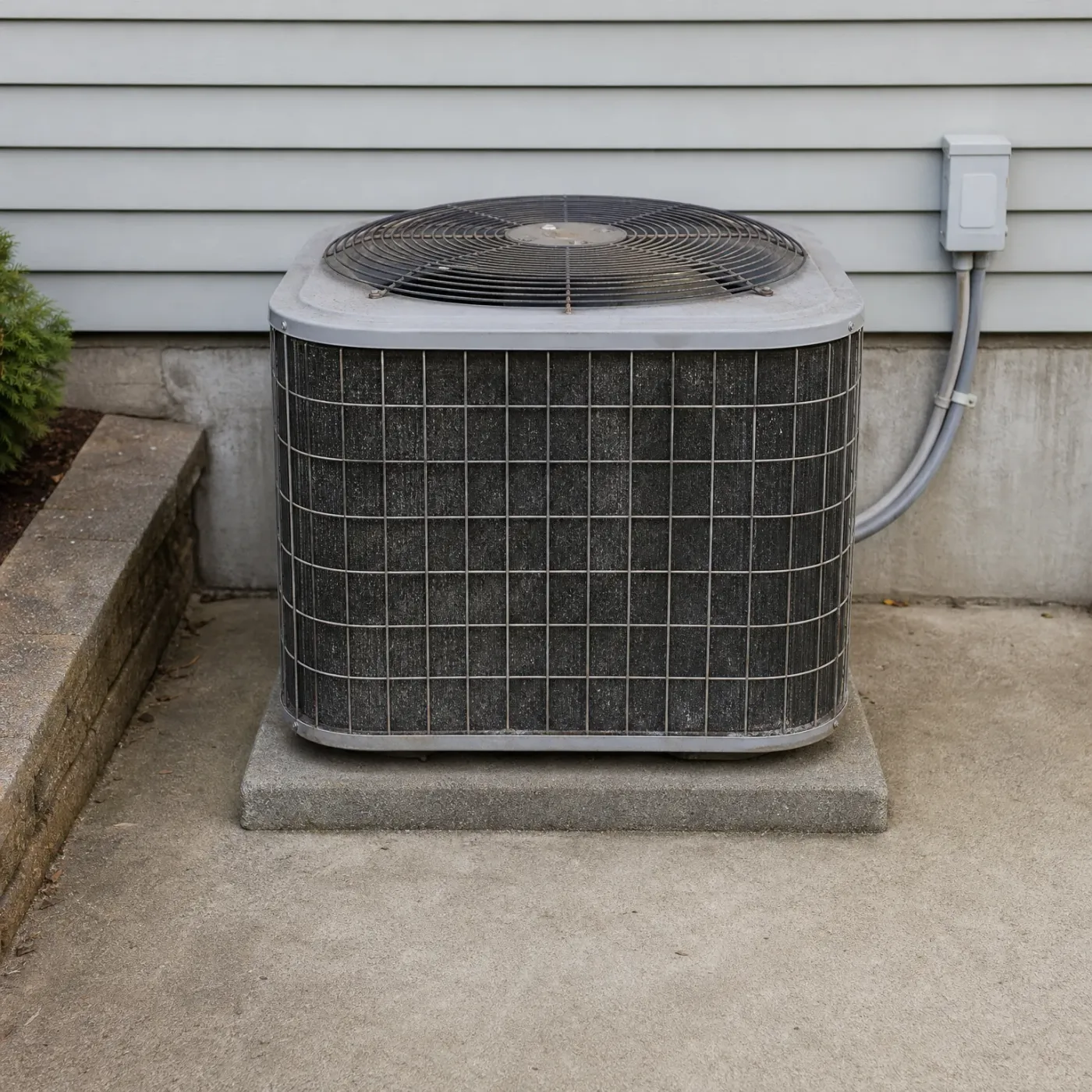
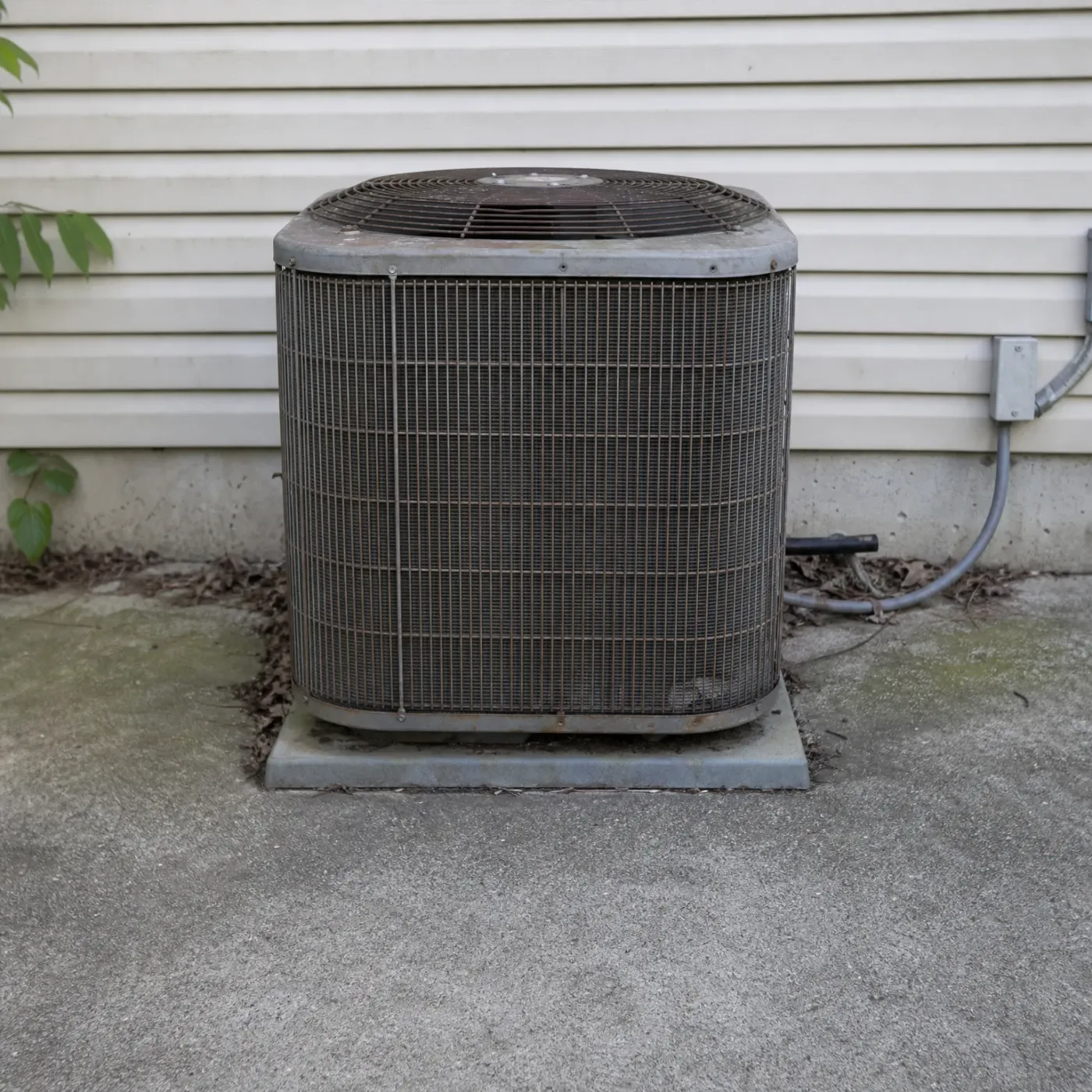
A weathered outdoor air conditioner condenser unit on a concrete pad beside a house with horizontal vinyl siding, with a conduit and disconnect box on the wall to the right.
Before you get your air conditioner installation
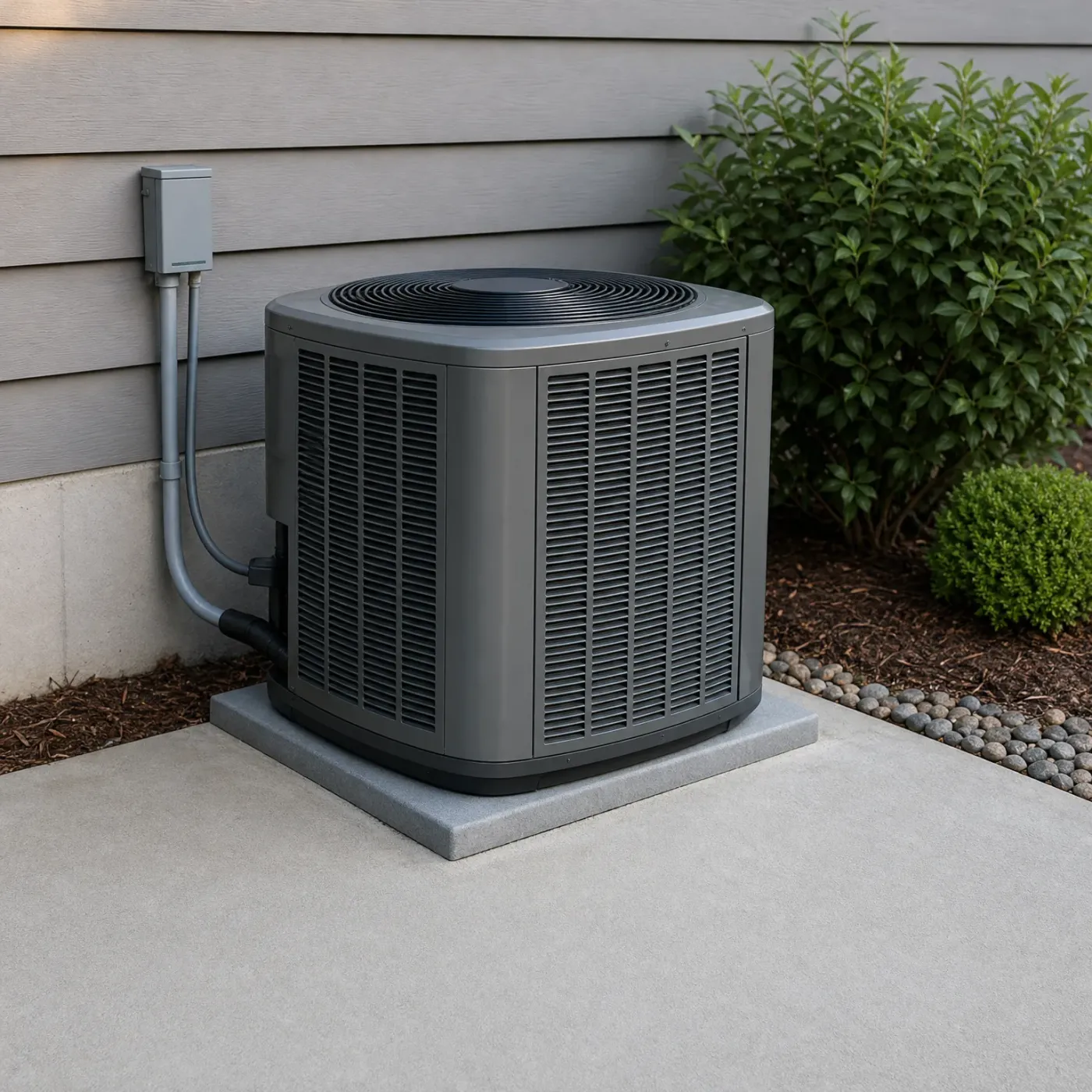
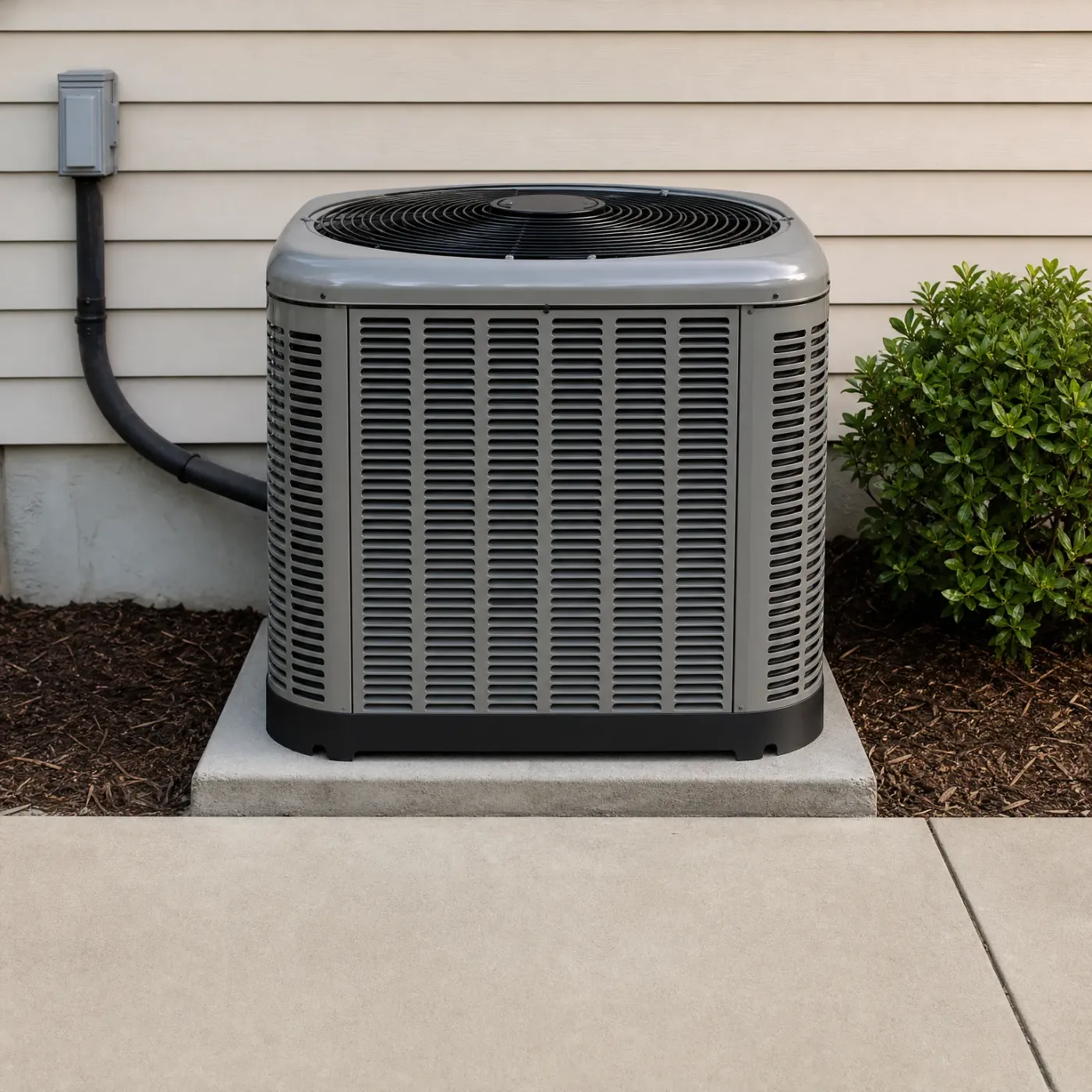
A gray outdoor air conditioning condenser unit on a concrete pad beside a house with horizontal lap siding, with a conduit and electrical disconnect box on the wall and a green shrub in mulch to the right.
After you get your air conditioner installation
A gray outdoor air conditioner condenser unit on a concrete pad beside a house with horizontal lap siding, with a wall-mounted disconnect box and conduit at left and a green shrub and mulch bed at right.

Running right

A central AC unit should cycle on, run for a while, and shut off clean, cooling the whole house evenly through the ductwork. The disconnect box stays dry and secure, the conduit intact, and the pad level under the unit.

An outdoor air conditioner condenser unit on a concrete pad beside a house with horizontal lap siding, with a conduit running to a gray electrical disconnect box on the wall.

Running into trouble

When the unit short cycles, struggles to keep up on the hot afternoons, or the wall nearby feels warm to the touch, something's off. A contractor local to Tennessee who services this equipment all summer can tell you if it's a dying capacitor, a refrigerant leak, or a system that was undersized from the start.

Why does a mini split cool a room so much faster than central air?

You've noticed a mini split blast a sunroom or garage cool in minutes, while central air takes a while to bring the whole house down. It makes you wonder if central AC is just slower equipment, or if something else is going on with the way each system actually moves cold air into a room.

It's cooling one room directly, not the whole house through ductwork

A mini split has an indoor air handler mounted right in the room, blowing cold air straight off the coil a few feet from where you're sitting. Central air has to push that same cold air from the outdoor unit through ductwork in the attic or crawlspace, down a line, and out a vent before it ever reaches you. By the time it gets there, some of that cooling has already bled off into the duct run. That's not a flaw in central air, it's just a longer path. It's also why a mini split works well for one room that runs hot, while central AC is built to bring an entire Tennessee home down evenly, not just the room closest to the thermostat.

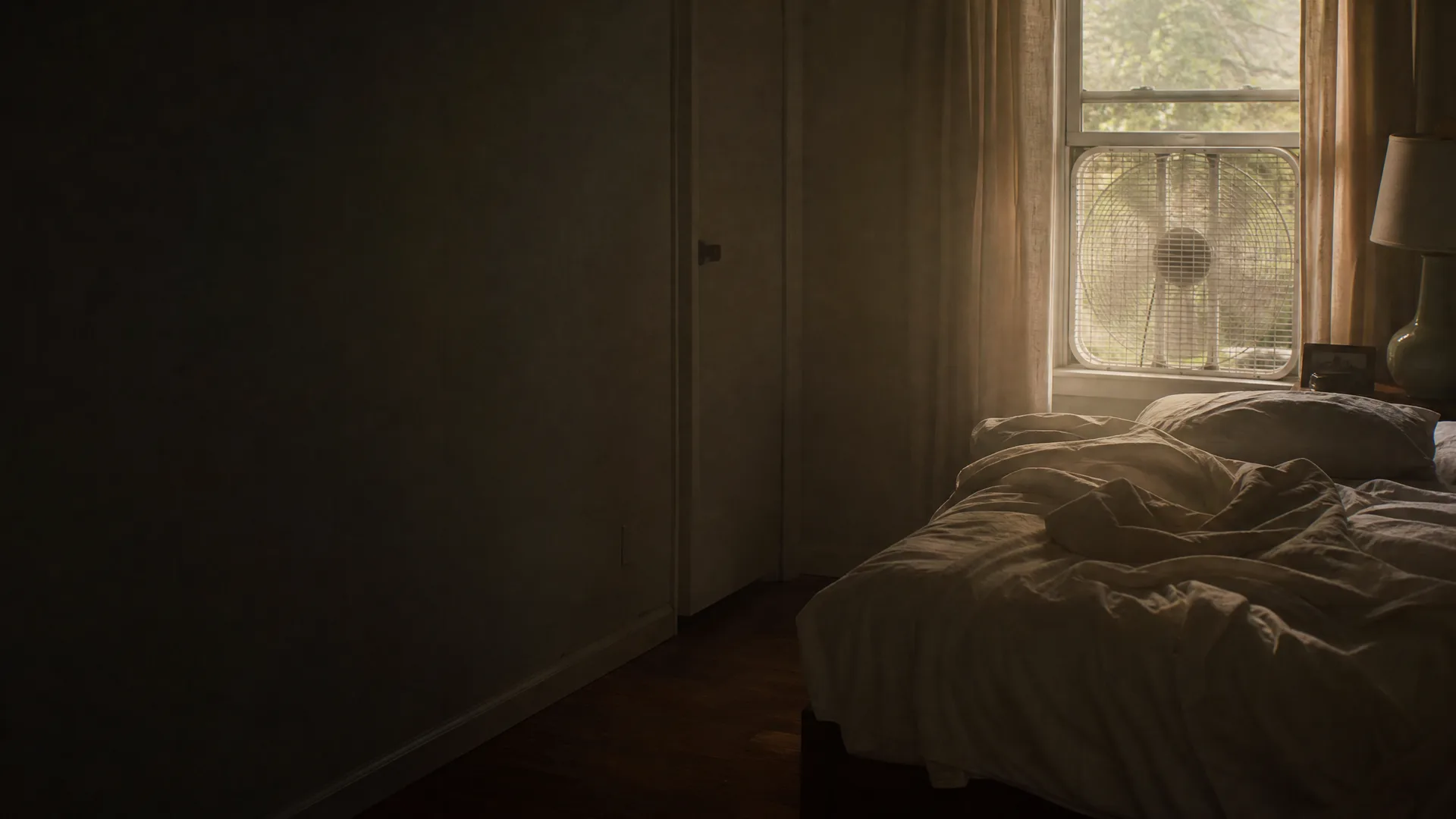
A dim bedroom with an unmade bed beside a window holding a box fan, with sheer curtains, a lamp at right and a large blank wall at left.

The box fan in the window is just pushing hot air around. It's past nine and still ninety upstairs, the kind of heat that sits on you after a June day in Tennessee. You're lying on top of the sheets, not under them, waiting for the one register in the hallway to do something it hasn't done since July last year. Downstairs the house is fine. Up here it's always behind, the air thick enough to feel in your throat. You've already decided tonight's the night you call someone about it, after you've stared at the ceiling fan long enough to notice it isn't helping either.

Send one request and you're done looking

One installer gets your project, so there's no bidding war over it.

You only hire the pro if you want to.

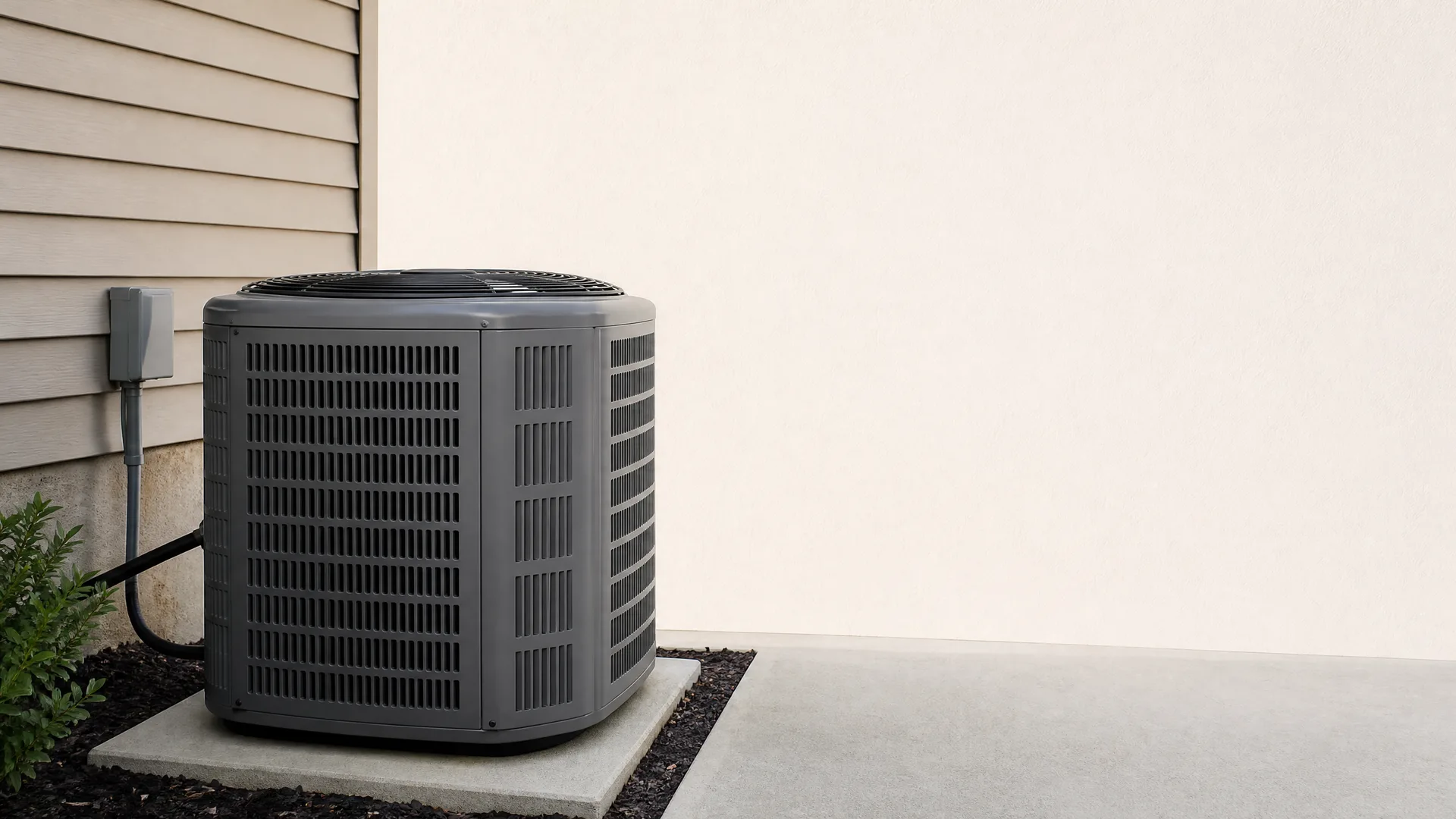
A gray outdoor air conditioner condenser unit on a concrete pad beside a house with horizontal siding and a light stucco wall, with a disconnect box and refrigerant lines on the wall and a shrub and mulch bed at left.

What a whole-house system costs to run

Power in Tennessee is cheap compared to most of the country, and most homes here already heat with electric strip or heat pump systems. That changes the math on central air. Running one larger outdoor unit to cool the whole house doesn't carry the same sting here that it would somewhere with higher electric rates. A central system sized right for your square footage and ductwork is the straightforward, lower-hassle path when every room already has a vent.

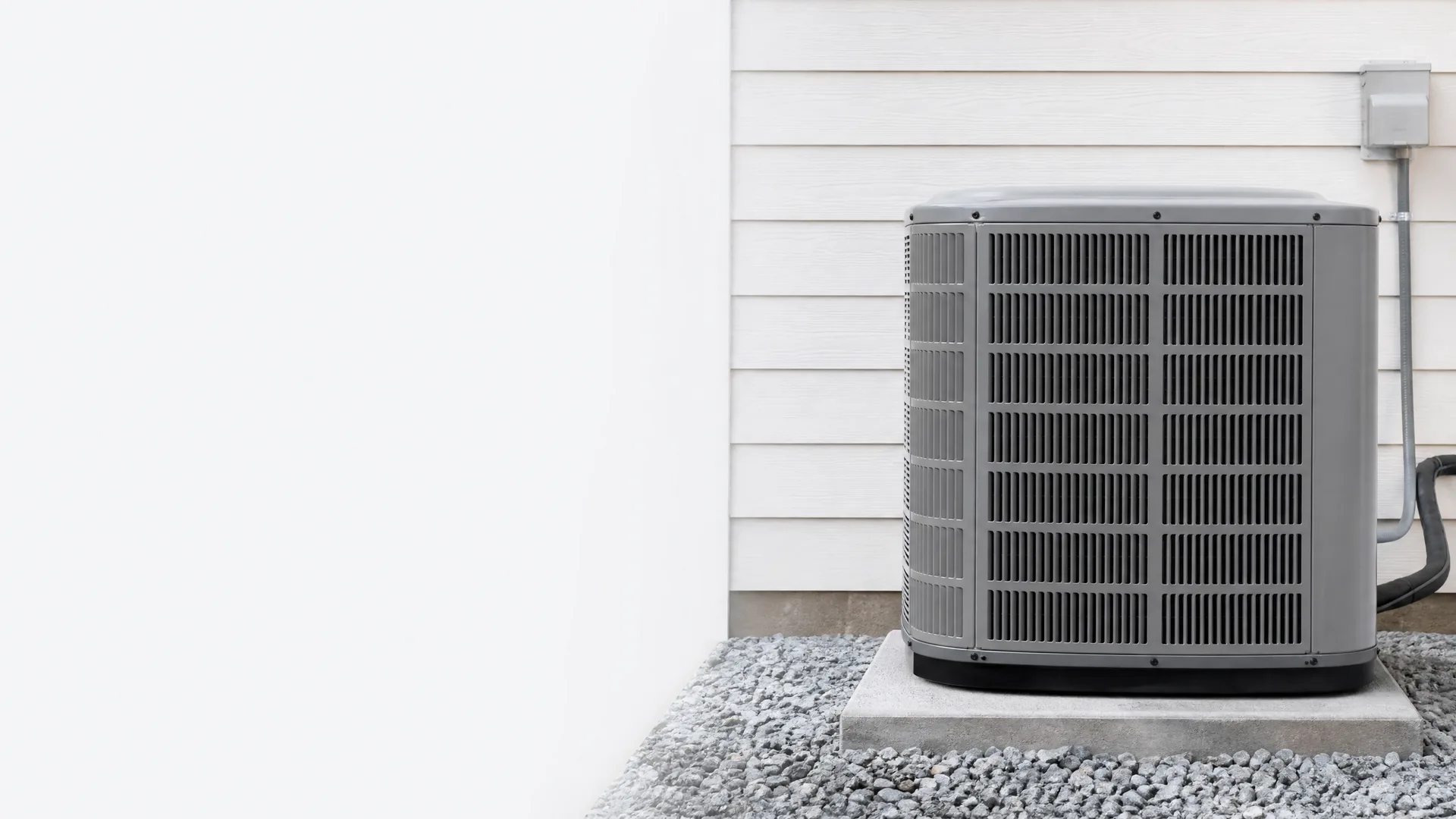
A gray outdoor air conditioning condenser unit on a concrete pad surrounded by gravel, next to a white horizontal-lap-sided house wall with an electrical box and conduit, against a blank white background on the left.

What one room costs to add

A mini split draws its own power separate from the rest of the house, so you're adding a line item rather than reworking one. For a single room, that's usually less total electricity than running the whole central system harder just to reach one stubborn space. If the room is rarely used, like a workshop or guest space, a mini split lets you cool only when someone's actually in there, instead of conditioning air for a room that sits empty most days.

Whole house or just one room

Central AC

  • A licensed installer sizes the outdoor unit and coil to your square footage, not just the room you're standing in.
  • If the ductwork already running through your attic or crawlspace is sound, that's the install, no new line sets or wall units to plan around.
  • One thermostat controls the whole house, so you're not adjusting settings room by room.
  • Because it ties into existing ducts, the install crew is in and out without opening up walls in rooms you're not even cooling.
  • A contractor who installs these every summer in Tennessee knows which coil sizes and refrigerant lines hold up through a humid season.
  • Getting the sizing wrong is the most common mistake, too big and it short cycles without pulling out the humidity, too small and it runs constantly.

Mini Split

  • No ductwork needed, so a room added after the house was built, or a garage that was never tied in, gets cooled without tearing into a wall for a duct run.
  • Each indoor head has its own setting, so a sunroom that bakes in the afternoon can run colder than the rest of the house without affecting it.
  • Installation means mounting the indoor head, running a line set through one small wall penetration, and setting the outdoor unit, usually a shorter job than running new ducts.
  • A local installer who puts these in regularly knows the right head size for a room this size and how to route the line set cleanly.
  • It only cools the space the head is in, so it's not a fix for a whole house that already has ductwork in place.
  • Multiple heads on one outdoor unit means more line sets and more wall penetrations, so a contractor who's done several of these in homes like yours knows how to keep that clean.
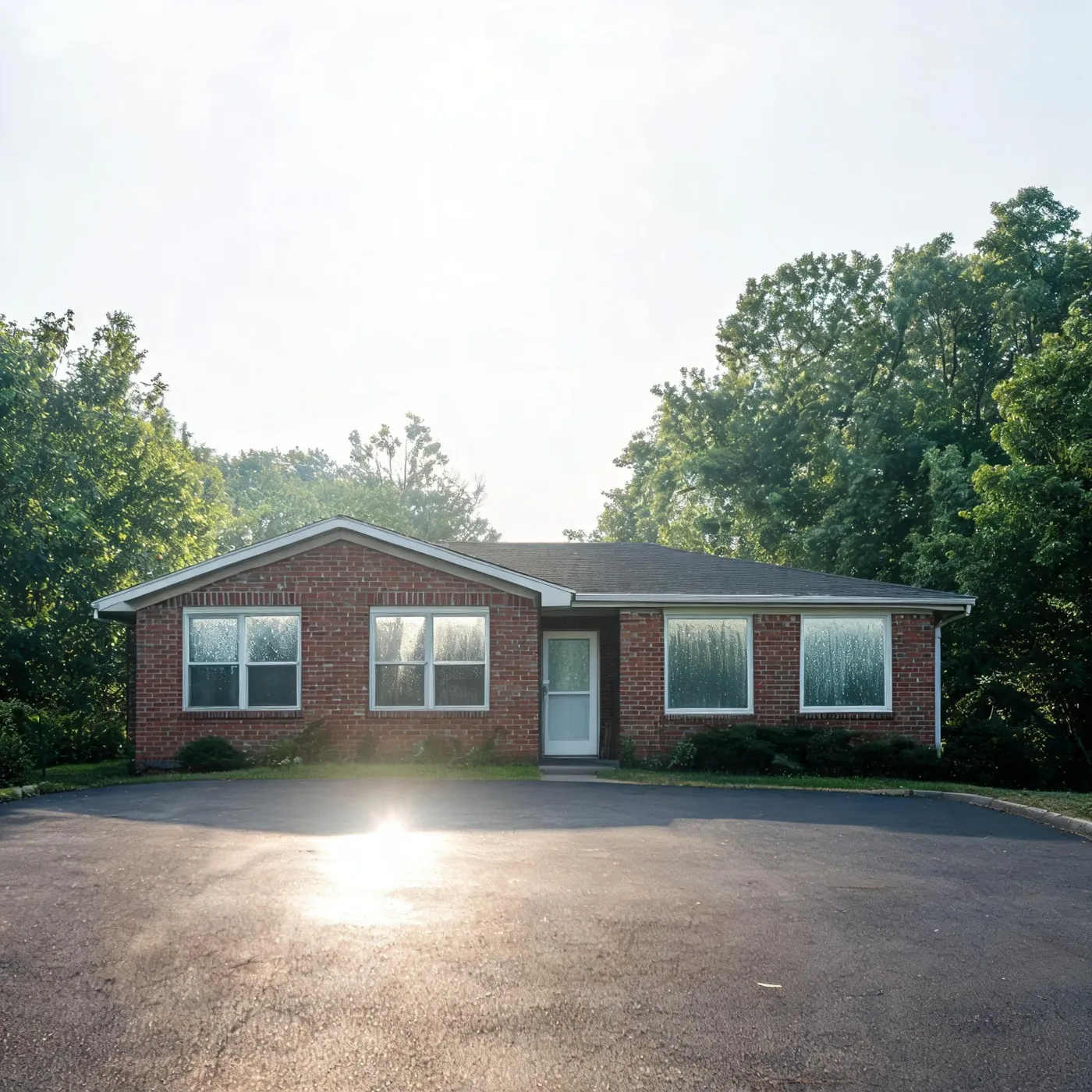
A single-story red brick ranch house with white-framed windows and a white storm door, fronted by a large asphalt parking area and backed by leafy green trees under a bright hazy sky.

A dew point is what actually makes the air feel heavy, more than the temperature does. Across a Tennessee summer it averages 66°F, according to NOAA climate data, which is firmly into the sticky range. That's the air your central AC has to wring moisture out of every time it runs, not just cool down. A unit sized right for your square footage handles that steadily, cycling on, pulling the humidity down with the temperature, and shutting off. One sized wrong will drop the temperature and leave the air feeling damp, so the house reads cool on the thermostat but still feels sticky when you walk through it.

NASA POWER T2MDEW county cells weighted by homes

Is one room always hot while the rest of the house feels fine?

You notice it most in whichever room sits farthest from the thermostat, a bonus room over the garage or a bedroom at the end of the hall. It runs warmer than the rest of the house no matter how low you set the temperature, and the vent in there barely pushes air. That's a duct run struggling to reach it, not the outdoor unit failing. If the room was added after the house was built, there may be no duct running to it at all. Left alone, the rest of the system keeps working harder trying to cool a space it can't reach, and that room stays the one everyone avoids in July and August.

  1. A contractor checks your ductwork's size and condition before anything else

  2. The outdoor unit and coil get matched to your home's square footage

  3. The old outdoor unit and coil come out first, if replacing one

  4. The new condenser goes on the pad and the coil into the air handler

Power costs 13.22 cents per kilowatt-hour statewide

At 13.22 cents per kilowatt-hour, your central AC costs less to run here than it would almost anywhere else. A properly sized system can cool the whole house without turning your summer power bill into the reason you dread July.

EIA-861 2025 statewide residential average

Matching the System to Your House

  • If your attic or crawlspace already has ductwork in good shape, central AC is almost always the right fit for a whole Tennessee house.
  • A room with no duct running to it, like a converted garage or a sunroom, is where a mini split earns its keep instead.
  • A licensed local installer who works on this equipment every summer has seen which ducts, pads and disconnects in this climate hold up and which ones fail.
  • Sending one request means one contractor who knows your area calls, not a handful of companies competing for the same job.
  • Either system comes down to matching the equipment to your house, not picking whichever one sounds newer.

The answer comes down to what's already in your walls and attic. A house with sound ductwork gets central AC, because that ductwork is most of the cost of a system already paid for by whoever built the place. A room the ducts never reached, a converted garage, a sunroom tacked on after the fact, gets a mini split, because running new duct into one room costs more than the mini split that cools it. Nothing about this changes room by room or house by house. It's the same question every time: is there duct there or not.

Getting it installed right matters as much as picking the right one. A central AC unit that's sized wrong for your square footage will run long and still leave a bonus room warm. A mini split mounted by someone who doesn't account for your home's layout can end up working against the ductwork you already have instead of alongside it. This is why the installer matters as much as the equipment. A licensed contractor working in your part of Tennessee has put in and serviced this equipment through enough summers to know which pads shift, which disconnects corrode, which duct runs lose their seal first.

Send one request and one contractor who knows your area calls, not a handful of companies all chasing the same job. You answer the question once. Finding someone to do the work right stops being something you have to figure out on your own.

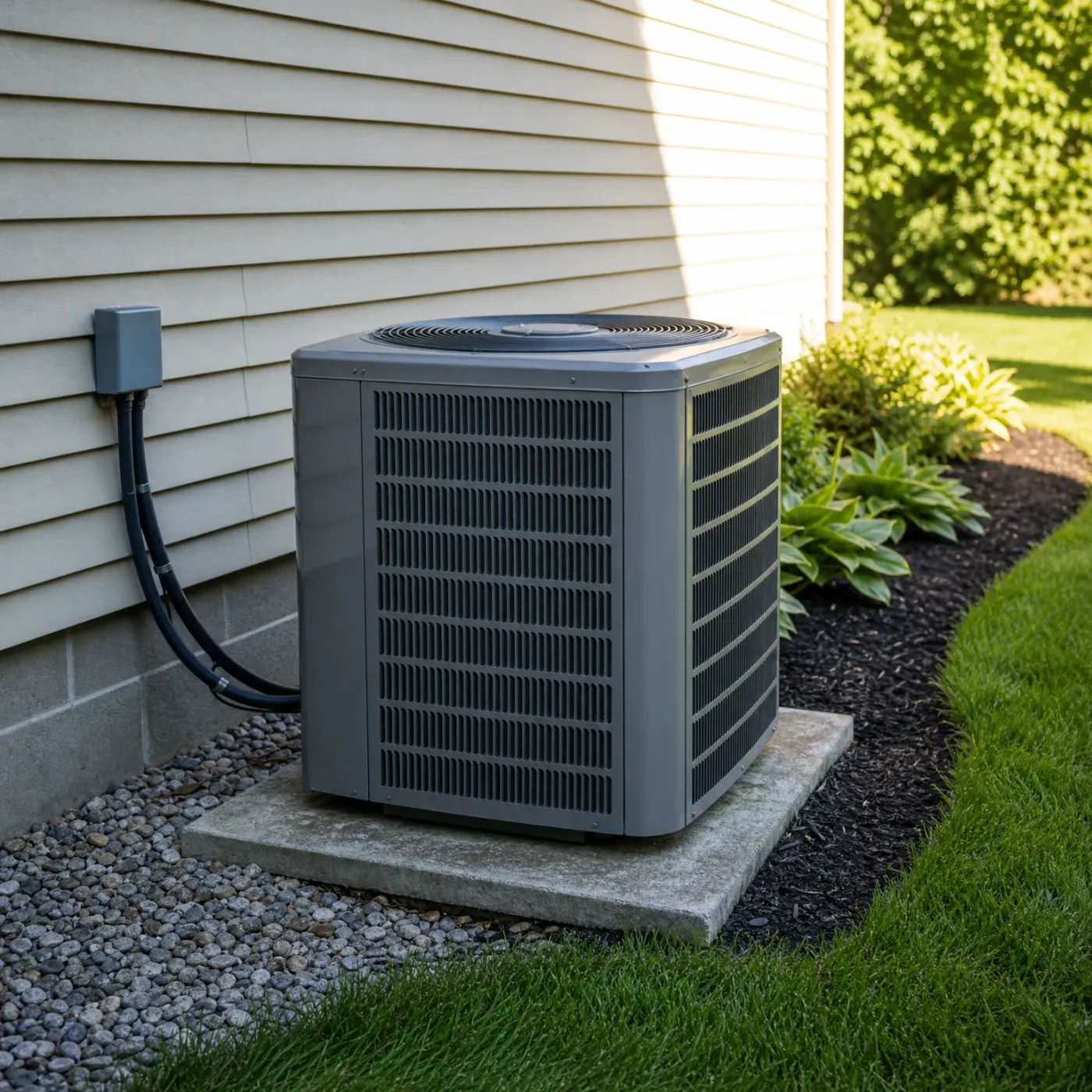
A gray outdoor air conditioning condenser unit on a concrete pad beside a house with light horizontal siding, with gravel, dark mulch, shrubs and lawn nearby and a conduit box on the wall.

Finding a pro stops being your job

Find a local pro

Your request goes to one pro, not a list of companies.

Asking costs nothing, and the choice to hire stays yours.