

The AC keeping up
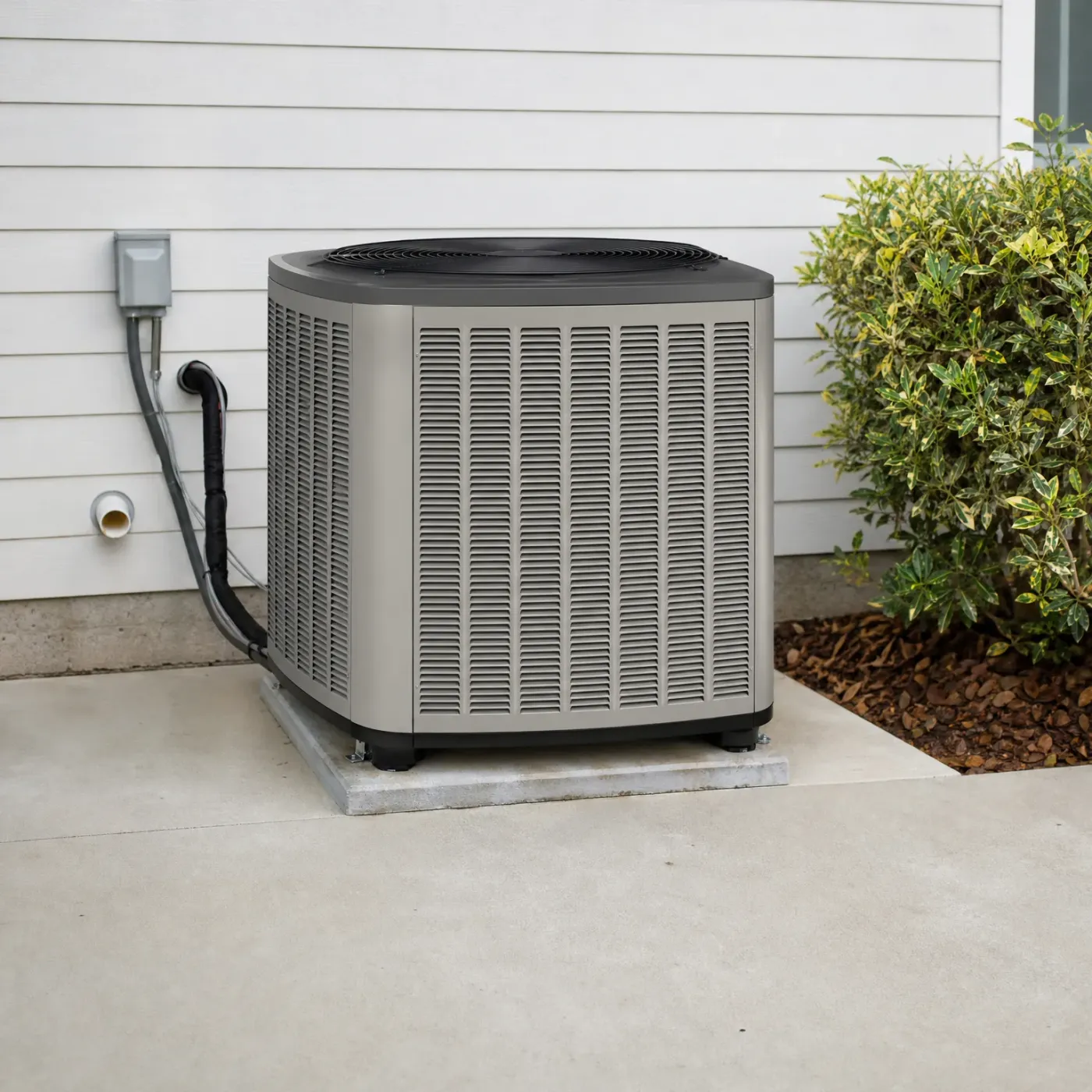
A clean condenser outside a home like this one cycles on, cools the air, and pulls the moisture out with it. You come home to a house that feels dry and even. No clamminess on the couch, no musty smell in the closets.
Skip collecting and comparing quotes for the new air conditioner.
Skip the callsMost of the year, your air conditioner handles the humidity on its own as it cools the air. In Tennessee, summers get sticky enough that your AC can struggle to keep up on the muggiest days, the ones where the air feels heavy even with the thermostat set low. An AC is built to pull out some moisture as it runs, but it's sized to cool your house, not to dry it, so on long humid stretches it can fall behind. A dehumidifier works alongside your AC rather than replacing what it does. It picks up the extra moisture your system can't keep pace with, so your house feels dry and comfortable without you having to push the thermostat colder than you want. Whether you need one depends on how your particular house holds up through July and August. If rooms feel damp, windows fog, or the air still feels thick with the AC running, that's your answer.
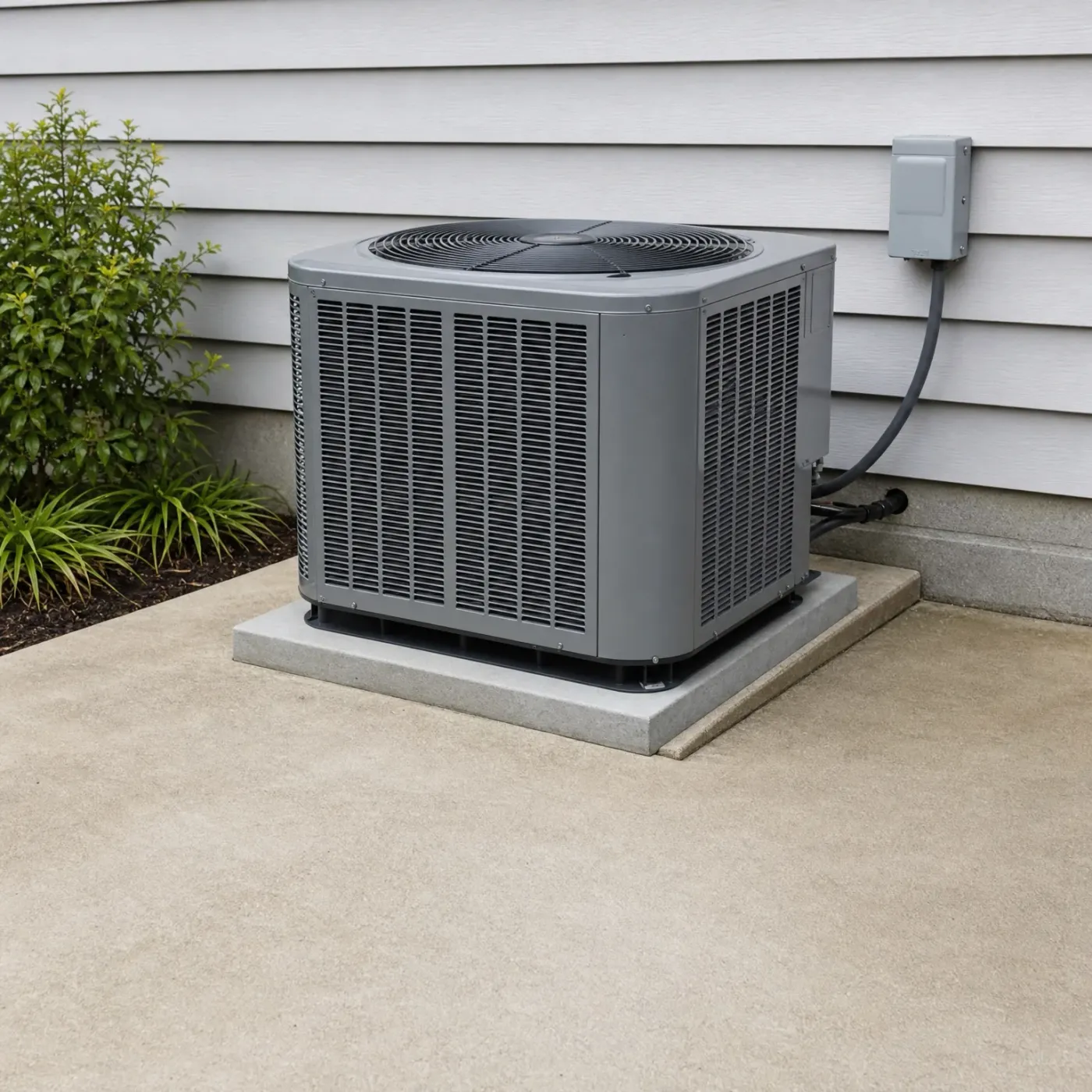
A clean condenser outside a home like this one cycles on, cools the air, and pulls the moisture out with it. You come home to a house that feels dry and even. No clamminess on the couch, no musty smell in the closets.
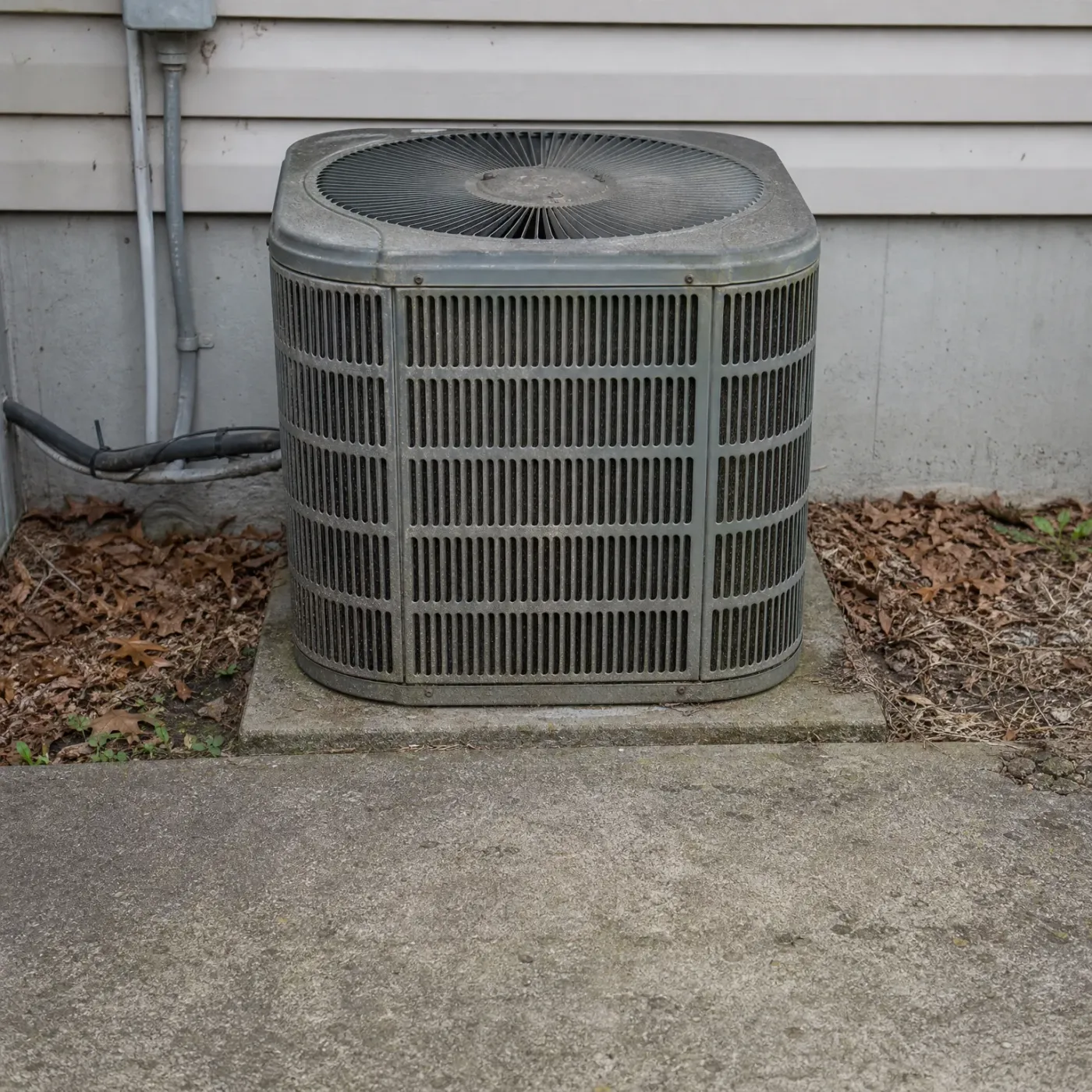
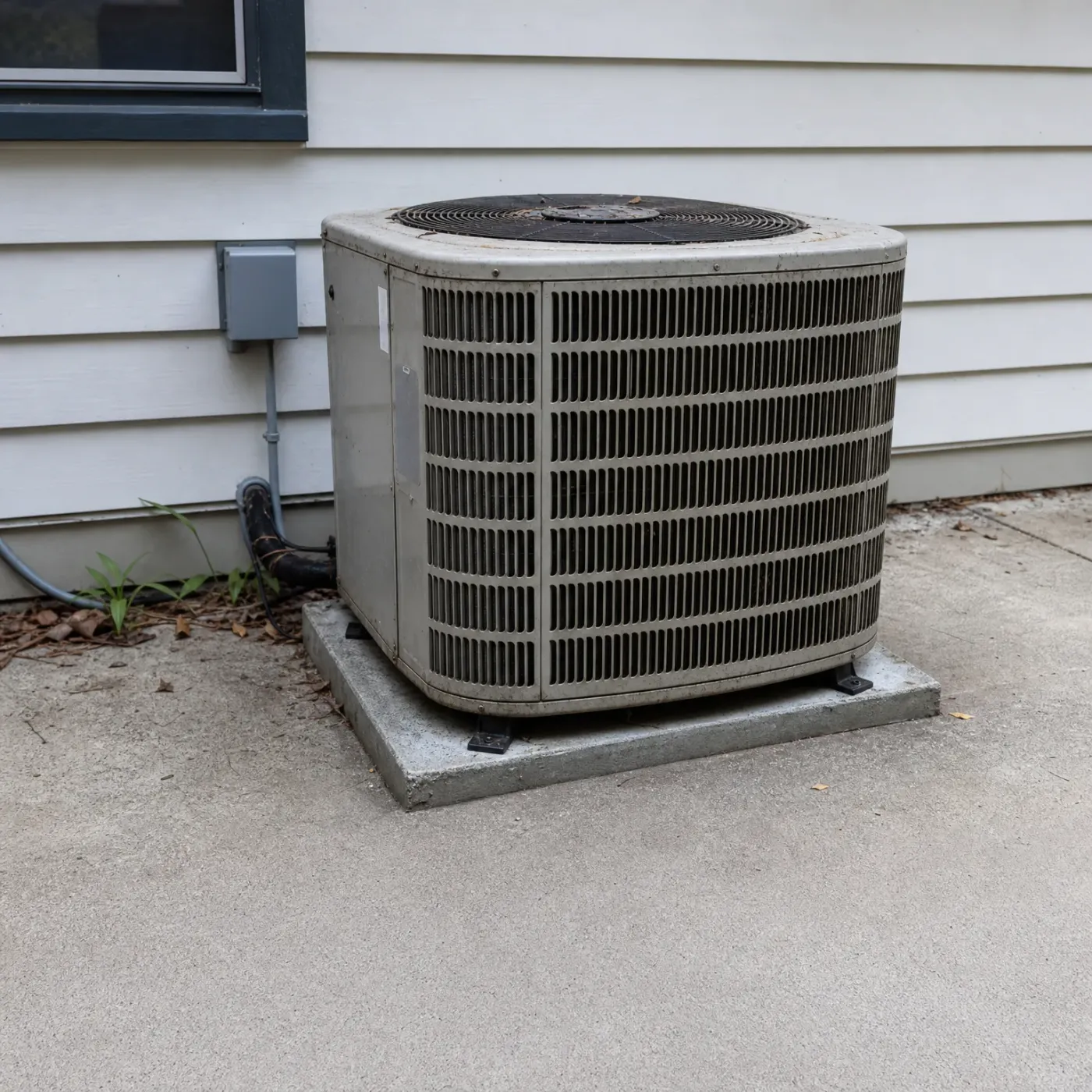
Leaves pile up against the unit, the coil is caked with grime, and it runs longer to do the same job. Even with the thermostat set low, the air inside stays heavy. That's the point a dehumidifier starts to make sense.

You notice it in small ways first. Sheets that feel damp when you get into bed. Wood doors that stick in their frames in July and swing free again by October. A closet that smells faintly musty no matter how often you clean it. None of that means your AC is broken. It means the air it's cooling still has more moisture in it than the house can shed on its own, and that moisture settles into fabric, wood, and the corners where air doesn't move much.
Leave it long enough and it stops being just uncomfortable. Mold takes hold on a closet wall, baseboards swell, a wood floor cups near an exterior door. Finding someone to look at it usually means a run of phone calls, explaining the same thing to each one, waiting on quotes that are hard to compare because nobody measured the same thing. A dehumidifier sized to your house and tied into your ductwork is a job for a contractor who installs them regularly in homes like yours and knows what size actually fixes it, not just one more call on your list.





You already know your AC should be handling most of the humidity on its own, and that it can fall behind on the stickiest days. So the natural next question is what a whole-home dehumidifier actually adds, and how it works alongside the system you already have rather than fighting it or duplicating what it does.
A whole-home dehumidifier installs into your return or supply ducts, usually near the air handler. It has its own humidistat, set wherever you want, often around 50%. When the air in your house climbs above that, the dehumidifier pulls air through its own coil, wrings the moisture out into a drain line, and sends the drier air back into your ductwork to circulate. It does this whether or not your AC is running. That's the part that matters in Tennessee. On a mild, humid day when it's not hot enough for the AC to cycle much, the dehumidifier still works, because it isn't waiting on a cooling call to do its job.
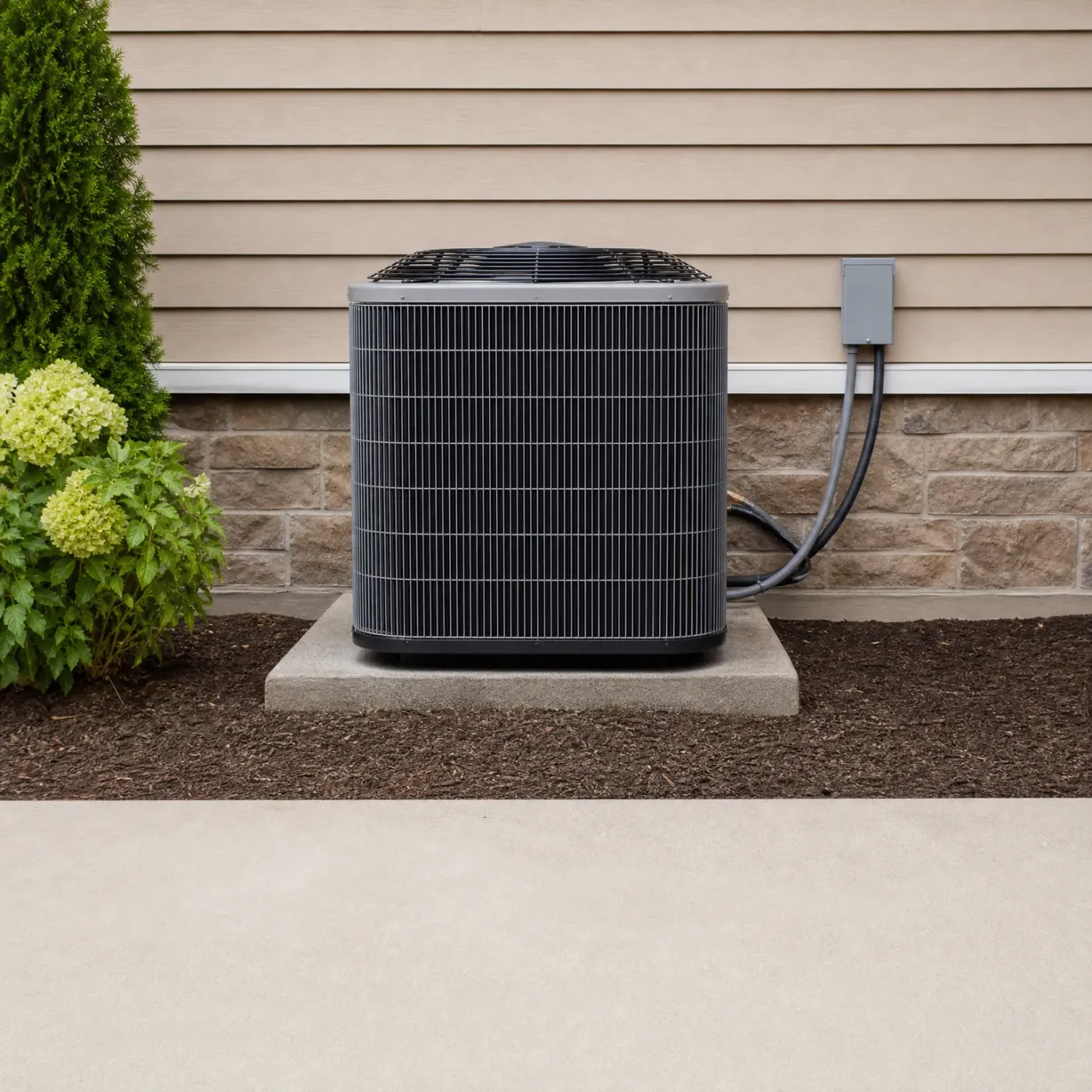
This is what your unit looks like running alone through a Tennessee summer. It cools the house and strips out moisture on most days without help. On the stickiest stretches, it keeps running longer to chase humidity the air alone can't pull out fast enough.
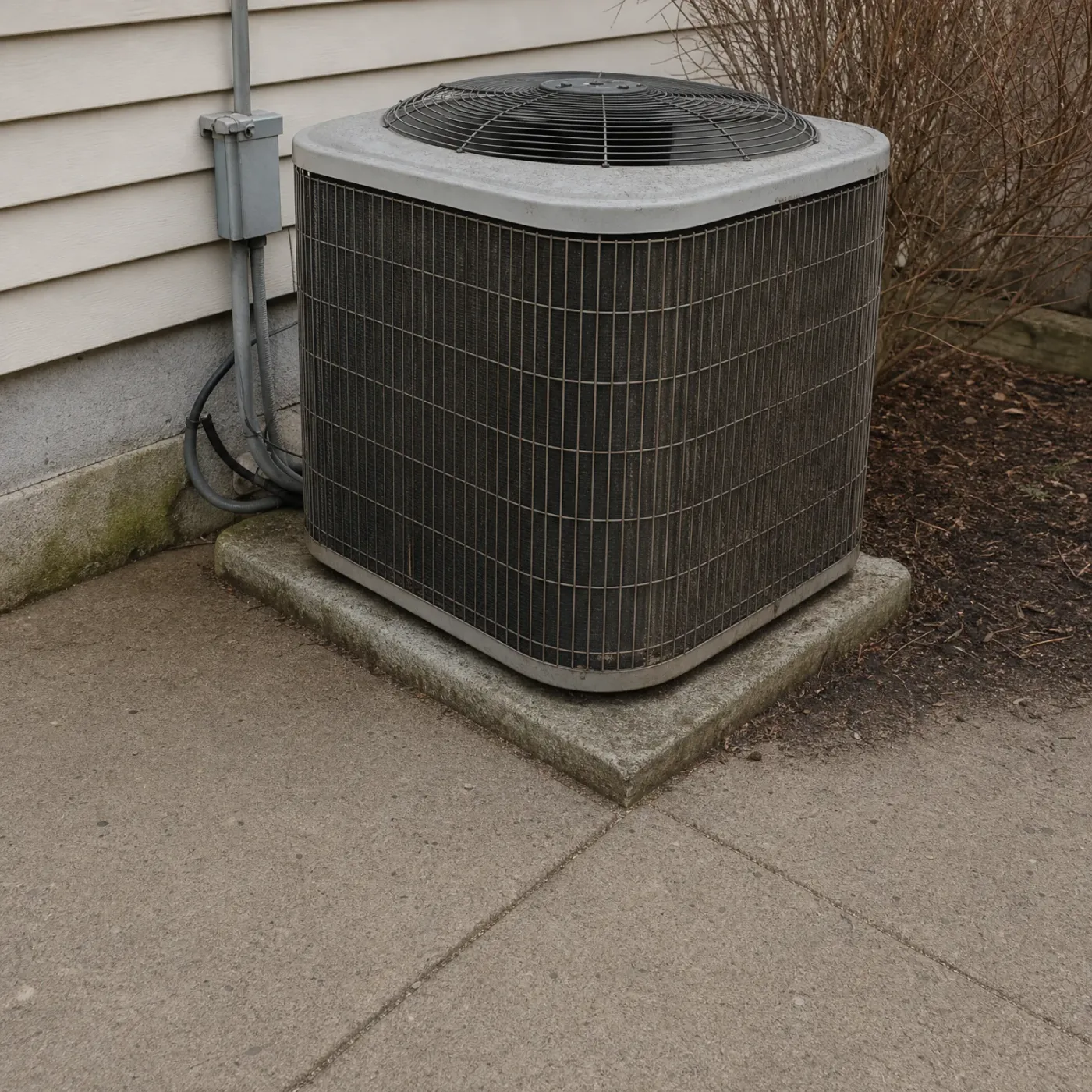
This is what it looks like when the moisture wins. The compressor cycles more than it should, working harder for the same cooling. A whole-home dehumidifier takes that load off, so the AC goes back to just cooling the air instead of fighting the humidity too.
One installer gets your project, so there's no bidding war over it.
No fee to send it, and nothing to sign.
Your thermostat reads air temperature, not moisture. It can say 72 while the air inside sits at 65 percent humidity or higher, which is the point where a house starts to feel damp no matter how cold it is. Your AC only pulls moisture out of the air while it's running, and it only runs long enough to satisfy the thermostat. On a mild, sticky day it might cool the house in short cycles that don't run long enough to catch much water at all. That's why a house can read cool and still feel clammy. A dehumidifier works off a humidity setting instead, so it runs based on what the air actually holds.
A whole-home dehumidifier ties into your ductwork and pulls air across a cold coil of its own, separate from your AC's. Moisture condenses on that coil and drains out through a line, the same way condensation drips off a cold glass. That water leaves the house instead of sitting in carpet fibers, drywall and the air itself. The unit runs on its own schedule, set by a humidity target rather than a temperature one, so it can keep working on a day when your AC barely cycles. It shares your home's ducts, so there's no separate set of vents or a window unit to find room for.
At 13.22 cents a kilowatt-hour, running your AC longer to fight humidity shows up on the bill fast, especially since most Tennessee homes heat with electricity too. A dehumidifier that handles the moisture lets your AC cool without overworking, which keeps those added hours off your meter.
EIA-861 2025 statewide residential average
You call around to a few companies, explain the sticky-house problem to each one, and wait for callbacks that come whenever they come.
Or you request one contractor local to Tennessee who installs dehumidifiers with AC systems every summer and already knows which setups need one.


Your AC is built to cool the air, and most of the time that's enough to keep the moisture down with it. Tennessee summers push past that on the sticky stretches, the days where the thermostat says you're cold enough but the house still feels damp. That's the whole answer. If you're dealing with musty closets or sheets that feel damp at night, a dehumidifier is worth adding. If your house feels dry and even all summer, it isn't.
Figuring out which one is true for your house is the part that's hard to do alone, because it means knowing what's normal for a Tennessee home and what isn't. That's the gap a local contractor closes. Someone who installs these every summer in homes dealing with the same humidity you are has already seen which houses need the extra help and which ones just need a clean AC doing its normal job. They'll look at your system, not a generic one, and tell you straight which category your house falls into.
That's also why this goes to one contractor instead of several. You've already got enough on your hands without repeating the sticky-closet, damp-sheets story to three companies and sorting through three different opinions on what your house needs. One local contractor looks at your situation once and gives you an answer you can act on, sized for your home instead of guessed at over the phone.
The pro who reaches out is licensed in Tennessee.
