
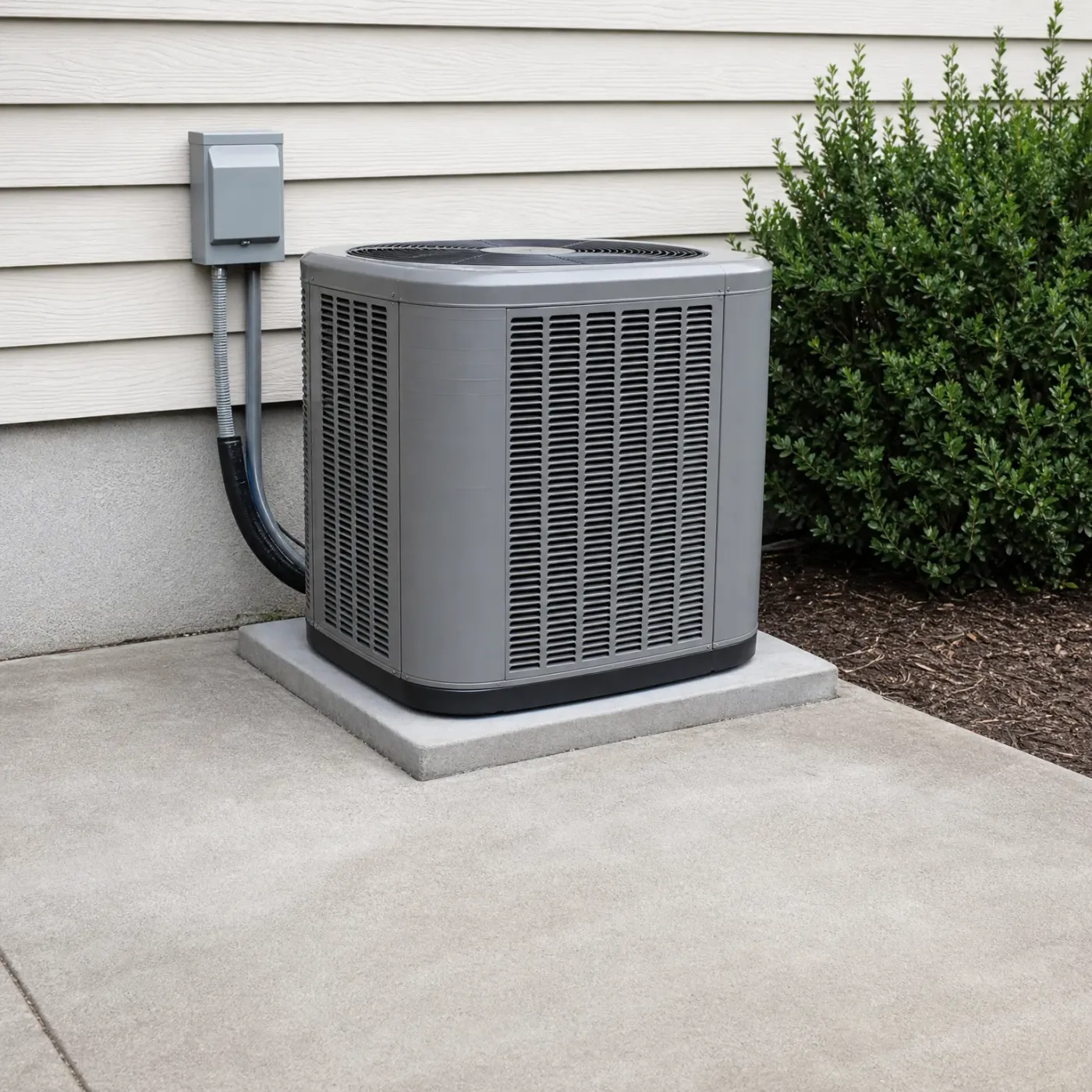
Clean and clear
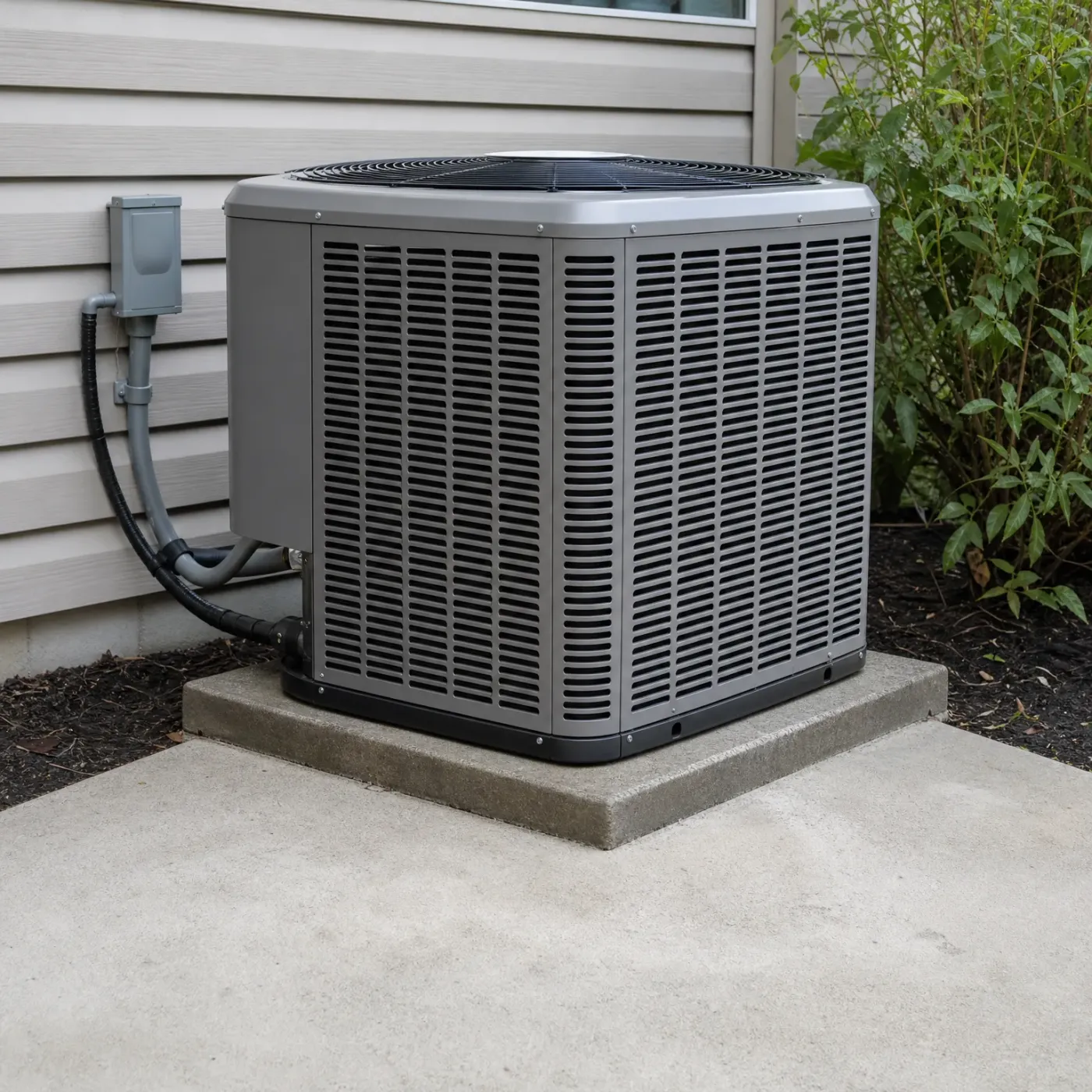
This is what a condenser should look like year round. Air moves freely through the fins, the coil sheds heat the way it's built to, and the unit isn't working any harder than it has to on a 95 degree afternoon.
 Get my match
A local pro who services air conditioners gets in touch about the tune-up.
Tennessee summers get sticky early and stay that way into September. Your air conditioner is going to run long hours for months, and the time to find out something's wrong with it is before that stretch starts, not during the first 95 degree week when every contractor's phone is ringing.
Getting ready means having someone check the refrigerant charge, the condenser coil, the electrical connections, and the airflow through your ducts before the heat sets in. A unit that's low on charge or caked with dirt on the coil will run longer to do the same job, and in a state where summers run long, that adds up over the months.
Finding someone to do that check is its own chore. You can spend an evening searching for AC maintenance near you, calling a handful of companies, explaining the same thing about your system to each one, then sitting with a stack of quotes trying to tell them apart. Most homeowners don't have time for that in April, let alone in July when the unit's already struggling.
This page skips that part. Tell it a little about your system and your place, and it matches you with a contractor who handles maintenance calls like yours, in your part of Tennessee. That contractor reaches out to you directly. No cold-calling companies, no repeating your situation over and over, no guessing which quote is fair.
What that contractor finds when they look at your system, and what they recommend, is between you and them. What this page does is get you to that conversation without the usual legwork, so you can spend less time hunting for help and more time making sure your AC is ready before the heat really sets in.
Getting your AC ready for summer means having it checked and serviced before the heat sets in, not after it fails. A technician cleans the condenser coil, checks the refrigerant charge, tests the capacitor and contactor, and makes sure the system is pulling the right amount of current. Humidity is what makes this matter here. Tennessee summers don't just run hot, they run wet, and an AC that's low on refrigerant or working with a dirty coil has to run longer to pull that moisture out of the air. That extra runtime is what wears out a capacitor or a motor before its time. Catching a weak part in April costs you a service call. The same part failing in July costs you a week without cooling while every other AC in the county is also down, and every contractor is booked out. The point of doing this now is timing, not urgency.
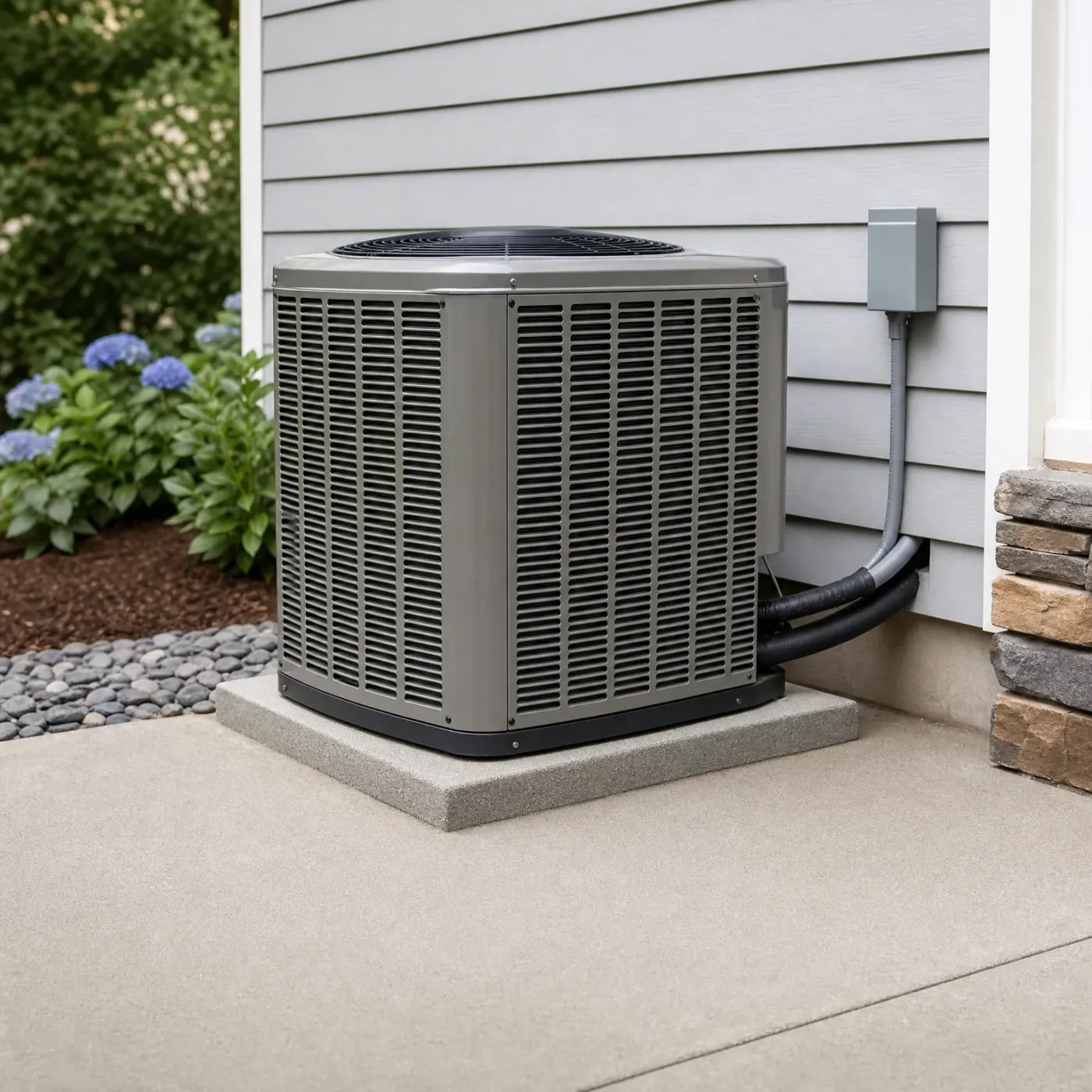
Your outdoor unit is doing one job: moving heat from inside your house to the air outside. Refrigerant carries that heat to the condenser coil, and the fan blows outside air across it to carry the heat away. When the coil is clogged with dirt or pollen, that heat has nowhere to go, so the compressor has to work longer to get the same result. That longer runtime is what shows up on your electric bill come July. A low refrigerant charge causes a different problem. The air at the vent can still feel cool while the system pulls very little heat out of the house, and the compressor runs hotter than it should the whole time. None of this starts at the compressor, though. Every cooling cycle starts with the contactor sending power to the outdoor unit, and the capacitor giving the compressor and fan motor the jolt they need to start turning. Contacts wear a little each time they close, and a capacitor that's gone weak can leave the outdoor unit humming without the fan or compressor ever starting.




You could spend an afternoon calling around, telling one company after another what your unit sounds like and when it last ran fine, then waiting on quotes that come back on different days with different numbers. Or you could answer a few questions once and have a contractor who works on AC systems in your part of Tennessee reach out to you. Either way, the coil still needs cleaning, the charge still needs checking, and that's real work for someone to do at your house. What you're buying back is the part before any of that starts: the searching, the repeating yourself, the sorting through who actually answers the phone. Tennessee gives you a window before the heat really sets in. Hand off the finding-someone part now, while there's still time to get on a schedule before your AC is running flat out every afternoon through September.
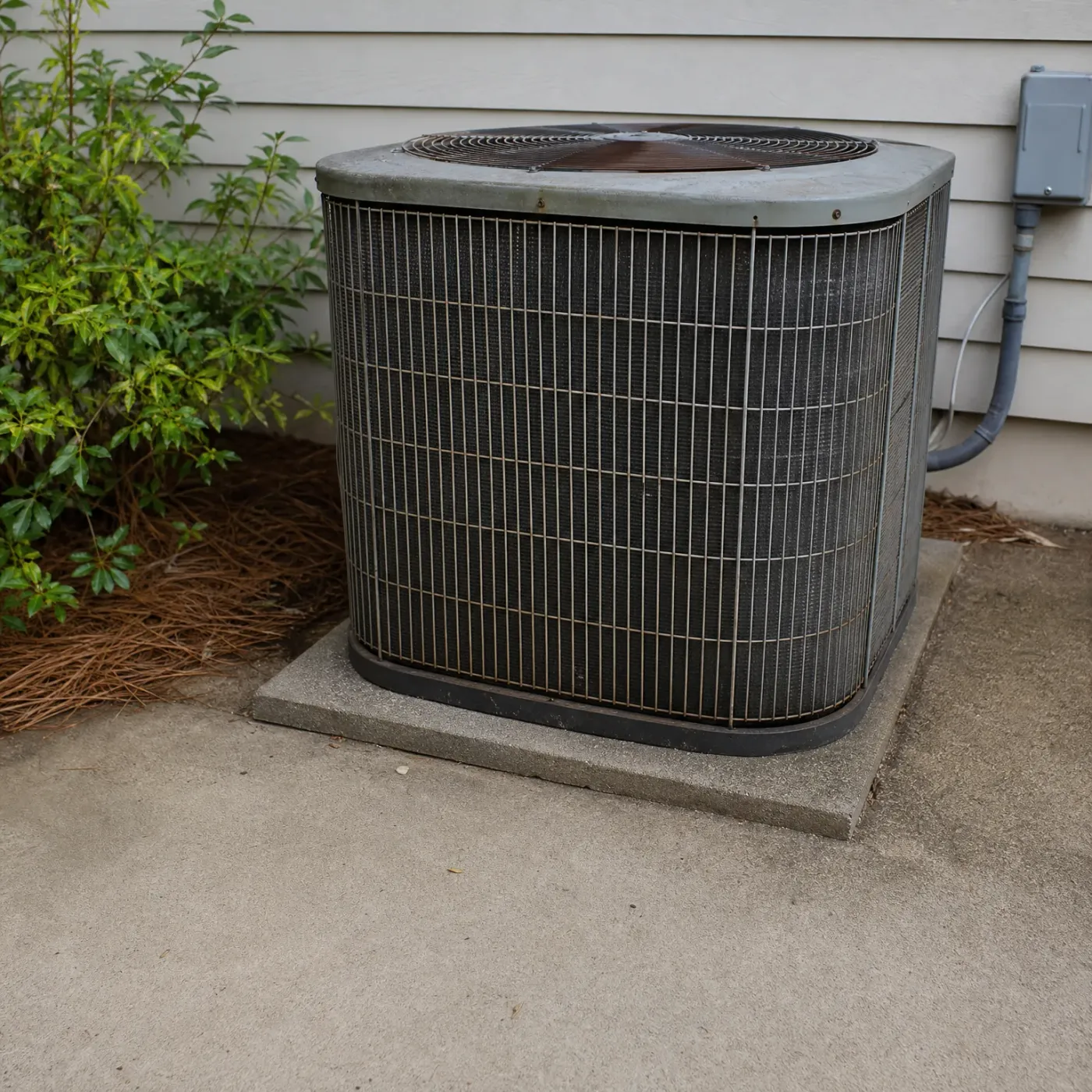
A condenser coil caked with dirt or pollen can't give up heat the way a clean one does, so the compressor runs longer to reach the same temperature inside. That extra run time shows up on your power bill every month from April through September. It also means the compressor spends more hours under load, which is wear that adds up over the years you own the unit. Cheap power in Tennessee softens the bill some, but it doesn't change how hard the compressor has to work to push cooling through a dirty coil. A technician washing that coil out before the heat sets in is restoring the airflow the system was built to move, not adding anything extra.
The capacitor gives the compressor and fan motor the jolt they need to start, and a weak one still gets the job done on a cool March day but starts failing on the hottest afternoons, right when your AC is working hardest and you need it most. That's why a spring check catches a capacitor a repair call in July would miss. The same goes for the refrigerant charge. A system low on refrigerant cools fine for short stretches but falls behind once it has to run for hours straight against a 95 degree afternoon, which is exactly what a Tennessee summer asks of it for months at a time.
A technician cuts power to the outdoor unit before touching anything
The condenser coil gets washed clean of dirt and pollen buildup
Refrigerant lines get checked for the correct charge
The capacitor and contactor get tested under load
Go stand by the outdoor unit for a minute. If it's making a hum or a click but the fan isn't turning, or if it cycles on and off every few minutes instead of running a steady stretch, that's worth noting. Inside, check if some rooms feel warmer than others, or if the air coming out of the vents doesn't feel as cold as it used to. A system low on refrigerant or running with a dirty coil will keep working, just harder, so you may not see a failure. You'll see it instead in a power bill that climbs faster than the heat outside explains, and in a compressor that wears out sooner than it should.

Tennessee's summer air carries a dew point that averages 66°F across June, July and August, according to NOAA climate data. That's heavy, sticky air, and your air conditioner has to pull moisture out of it before the house feels cool at all. That's on top of knocking down the temperature. On a muggy stretch you'll notice the system running longer between cycles, and the air coming out of the vents won't feel as dry or as cold as it did in a milder month. A unit that's clean and fully charged handles that load. One that isn't just keeps running and falls further behind.
NASA POWER T2MDEW county cells weighted by homes


At 13.22 cents per kilowatt-hour, every hour your compressor runs longer than it needs to shows up on the bill. A unit that's clean and charged right gets the house cool and shuts off. One that isn't just keeps drawing power to make up the difference.
EIA-861 2025 statewide residential average
This is what a condenser should look like year round. Air moves freely through the fins, the coil sheds heat the way it's built to, and the unit isn't working any harder than it has to on a 95 degree afternoon.
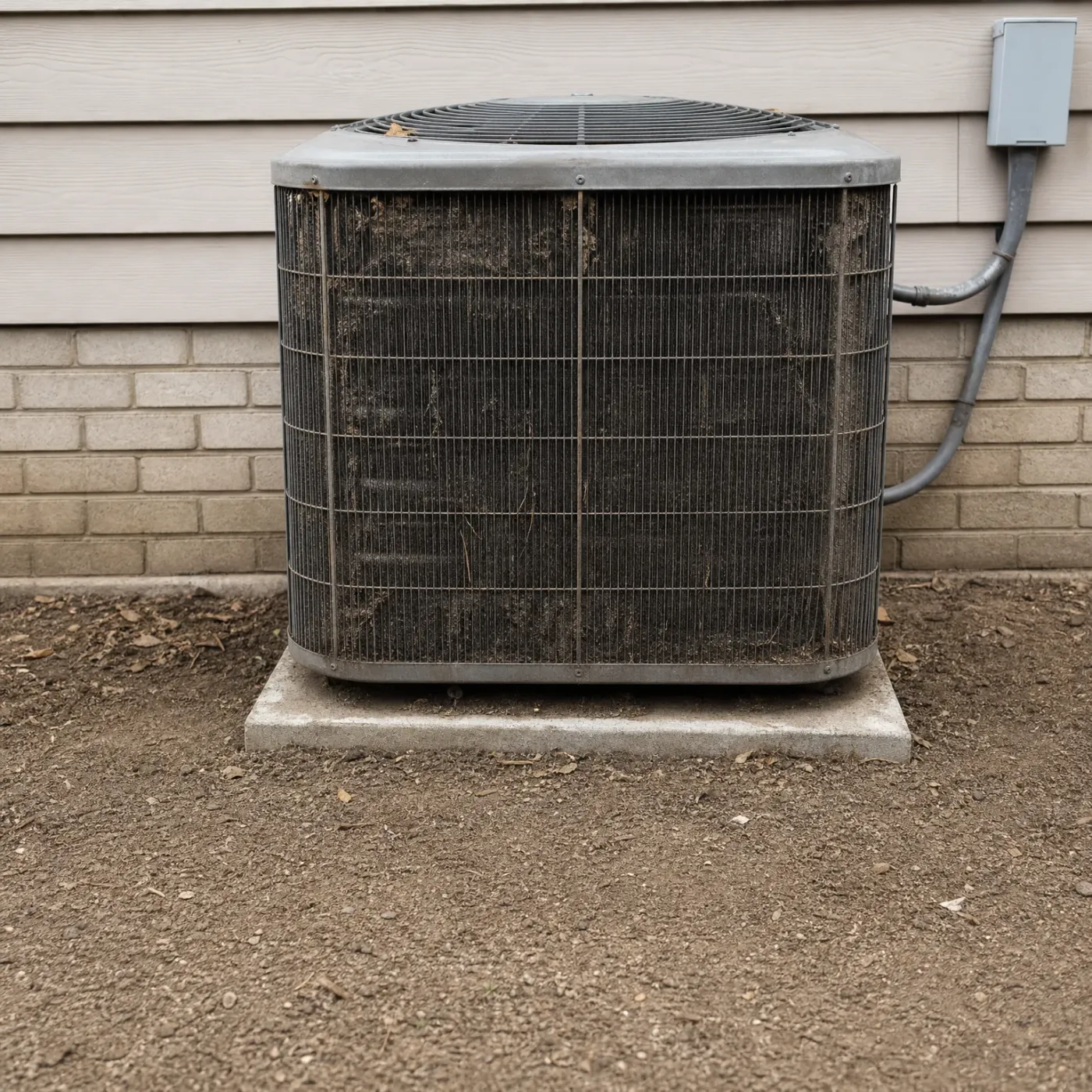
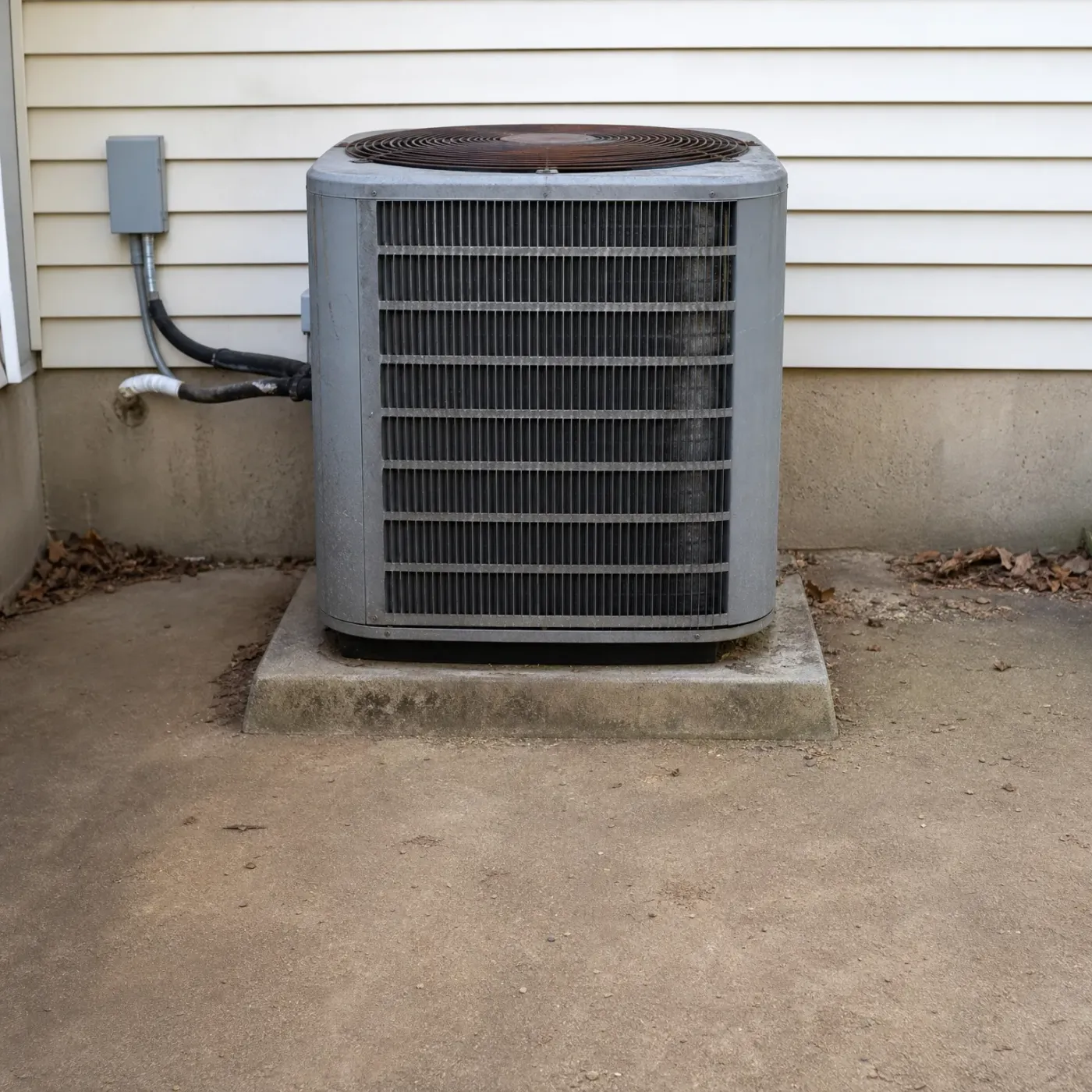
Dirt and grime have packed into the fins here, and the wire cage is caked with it. Air can barely get through, so the coil can't let go of heat, and the compressor runs longer to make up the difference.

A Tennessee summer doesn't give your air conditioner a day off, and that's exactly why it's worth having checked now rather than after it stops keeping up. A clean coil, a tested capacitor, a confirmed refrigerant charge, these are the things that decide whether your unit cools the house without running itself ragged or straining through August on a system that's already behind.
You don't have to figure out which contractor to call or spend an evening repeating the same description of your unit to three different companies. Answer a few questions once, and a contractor who handles this gets back to you directly, already knowing what you need looked at before the first real heat wave hits.


Fill out one form instead of calling around for an air conditioner tune-up.