
Signs of a bad AC capacitor in Tennessee

Step 1 of 3: Equipment

A bad AC capacitor usually shows up as an outdoor unit that hums but the fan won't spin, or an air conditioner that won't start at all and just clicks. Sometimes the fan starts if you give it a push with a stick, which is a clear sign the capacitor has weakened. You might also notice the air isn't as cold as it should be, or the system shuts off on its own after running a few minutes. The capacitor stores the charge that gets the compressor and fan motor moving, and heat wears it down faster than almost anything else. In Tennessee, where the unit runs hard through sticky summers, that wear adds up over the years. A failing capacitor doesn't usually fix itself and the strain can spread to the compressor if it runs too long in that state. If your system is doing any of this, it's worth having someone look at the capacitor before it takes something bigger with it.


A smiling man in a dark navy sweater sits on a light sofa in a living room, with a glass bowl of popcorn on a wooden coffee table and bookshelves behind him.
A smiling man in a dark green sweater sits on a tan leather sofa in a dimly lit living room, with a bowl of popcorn in the foreground and a kitchen area blurred behind him.
A smiling middle-aged man in a dark shirt sits on a gray sofa in a living room, with a bowl of popcorn on a side table and shelves, a window and kitchen area behind him.
A smiling bearded man in a dark gray t-shirt sits on a gray couch in a living room, with a large glass bowl of popcorn on a wooden table in the foreground.

Capacitor or Something Else

Capacitor Problem

  • The outdoor fan doesn't spin on its own, but a push with a stick gets it going and it runs fine after that.
  • You hear a steady hum from the outdoor unit while the fan sits still.
  • The air conditioner starts, runs for a few minutes, then shuts off on its own and cycles like that over and over.
  • The outdoor unit feels warm or shows swelling or a bulge on the top of the capacitor itself.
  • The air handler inside runs but the outdoor unit never kicks on, so no cool air comes through the vents.
  • Turning the thermostat down low gets a click from the outdoor unit but nothing else happens.

Bigger Problem

  • The breaker trips every time the air conditioner tries to start, even after you reset it.
  • The compressor runs but the house never cools down, even after hours of running.
  • You smell something burnt near the outdoor unit or the indoor air handler.
  • Ice builds up on the refrigerant line or the indoor coil while the system runs.
  • The outdoor unit makes a loud grinding or screeching noise instead of a hum.
  • Water pools around the indoor unit or drips from the ceiling near a vent.
A woman with dark hair in a bun reclines on a sofa with her eyes closed, wrapped in a cream fleece blanket, a closed blue hardcover book resting in front of her, with a lit lamp and a vase of dried flowers in the background.
A smiling bearded man in a navy sweater sits at a candlelit dinner table with a glass of red wine, a bowl of salad, and plates of food in the foreground.

One part, most no-start calls

A failed capacitor is behind most AC units that hum or click but won't start. It's a small, specific part, and a contractor can test it on the spot.

Hand it off

Humidity raises the stakes

With Tennessee summers running sticky, a dead capacitor means the fan and compressor stop fighting that heat right away. A contractor can get it running again.

Hand it off

Why does your AC hum but the fan won't turn?

You'll likely notice it in the yard first. The outdoor unit is running, you can hear it, but the fan blades aren't moving and the air coming through the vents inside is warm or barely moving. Maybe it clicks and tries to start every few minutes and gives up. The house holds onto heat fast once this happens, and with Tennessee humidity, a few hours without cooling is enough to make rooms feel damp and heavy. Left alone, the compressor can end up straining to start without the capacitor's help, and that's a far more expensive part to replace than the one causing the trouble now.
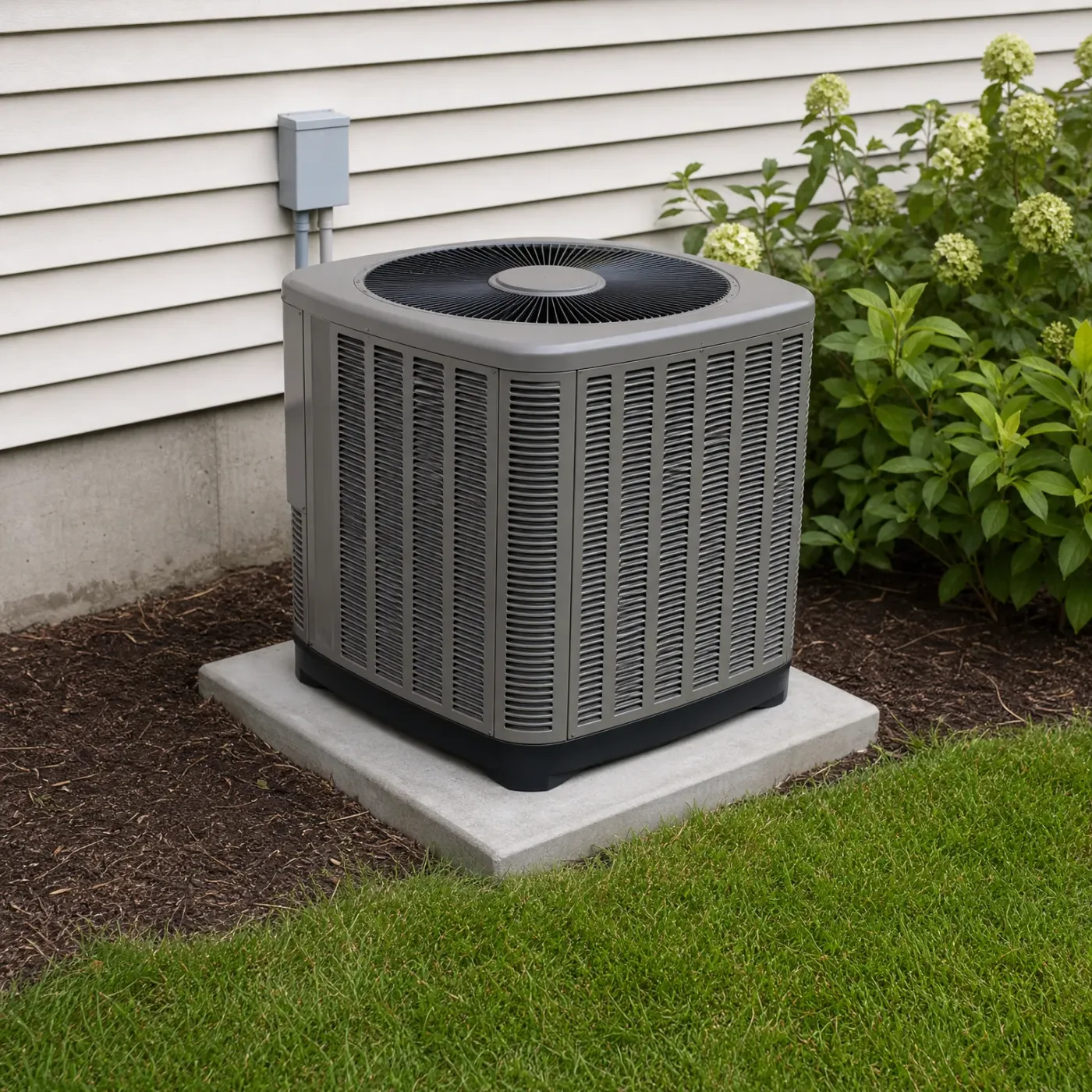
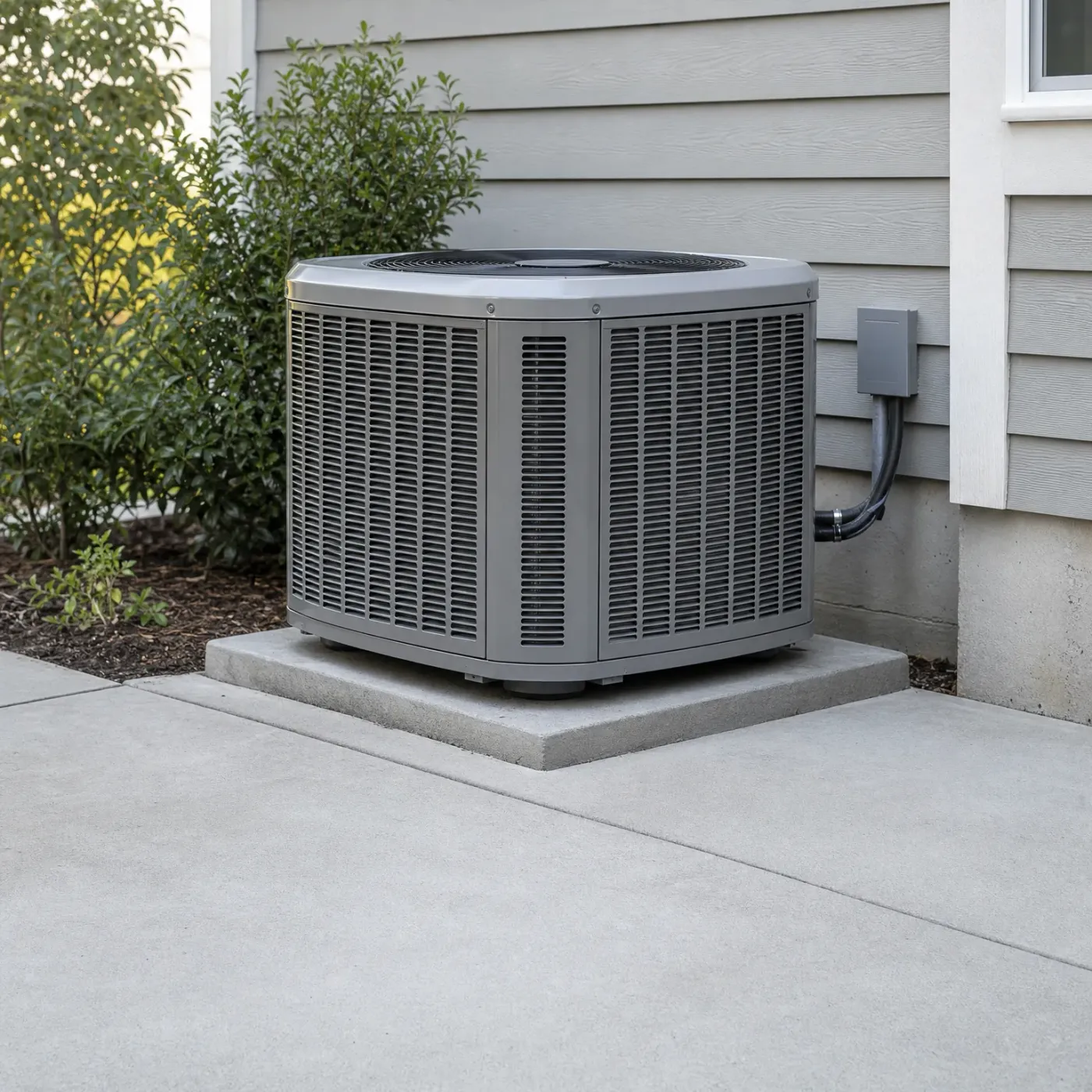
A gray outdoor air conditioner condenser unit on a concrete pad beside a house with horizontal vinyl siding, surrounded by mulch, flowering shrubs, and lawn.

Unit running clean

This is what the outdoor unit should look like: clear of debris, fan spinning, coil fins open to the air. You walk by and hear a normal running hum, the fan turning, cool air coming through the vents inside.
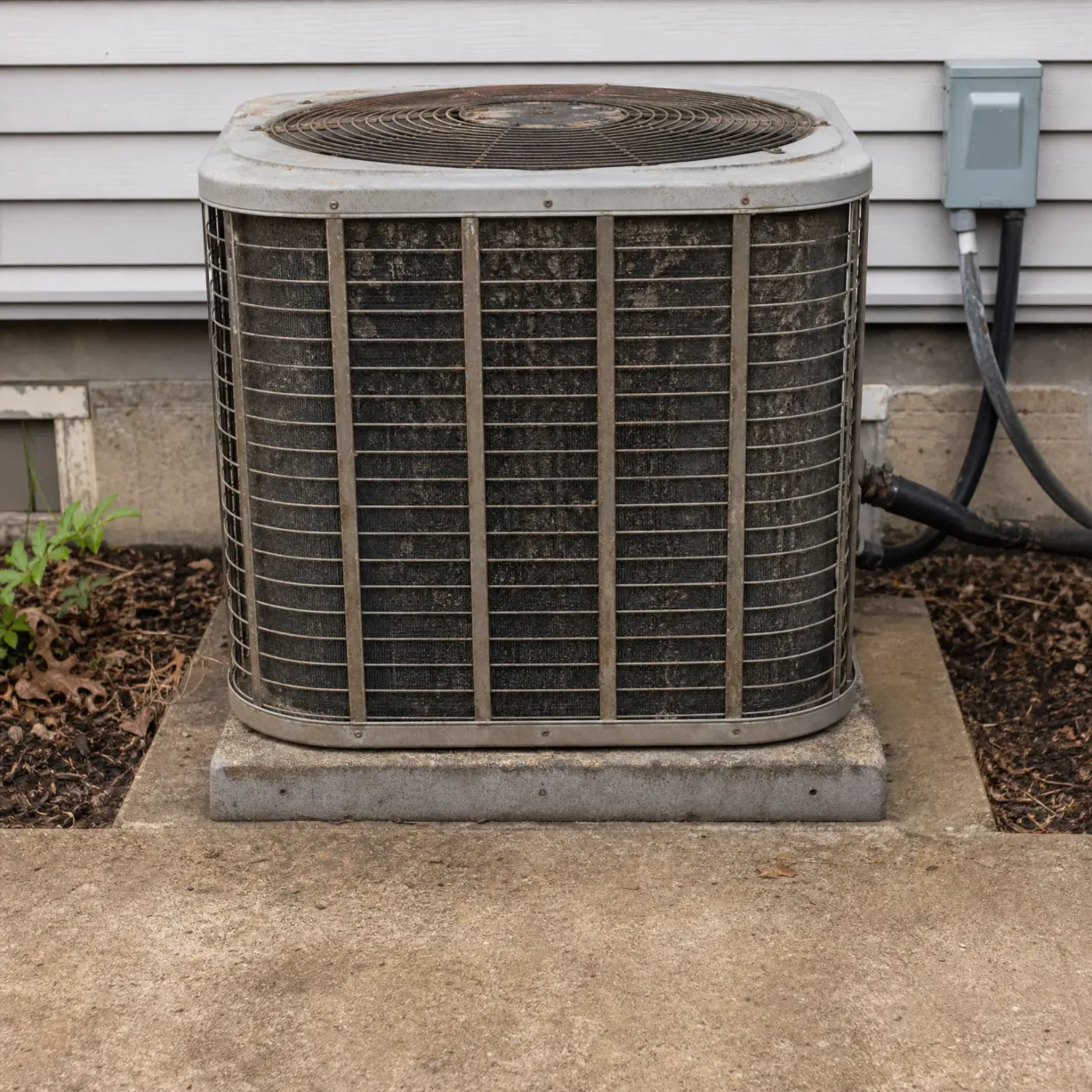
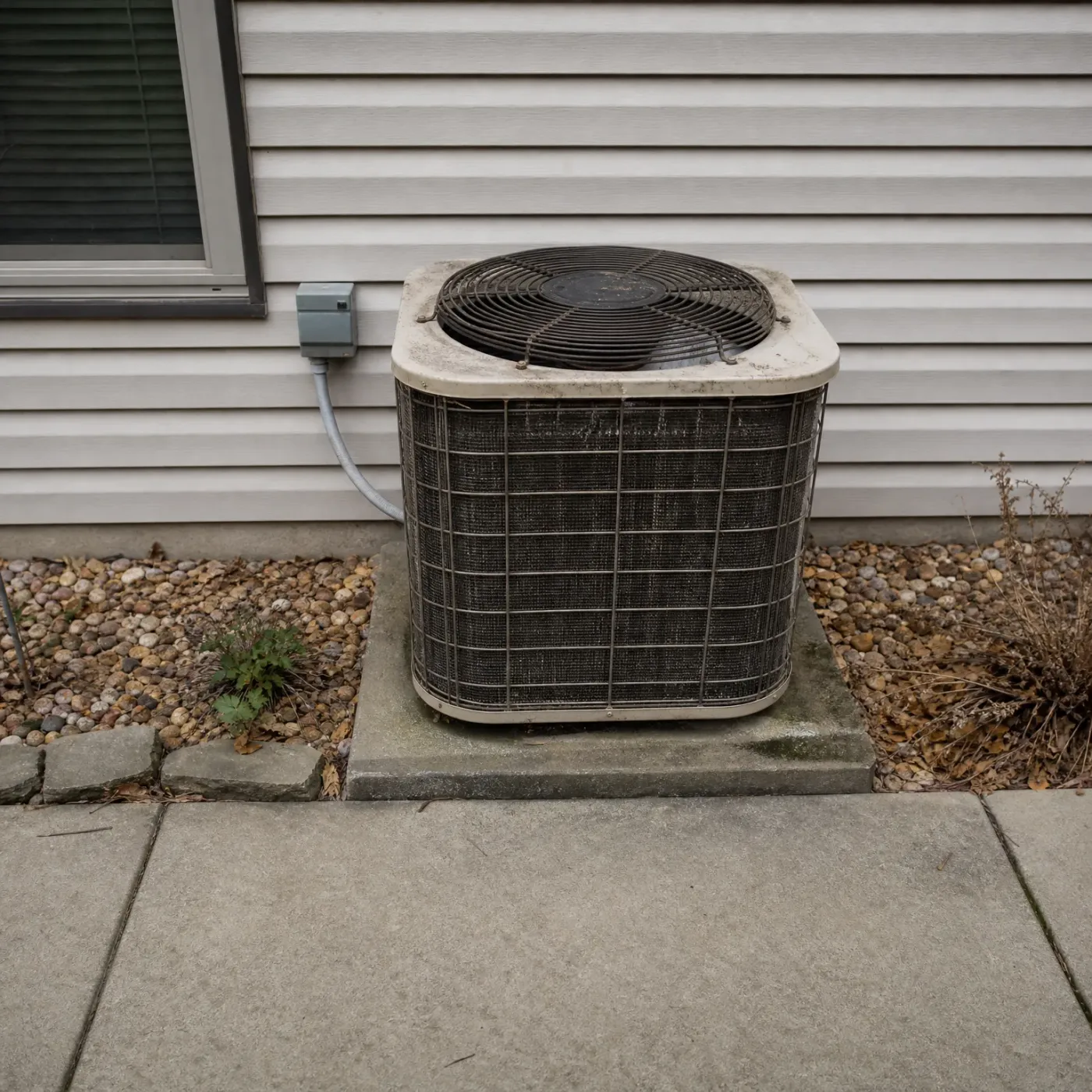
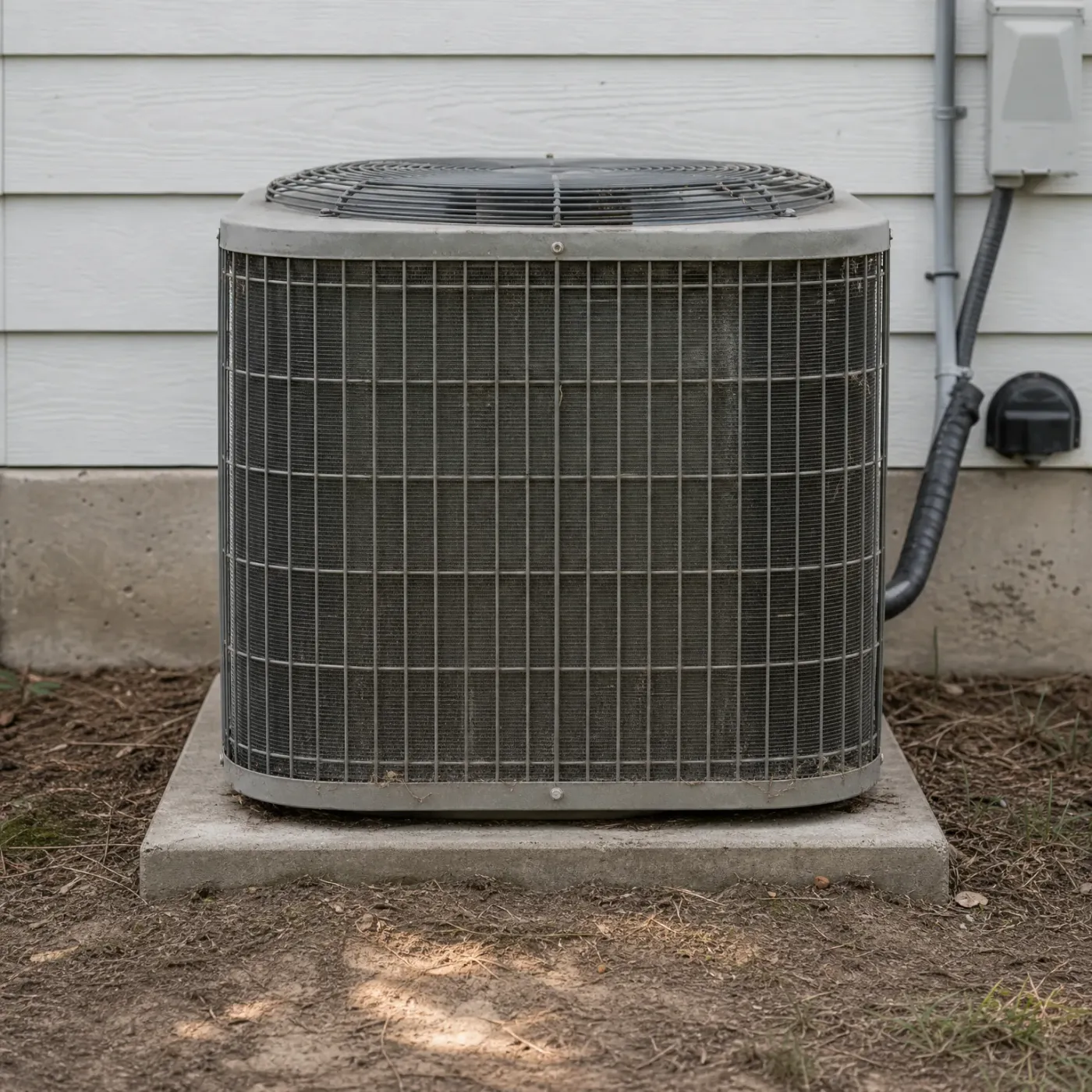
A weathered outdoor air conditioning condenser unit on a concrete pad beside a house with light horizontal siding, an electrical disconnect box and conduit on the wall, and mulched soil on either side.

Unit in trouble

Dirt and grime caked on the coil fins makes the unit work harder to push heat outside, and that extra strain is hard on a weak capacitor. If yours is this dirty and the fan isn't turning, don't reach in yourself. A contractor can clean the coil and test the capacitor in the same visit.

Power costs 13.22 cents per kilowatt-hour statewide

At 13.22 cents per kilowatt-hour, a struggling capacitor costs you more than a bad call. When the fan can't spin, the compressor still draws power trying to start, so you're paying for a unit that isn't cooling your house at all.

EIA-861 2025 statewide residential average
An outdoor air conditioning condenser unit on a concrete pad beside a house with horizontal lap siding, with a conduit and electrical disconnect box on the wall at right.
Before you get your air conditioner repair
A gray outdoor air conditioner condenser unit on a concrete pad beside a house with horizontal lap siding, with a wall-mounted disconnect box and conduit to its right and shrubs to the left.
After you get your air conditioner repair

Get your air conditioner to the right pro

A capacitor doesn't get better on its own. Once it's weak enough to need a push with a stick, it's close to leaving you with a unit that won't start at all, and that's usually on the hottest afternoon, not a convenient one. Tennessee summers don't let up for long, and a house that sits at 85 degrees for a day while you figure out who to call is a rough one to be in, especially with the electricity already running through a compressor that's straining to start. You don't have to track down who's licensed, who's free this week, or who actually answers the phone. Send the request and that part of it is off your plate. A contractor who handles this kind of call gets in touch, and you go back to your day instead of spending it on hold.

  1. Power reaches the capacitor the moment the thermostat calls for cooling

  2. The capacitor sends a jolt of stored energy to start the fan motor

  3. A second winding keeps feeding the motor power to keep it running

  4. A weak capacitor can't deliver enough charge to start the motor
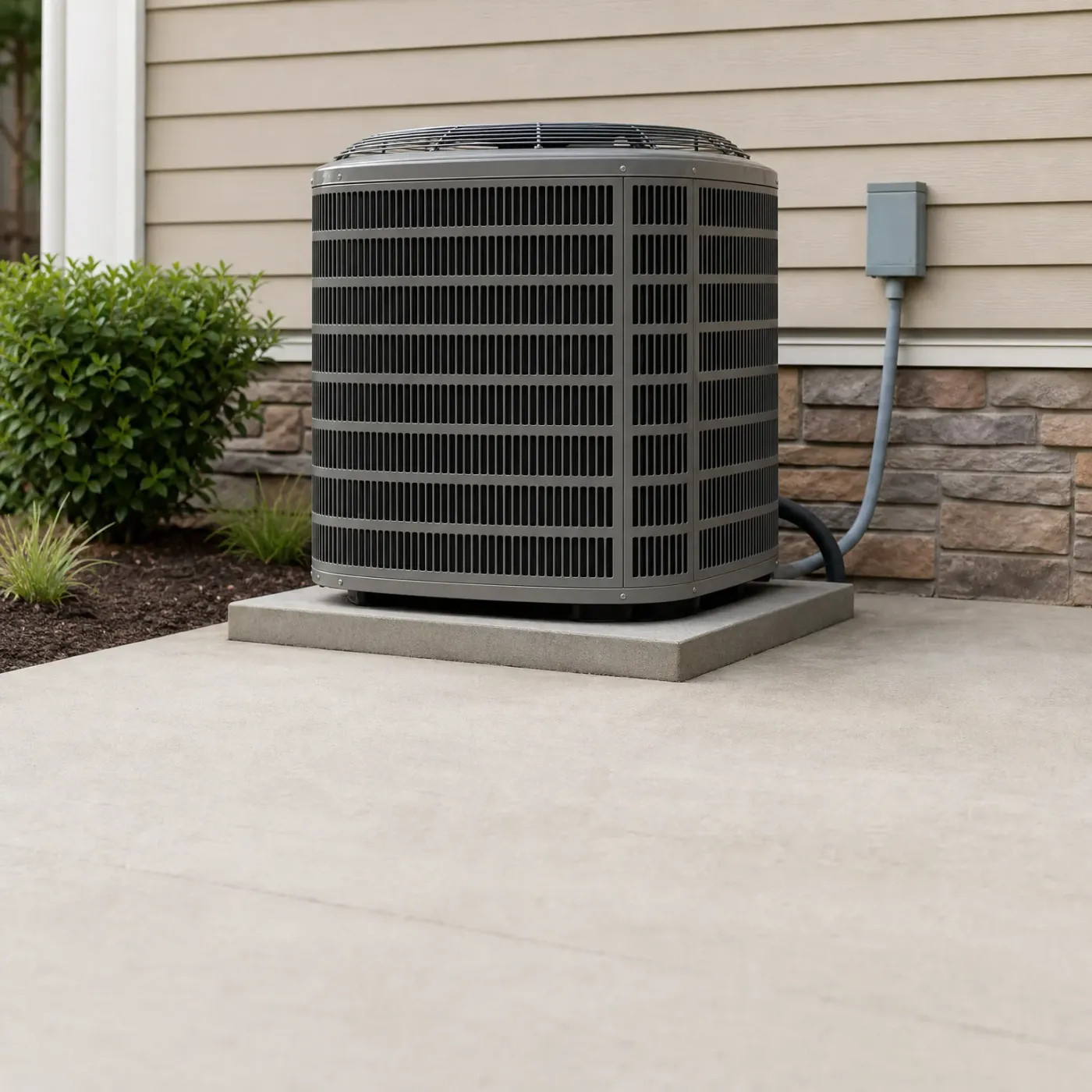
A gray outdoor air conditioning condenser unit on a concrete pad beside a house with horizontal siding and a stone veneer base, with a wall-mounted disconnect box and conduit, next to a shrub bed and a concrete patio.
A clean running unit like this starts the moment the thermostat calls, fan spinning, no hesitation, no hum before it catches.
An outdoor air conditioner condenser unit on a concrete pad beside a house with light gray vinyl siding, with a gray electrical disconnect box and conduit on the wall, gravel beds and dried plants nearby, and a concrete sidewalk in the foreground.
A neglected unit like this strains a weak capacitor further, and gravel, weeds, and age make a failing part harder to spot.

What a Bad Capacitor Tells You

  • A hum with a still fan, or clicking with no start at all, points to the capacitor before anything else.
  • A fan that spins after a push with a stick is weak now and likely to stop responding to that push soon.
  • A contractor can test the capacitor on the spot and confirm it without guessing at other parts.
  • A unit that won't start still draws power trying, so the bill runs up while the house stays warm.
  • Tennessee summers don't leave much room for a dead AC to wait a few days before someone looks at it.
  • Once you send the form, finding the right contractor is off your plate and someone reaches out to you.

A humming outdoor unit with a fan that won't turn, or one that clicks and goes nowhere, almost always comes down to the capacitor. It's a small part with one job: send the fan motor enough of a jolt to start spinning, then keep feeding it power to stay running. When it weakens, that jolt isn't enough. A push with a stick can get the fan moving for a while, but that's a part on its way out, not a part you can keep nursing along. It won't take the hint and hold steady. Meanwhile the compressor still pulls power trying to start every time the thermostat calls, so you're paying for a unit doing nothing but sitting warm in the yard. In a Tennessee summer, that's not a problem that waits well. A contractor can test the capacitor directly, confirm it's the part at fault, and rule out anything else in a few minutes rather than guessing. You don't have to figure out which symptom means what or track down who to call first. Send the form and that search is handled for you. The weight of finding someone qualified comes off your plate, and you go back to waiting on a phone call instead of a fix you have to chase down yourself.


A lit ceramic table lamp with a linen shade sits on a round wooden side table with a small vase of greenery and a dark shallow bowl, beside a beige upholstered sofa with a cushion and knit throw, below a framed artwork on a pale wall.
Corner of a beige linen sofa with a large woven cushion and a fringed knit throw, beside a potted leafy tree in a woven basket against a neutral wall.
Sunlit interior corner with a wood-framed armchair with beige cushions and a striped pillow, a leafy plant in a tall ceramic pot, a window with wood sill showing green foliage outside, and dark wood flooring.
A lit black path light beside a stone walkway leading to a dark front door of a white clapboard house, with shrubs and flowering plants in the bed at dusk.
A covered porch at dusk with a wooden front door, a lit lantern wall sconce on gray horizontal siding, a black rocking chair with a cream throw, a potted white flowering plant, a coir doormat, and a window showing a lit interior lamp.

The right pro for this job

After this form, you can stop searching for an air conditioner pro.

Send my request

There's no charge for the request.