Profile view of a bearded man wearing a dark baseball cap and a dark gray T-shirt against a plain off-white background.

The R-410A phase-out and new AC units in Tennessee

Step 1 of 3: Equipment

R-410A, the refrigerant in most central air conditioners installed over the last twenty years, is being phased out under federal rules. As of 2025, new AC units can no longer be made with it. Manufacturers have switched to R-32 and R-454B, refrigerants that do the same job but don't deplete the ozone layer or trap as much heat if they leak into the air. If your current AC runs on R-410A, it can still be serviced and recharged for now, since the phase-out affects new equipment, not what's already running in your home. But if your unit fails and needs a full replacement, the new system installed will use one of these newer refrigerants. In Tennessee, where the AC runs hard through long, sticky summers, that means replacement parts and refrigerant for older R-410A systems will likely get harder to find and more expensive as the supply shrinks.

A bearded man in a dark navy sweater over a collared shirt smiles and looks off to the side while seated at a dinner table with a glass of red wine, a lit candle, and a plate of food in the foreground of a dimly lit room.
A woman in a dark gray sweater reclines on a couch with her eyes closed and a knit blanket over her lap, an open book resting face-down in front of her, with a lit table lamp and shelving blurred in the background.

Your current system isn't affected. An R-410A air conditioner already installed keeps running and can still be serviced and recharged, since the phase-out applies to new equipment, not what's in the ground.

The change matters when that system needs to be replaced. A new unit installed now comes with R-32 or R-454B, and a Tennessee contractor who installs these year-round knows how they handle in the heat here.

A woman in a cream sweater with her hair in a bun laughs while seated at a stone counter holding a glass of red wine, in a dimly lit interior with a sofa, houseplants and a large window at night.
A woman with long dark hair in a cream knit sweater laughs while looking off to the side, seated in front of a dimly lit kitchen with an island, stools, open shelving and a potted plant, with a glass of red wine in the foreground.
A smiling woman with long dark wavy hair in a light knit sweater sits at a marble counter with a glass of red wine, with a dimly lit living room and kitchen in the background.
A smiling woman with long wavy brown hair in a beige sweater sits at a white marble counter with a glass of red wine, with a living room, dining table and kitchen cabinets behind her.
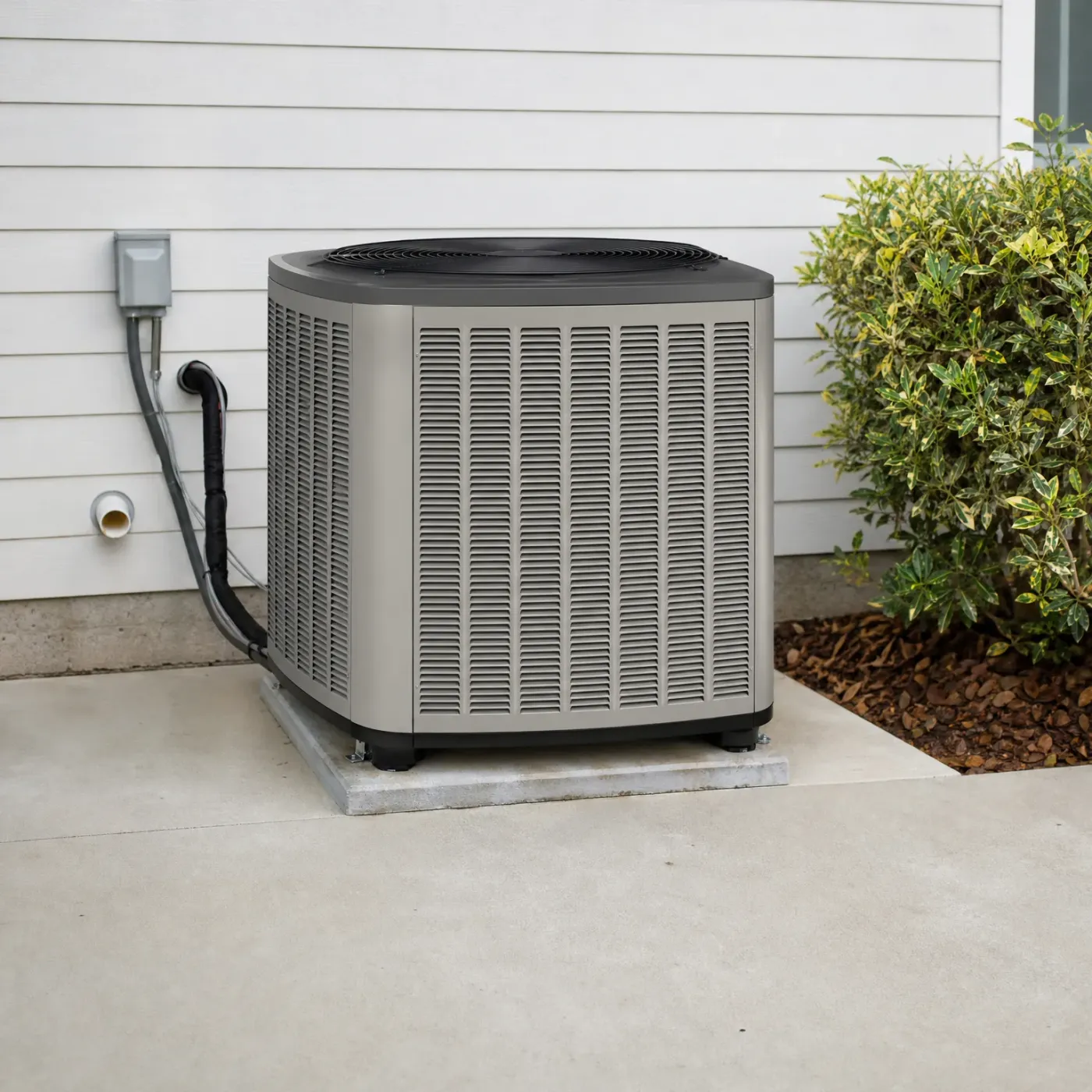
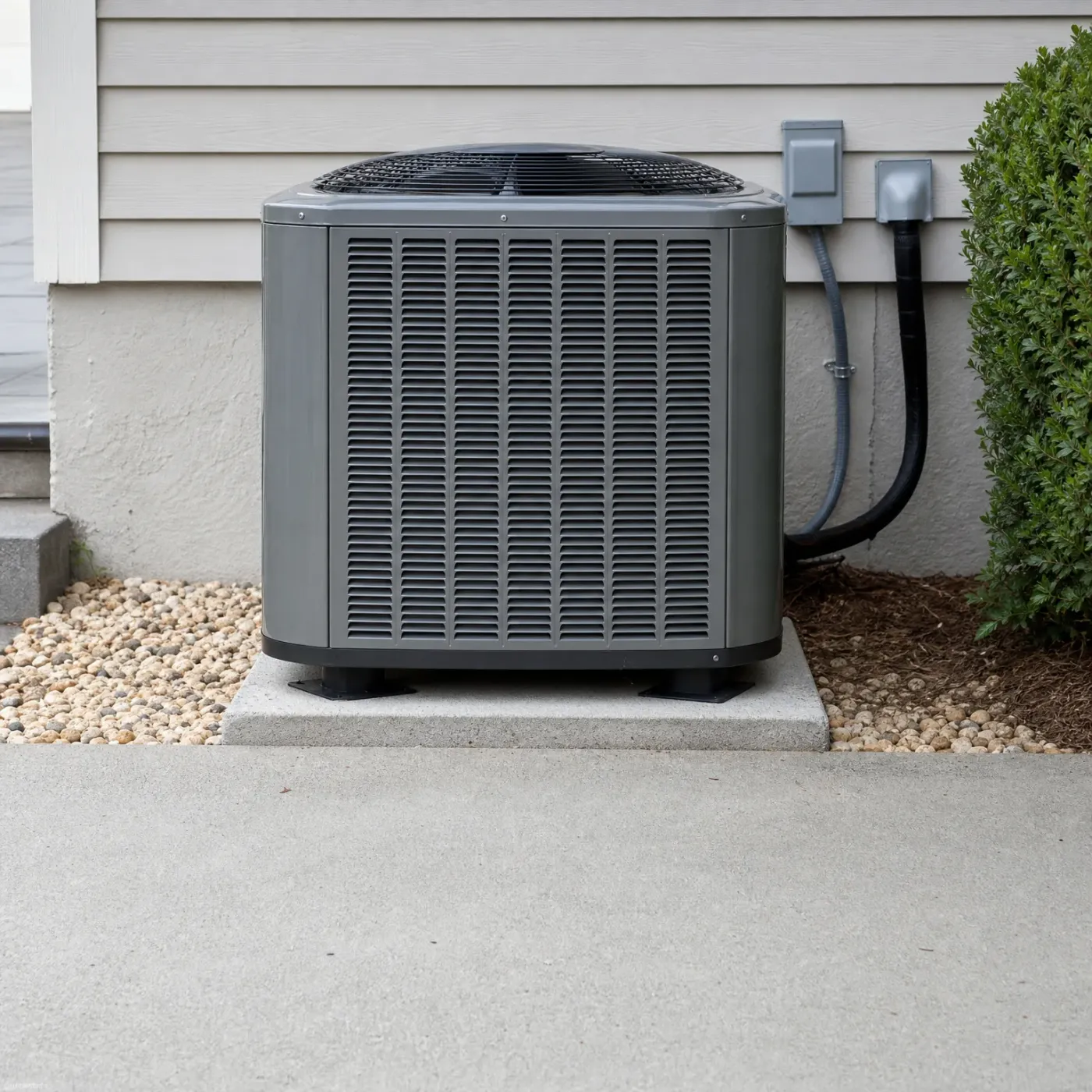
An outdoor air conditioning condenser unit on a concrete pad beside a house with white horizontal lap siding, with an electrical disconnect box and insulated refrigerant line on the wall and a shrub over mulch to the right.

A system still in its years

If your condenser looks like this, running steady on its pad with the lines intact and the disconnect box secure, it's still working with R-410A that's available and serviceable. There's no reason tied to the phase-out to touch it yet.

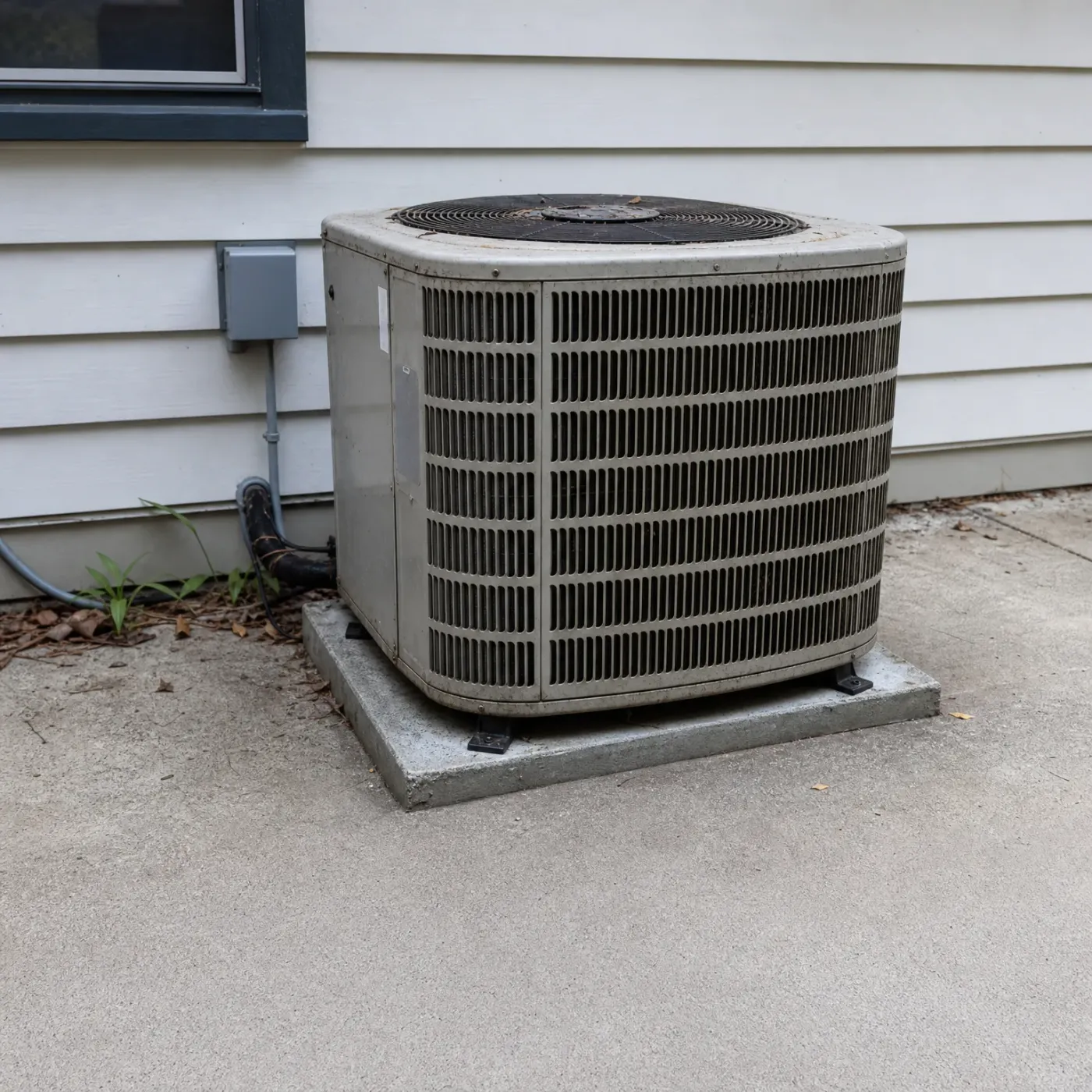
An outdoor air conditioner condenser unit on a concrete pad beside a house with light horizontal lap siding, with an electrical disconnect box and conduit on the wall behind it.

A system near the end of its run

Weathering like this on the cabinet usually means the unit has logged a lot of summers in Tennessee heat. When a system this age fails, replacing it means moving to R-32 or R-454B, since R-410A equipment is no longer made.

A wooden table in the foreground holds a closed laptop and a ceramic mug of coffee, with a spindle-back wooden chair behind it, a beige wall with paneled wainscoting, a window at left, and a kitchen counter with a cutting board, bowl of fruit and greenery at right.

What this means if your system goes down this summer

If your condenser fails in July, the replacement unit on the truck will be a new refrigerant system, not a direct swap for what you have now. Tennessee summers don't leave room to wait on parts or a slow decision. A failed AC in August with the house holding heat is not the time to start learning what R-32 is or which licensed installers near you have worked with it.

That's the part this page can take off your plate. Instead of calling around to find out who actually installs the new systems, explaining your situation to five different companies, and sorting through quotes that all use different terms, you get matched with one local contractor who already does this work and knows which brands and models are available now. No flood of calls, no repeating yourself. Just someone who shows up knowing what they're looking at.

Interior corner of a dining room with a round wooden table, a ceramic vase holding olive branches, a dark spindle-back chair near a curtained window, and a sideboard with a lamp against beige walls.
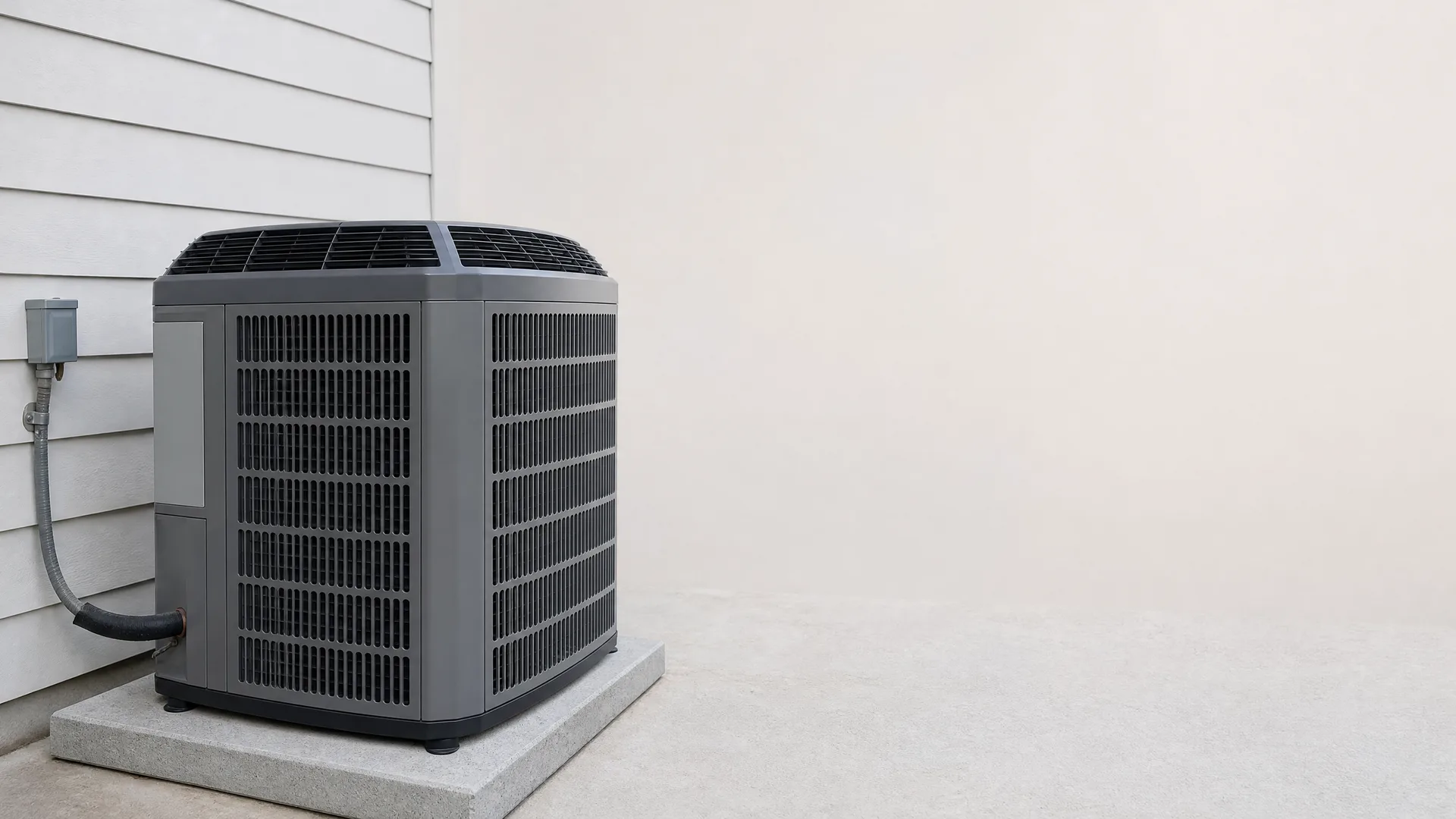
A gray outdoor air conditioner condenser unit on a concrete pad beside a house with horizontal siding, with an electrical disconnect box and conduit on the wall behind it.

Repairing the system you have

A technician can still find R-410A, add it to a low system, or replace a failed capacitor or fan motor on the unit outside your house right now. Parts for these systems are not scarce. A local contractor who works on this equipment every week knows which failures are common on a system that's been running ten or fifteen years and can usually get you cooling again the same day, without touching anything about the refrigerant itself.

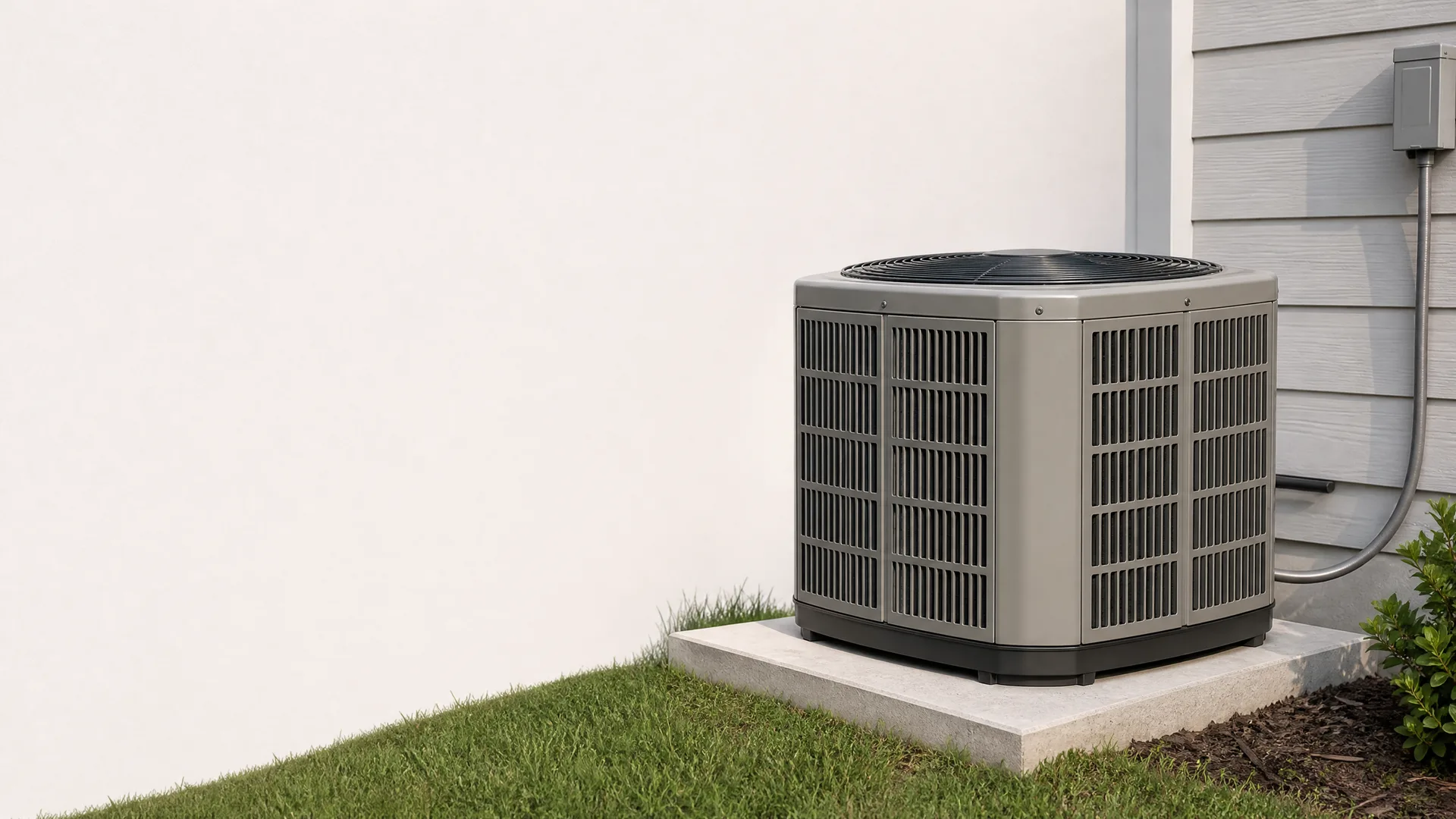
An outdoor air conditioner condenser unit on a concrete pad beside a house with horizontal lap siding, with a gray electrical disconnect box and conduit on the wall, grass in the foreground and a plain light wall at left.

Replacing it with something new

A new AC unit bought today runs on R-32 or R-454B, and it comes with its own line set, coil and sometimes a different disconnect setup than what's on your house now. That's a full installation, not a swap of one box for another. The upside is a system built for the refrigerant that's actually being made going forward, so you're not relying on a supply that gets tighter and costs more as the years pass.

Fix It Now or Replace It Ahead

Keep repairing it

  • R-410A is still made and still stocked, so a low charge or a failed capacitor gets fixed the same way it did last year.
  • You know what you have, and a contractor who services these units every summer can tell you what usually goes wrong with them.
  • Repair costs stop at the part that failed, not the whole system.
  • Nothing about the refrigerant rules forces a working unit off its pad.
  • If the compressor itself is the problem, that's a bigger repair bill on an older system, rules aside.

Replacing now

  • You pick the unit and the timing, instead of whatever happens to be on the truck the day the old one quits.
  • A new system comes with the newer refrigerant already, so there's nothing to swap out later when parts for R-410A get harder to find.
  • Installing before a breakdown means you're not without air conditioning in July while you decide.
  • A full system swap costs more upfront than a repair, with no guarantee the old one was close to failing.
  • Tennessee's electric rates make the unit's efficiency worth checking before you commit to one model over another.
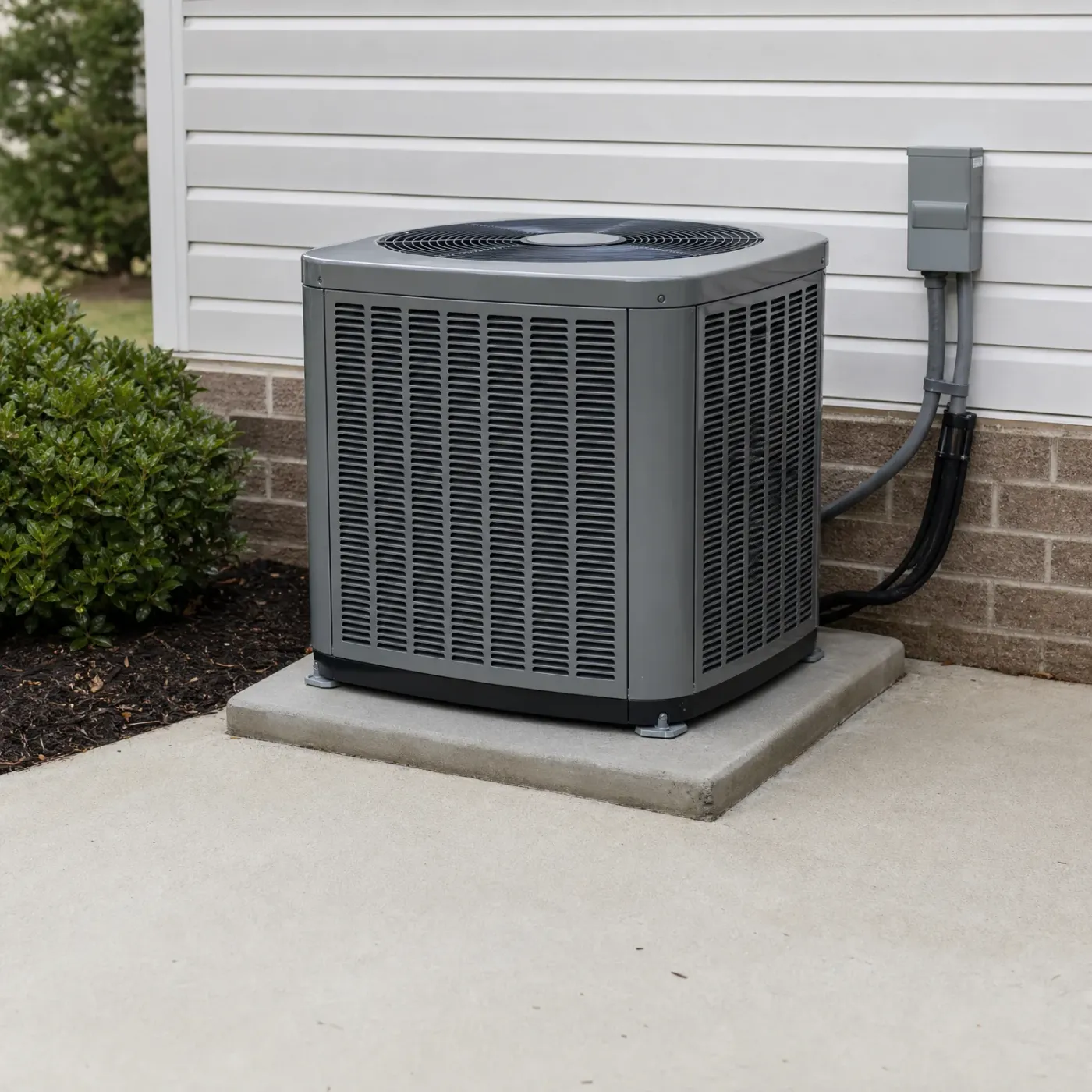
A gray outdoor air conditioner condenser unit on a concrete pad beside a house with white horizontal siding and a brick foundation, with a wall-mounted disconnect box and conduit, and a green shrub with mulch at left.

Running clean

A condenser like this, sitting steady on its pad with the lines wrapped and the disconnect box tight against the siding, is doing its job. Nothing about R-410A keeps it from working right. If it looks like this, leave it alone.

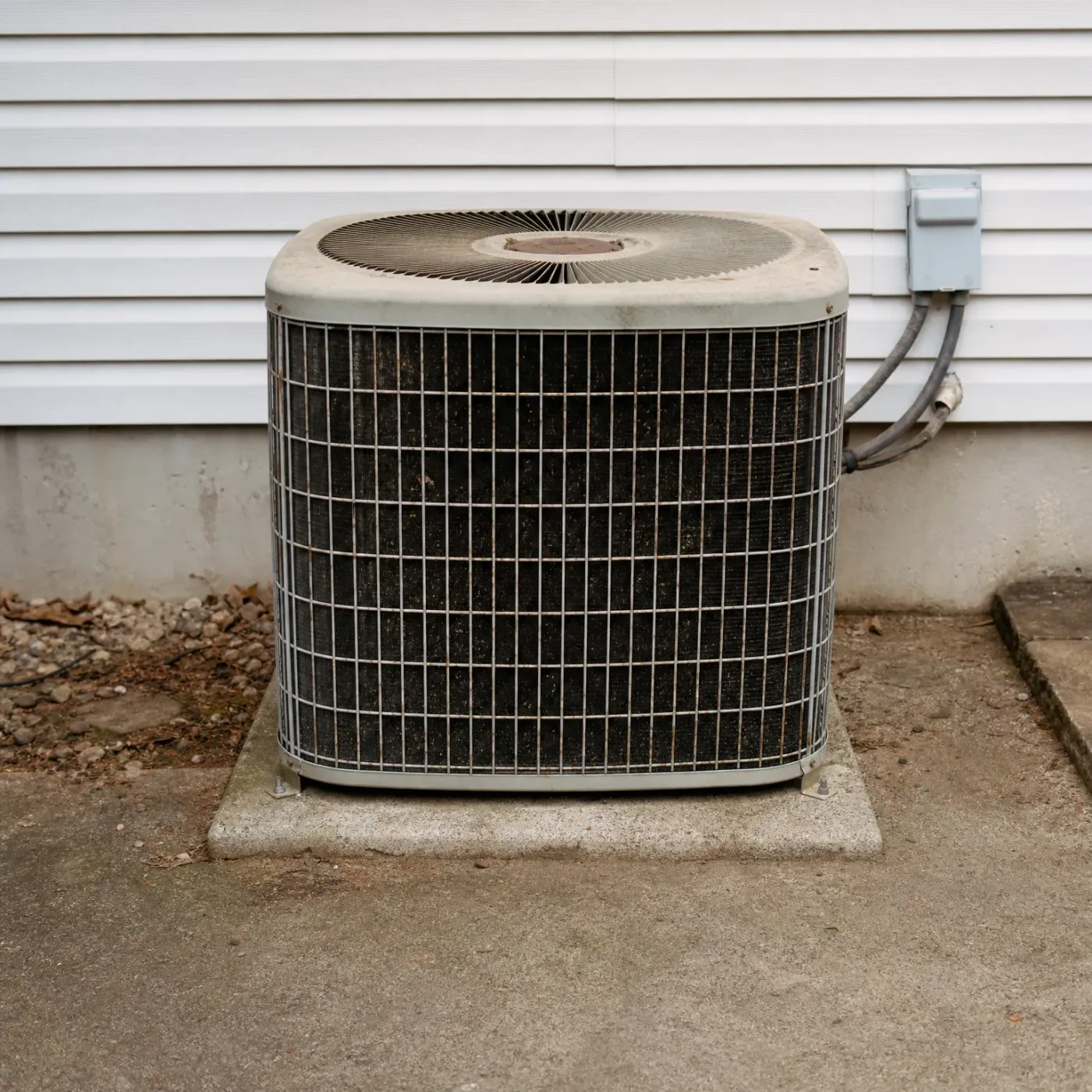
An outdoor air conditioning condenser unit on a concrete pad beside a house with white horizontal vinyl siding, with a gray electrical disconnect box and refrigerant lines on the wall behind it.

Grime and age

Dirt caked on the grille and the top cover is years of summer doing its work. It doesn't mean the unit's done, but a tech can check the charge and the contactor before a hot stretch finds the weak spot. Worth a look before July decides for you.

An outdoor air conditioning condenser unit on a concrete pad beside a house with horizontal lap siding, with an electrical disconnect box and conduit on the wall, mulch and a green shrub to the right, and a concrete walkway in the foreground.
Before you get your air conditioner installation
A gray outdoor air conditioner condenser unit on a concrete pad beside a house with horizontal siding and a stucco foundation, with a disconnect box and conduit on the wall, decorative gravel, mulch, and a shrub nearby.
After you get your air conditioner installation

Skip the search

One installer gets your project, so there's no bidding war over it.

Sending the form costs nothing.

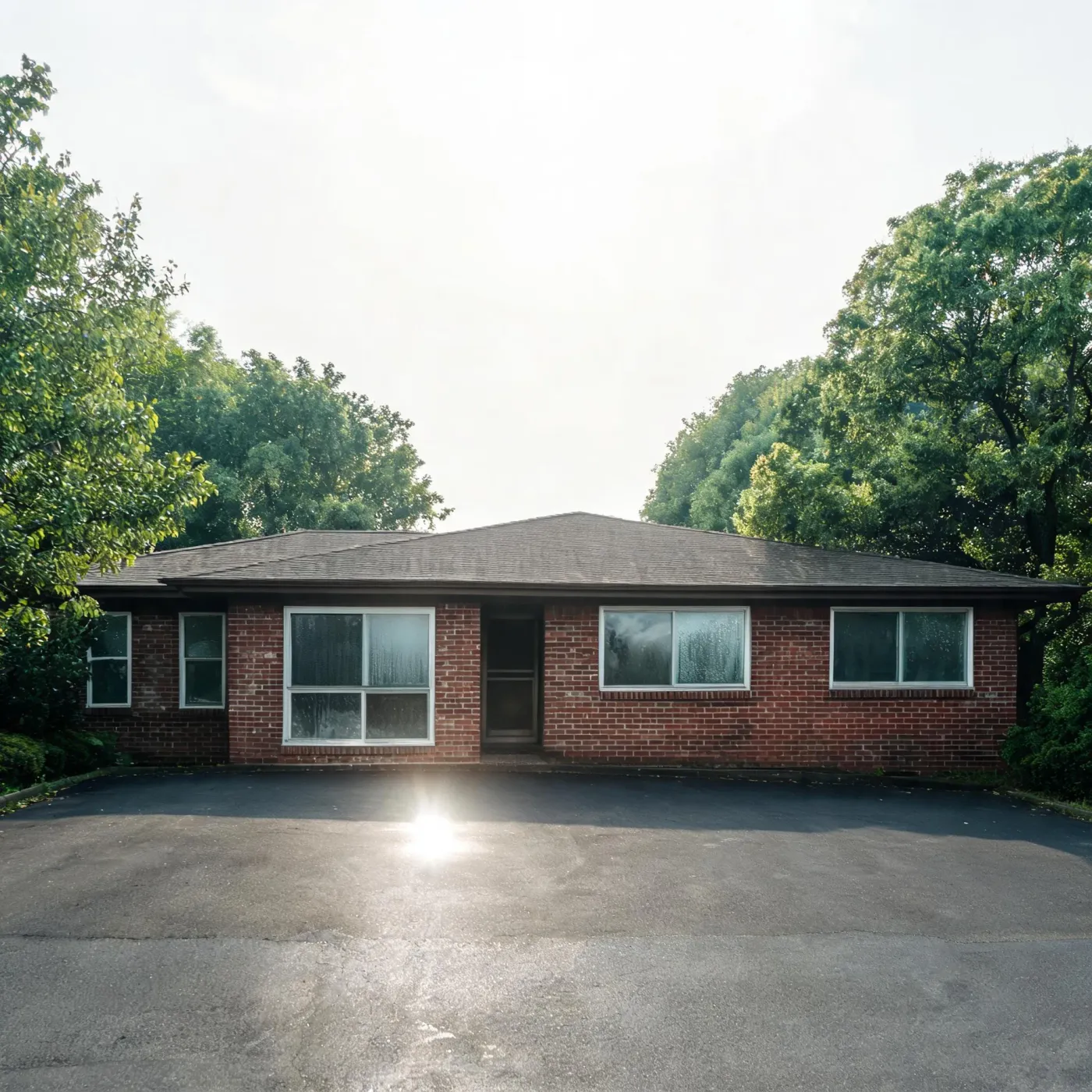
A single-story red brick building with a shingled hip roof, large windows and a recessed central entry, fronted by a wide empty asphalt parking area with sun glare, surrounded by green deciduous trees.

A dew point averaged over the summer here comes out to 66°F, figured from Tennessee weather data over June, July and August. That's the number that tells you how heavy the air feels on top of the temperature, and it's high enough that your air conditioner isn't just cooling your house, it's wringing water out of the air to keep it comfortable. That extra load runs the compressor longer on top of whatever the thermostat says, and it's why the unit outside keeps cycling well after dark on a sticky night. A system that's low on charge or losing efficiency shows it first in summers like this, when the air itself is working against it before the heat even gets involved.

NASA POWER T2MDEW county cells weighted by homes

Why does your AC seem to be working harder this year?

If your unit is running longer than it used to, cycling on again soon after it shuts off, or the air coming out of the vents feels less cold than it did a few summers back, that's worth paying attention to. You might notice the condenser outside running almost constantly on the hottest afternoons, or the indoor air staying sticky even with the system on. These are often signs of a slow refrigerant leak or a part wearing down, not the refrigerant itself going bad. Left alone through a Tennessee summer, a system working this hard can run up your power bill and put more strain on a compressor that's already stressed, raising the odds it fails on the next hot day rather than a mild one.

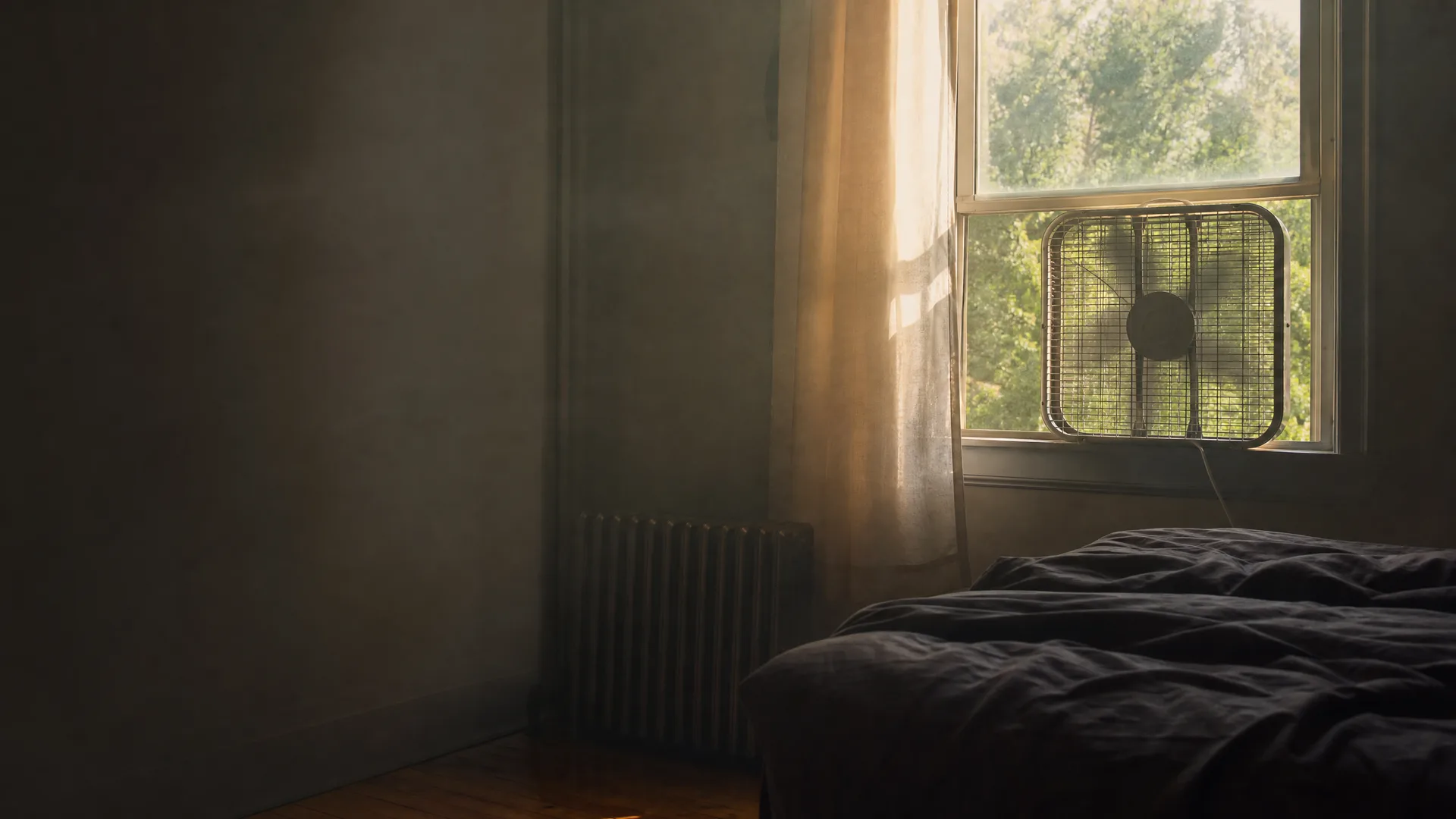
A dim bedroom with a bed covered in gray bedding, a cast-iron radiator against the wall, and sunlight entering through a window fitted with a box fan and a sheer curtain, with green trees outside.

It's past eight and still ninety-something out. Upstairs, the box fan in your bedroom window pushes thick air across the bed, doing more noise than cooling. You can hear the condenser outside, running steady, same as it has all day, but the room hasn't let go of the heat. Sweat sticks the sheet to your arm. Down the hall your thermostat still reads three degrees above what you set it to an hour ago. You get up to flip the fan's switch to the other setting, the one that pulls air out instead of in, and lie back down to wait it out, because at eleven it'll finally start to turn.


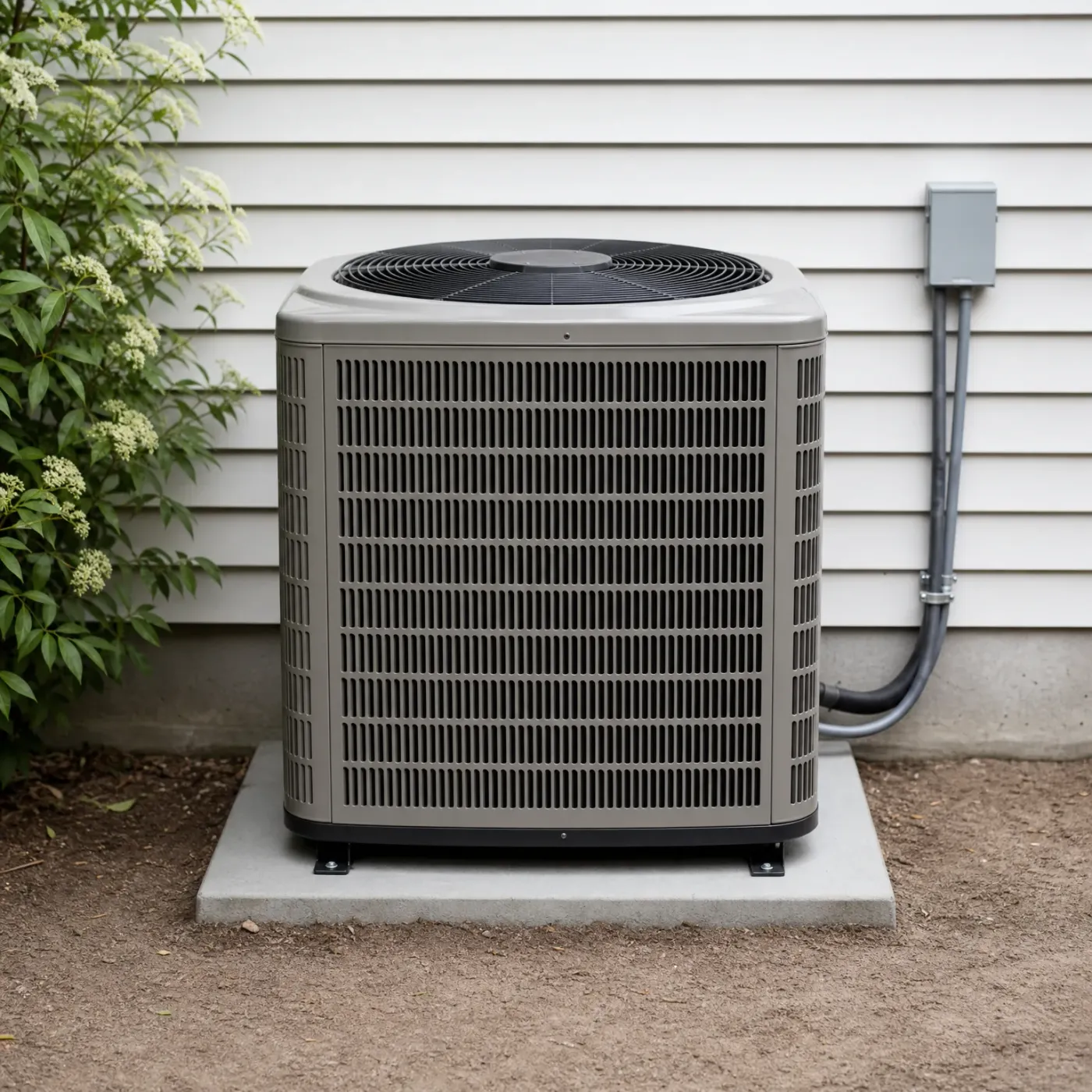
A gray outdoor air conditioner condenser unit on a concrete pad beside a house with horizontal lap siding, with a flowering shrub at left and a disconnect box with conduit on the wall at right.
A condenser this clean, with the shrub trimmed back and the conduit intact, still has years of work left in it on R-410A.
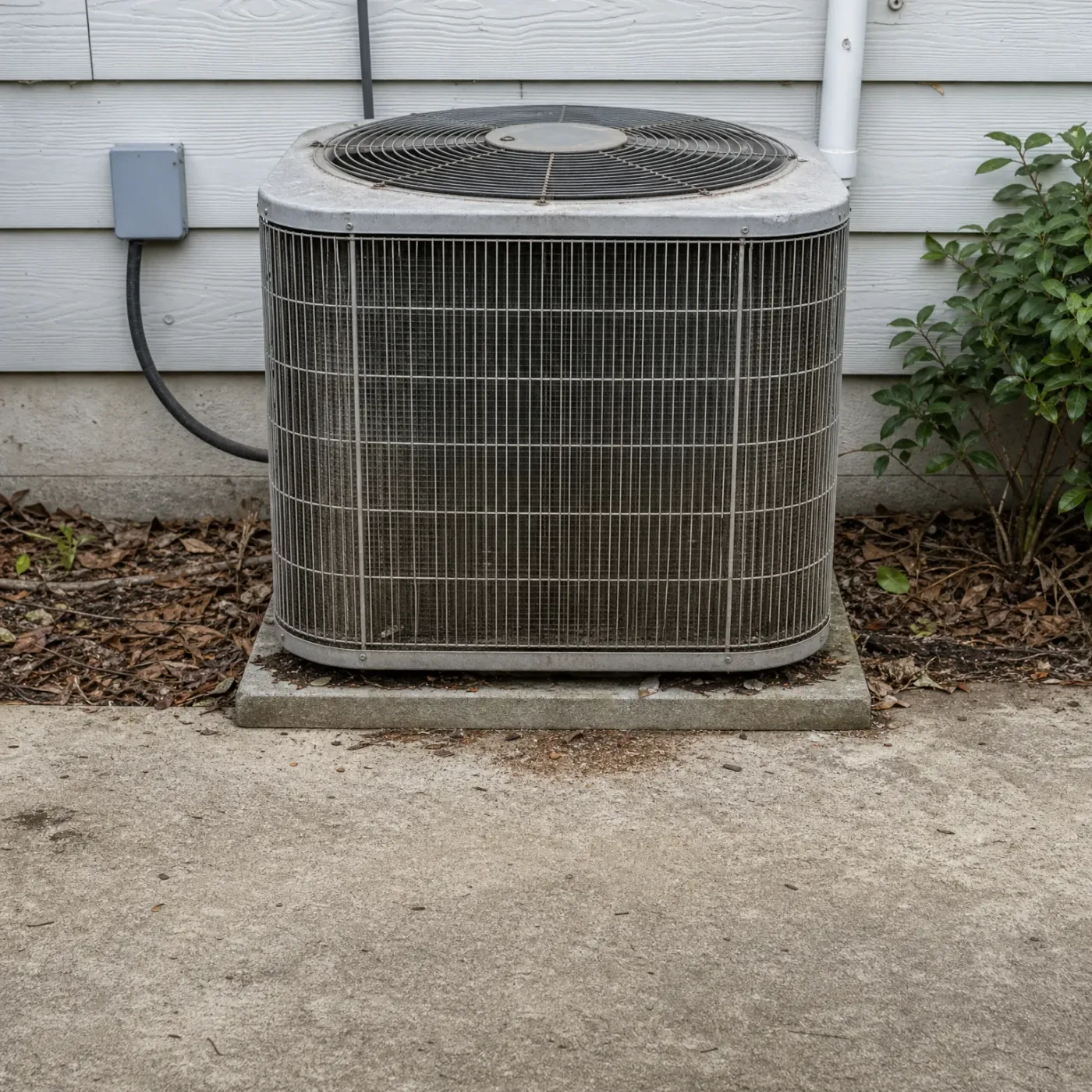
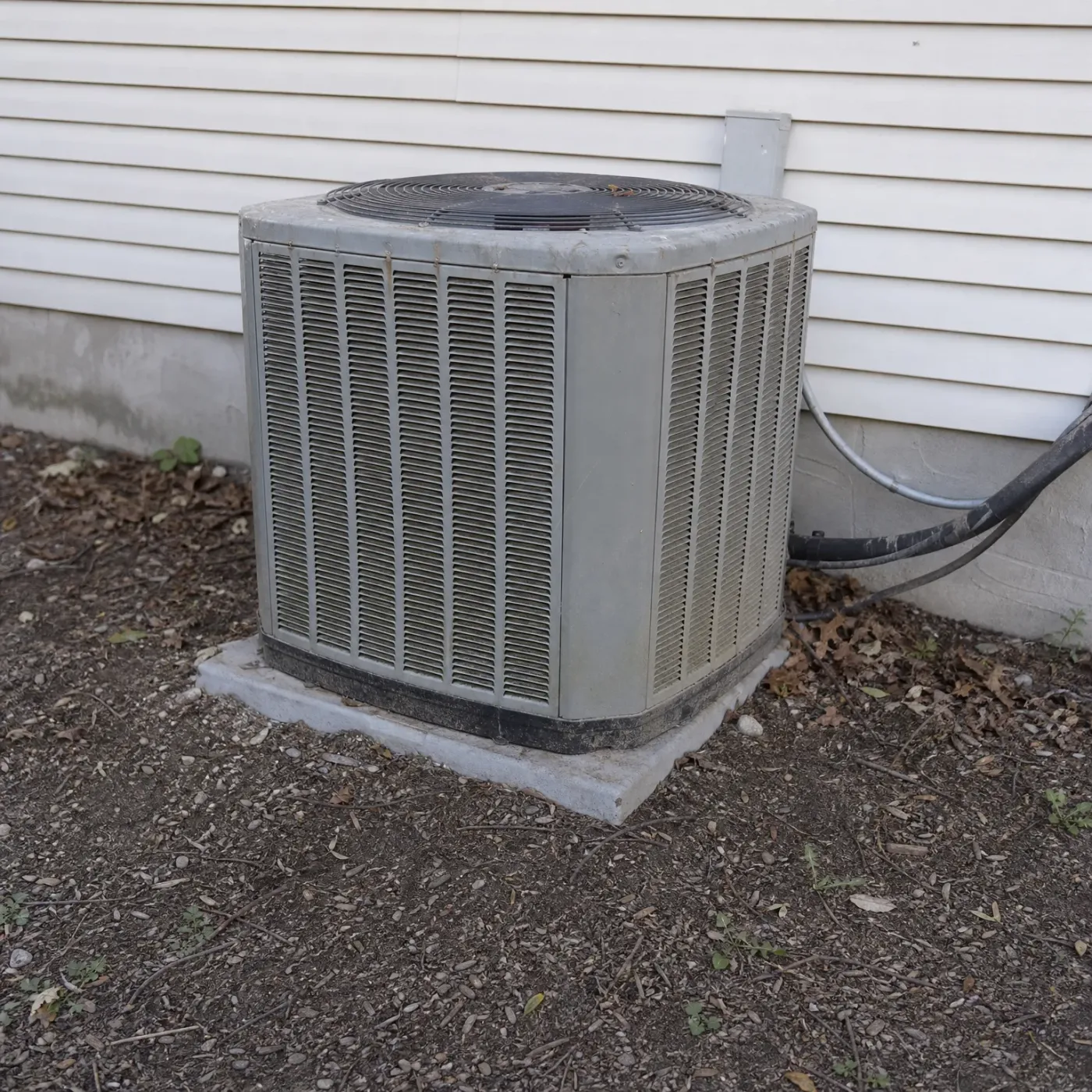
An outdoor air conditioner condenser unit on a concrete pad beside a house with light horizontal vinyl siding, surrounded by bare dirt, gravel and dry leaves, with refrigerant lines and conduit running along the wall.
Leaves packed against the base and lines exposed to the weather are what age looks like right before a condenser quits for good.
  1. A contractor checks the nameplate and confirms the refrigerant your system runs on.

  2. The old condenser, lines, and pad get disconnected and removed.

  3. A new condenser rated for R-32 or R-454B goes on the pad.

  4. New lines get run, since the old ones aren't rated for the new refrigerant.

Power costs 13.22 cents per kilowatt-hour statewide

At 13.22 cents a kilowatt-hour, running your air conditioner here costs less than it does in most states. A new R-32 or R-454B system uses that power more efficiently too, so replacing an aging unit tends to show up as a smaller bill, not just a different refrigerant label.

EIA-861 2025 statewide residential average

Where your system stands now

  • R-410A hasn't disappeared from Tennessee: it's still made, still stocked, and still legal to service in systems already installed.
  • The rule only reaches you the day your condenser needs a full replacement, not before.
  • When that day comes, a licensed local contractor who works on these systems every summer already knows which R-32 or R-454B unit fits your pad and your lines.
  • Sending one request means talking to one contractor instead of fielding calls from several, comparing quotes, and explaining your system's history each time.
  • Whether you're patching an R-410A unit this year or replacing it, the work goes to someone who handles this equipment in Tennessee heat all season long.

Your air conditioner is either fine as it is or it needs replacing, and the phase-out itself doesn't move that line. If the condenser outside is running steady, sealed up, and cooling the way it should, R-410A is still sitting on shelves and a contractor can still service it. That doesn't change because 2025 came and went. What changes is the unit you get the day this one quits for good. A failed compressor or a cracked coil past its years means a new system, and that new system runs on R-32 or R-454B because that's what's being built now.

That's the moment the rule actually reaches your house, not before it. When it comes, the question isn't which refrigerant is legal. It's which unit fits the pad outside your house, the lines running into it, and a Tennessee summer that doesn't let up long enough for anyone to figure that out from scratch. A contractor who installs these systems through July and August here has already matched R-32 and R-454B units to homes like yours more than once this season. That's not something you'd need to explain twice, and with one request, you're not explaining it to three different companies either. One local contractor, already familiar with this equipment, looking at your actual condenser instead of a description of it over the phone.

A covered porch with a wood front door with six upper glass panes, a lantern wall sconce, tapered column on a stone base, potted ferns and flowers, a woven doormat, and wide steps leading to a paver walkway bordered by shrubs and white hydrangeas.
A beige upholstered sofa with a cream cushion and chunky knit throw sits beside a white-framed window, with a leafy potted plant in a stone vase against a tan wall.
Sunlit corner of a room with a linen curtain beside a window, built-in shelves holding ceramic vases, wooden bowls, a potted green plant, stacked books and a woven basket, above a textured rug.
A dark wood three-drawer dresser against a pale wall holds a tall ceramic vase with leafy branches, stacked books and a shallow bowl, with a framed print above, a woven basket on the wood floor at left, and an upholstered sofa with a green pillow in the foreground.
A cream upholstered sofa with a textured ivory cushion and a rust-colored cushion sits beside a window with sheer linen curtains, with a potted leafy plant behind it and a wooden bowl on a wood table in the foreground.

Explain it one time

Your request stays with one local pro.

Describe it once

You're not committing to anything by asking.