



Tennessee AC Cooling

Why your AC can't keep up on hot Tennessee days

After you send the request, you're done searching.

Send my request

Why can't my AC keep up when it's really hot outside?

You notice it most on the hottest afternoons. The thermostat says 72 but the house feels like 78, and the unit outside is running nonstop. It's not broken in any way you can see or hear, it just isn't winning. In Tennessee, where the air sits thick and heavy for months, this is the time of year an AC's weak spots show up, and a system that handled May just fine can struggle once July and August push past 95.

Your AC is sized for normal summer heat, not the worst of it

Every air conditioner is built to handle a certain amount of heat, and in Tennessee that number is set for a typical summer day, not the stretch of 95 and 100 degree afternoons that shows up most years. When the outdoor temperature climbs past what the unit was matched to, it has to run longer to move the same amount of heat out of your house, and on the worst days it may run constantly and still lose ground. If the system is also low on refrigerant, has a dirty coil, or has a part starting to wear out, that gap gets wider fast. A unit that keeps up fine at 90 can fall behind at 98, and that difference is often a sign something needs a look, not just hot weather doing its thing.

  1. Heat and humidity load climbs fast once it's over 95 outside.

  2. The compressor runs flat out but can't pull enough heat out.

  3. Refrigerant comes back warmer, so the coil can't get as cold.

  4. Airflow across the coil slows as the system struggles to keep up.

A middle-aged woman with shoulder-length dark hair, wearing a gray cardigan over a cream top, sits in an upholstered armchair and looks toward a sunlit window, with a shelf holding framed pictures and a plant behind her.
A woman and a child wrapped together in a knitted gray blanket on a couch, with the child's head resting on her shoulder and a lit table lamp and houseplant in the background.

What a healthy system does

A properly charged, properly sized AC is built to drop the indoor temperature about 20 degrees below whatever it is outside. On a 95 degree day in Tennessee, that puts a healthy system right around 75 inside, running long stretches but still catching up some overnight. If your unit was sized and charged right when it went in, that math should hold on even the worst afternoons. When it doesn't, something has changed inside the system itself, not just the weather outside it.


Why low refrigerant makes it worse

A system low on refrigerant can't absorb heat the way it's designed to, and that problem gets bigger as the temperature climbs. The compressor still runs, the fan still spins, but the coil never gets as cold as it should, so less heat leaves the house per hour it runs. On a mild day that shortfall might not show. On a 95 degree day it's the difference between a house that holds at 74 and one that climbs past 78 no matter how long the unit runs.

A gray-haired man in a dark sweater sits on a light gray sofa in a living room, looking toward a sunlit window with trees outside.
A gray-haired man in a dark blue sweater sits on a light gray sofa in a sunlit living room, looking off to the side, with a potted plant, shelving unit, and large glass doors behind him.
A bearded man with graying hair in a dark green sweater sits on a sofa in a living room, looking off to the side, with a sliding glass door and a dim kitchen doorway behind him.
A gray-haired man in a dark knit sweater sits on a light gray sofa in a living room, looking toward a sunlit window, with houseplants, a lamp, and framed art in the background.

By mid afternoon the strain starts to show in specific rooms, not the whole house evenly. The side of the house that gets the afternoon sun heats up first, and a back bedroom far from the return duct can run several degrees warmer than what the thermostat shows. Upstairs is usually worse, and a room with west facing windows falls behind before anywhere else does. Outside, the unit keeps running instead of shutting off to rest, and that shows up on the power bill even with Tennessee's low rates. Leave it running hard for days and the outdoor coil can ice over, which only makes the system cool less. None of this means the unit is failing. It means it's working past what it can handle on the hottest days, and a compressor run that hard all summer wears down faster than one that gets normal breaks when it's cooler out. A tech who knows this equipment can tell you whether the fix is a repair or something the system was never sized to do.

What This Looks Like In Your House

  • A system that's already maxed out on a 95 degree afternoon will lose more ground once the sun hits the west side of the house in late afternoon.
  • Rooms furthest from the return air duct run warmer first, so a back bedroom can sit several degrees above the thermostat reading.
  • The unit outside runs for hours at a stretch instead of cycling off, which shows up on your power bill even though power here is cheap.
  • If the struggle continues for days, ice can form on the outdoor coil, and once that happens the system cools even less.
  • A compressor pushed this hard for an entire summer wears faster than one that gets to shut off and rest during cooler stretches.
  • Upstairs rooms and rooms with west facing windows usually fall behind first when the system can't keep pace with the heat outside.
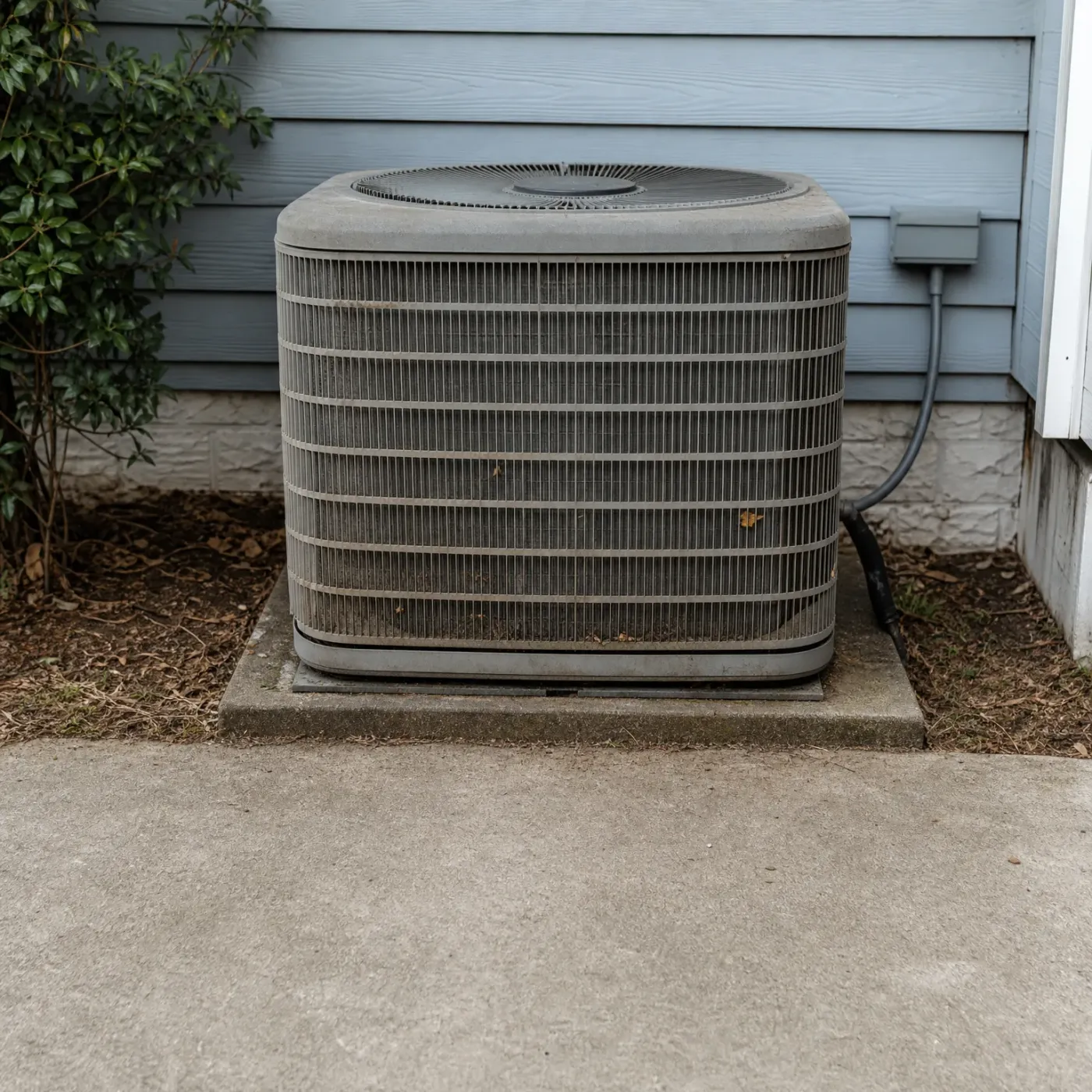
An outdoor air conditioning condenser unit on a concrete pad beside a house with light blue horizontal siding, with a shrub to the left and a conduit and disconnect box on the wall to the right.
Before you get your air conditioner repair
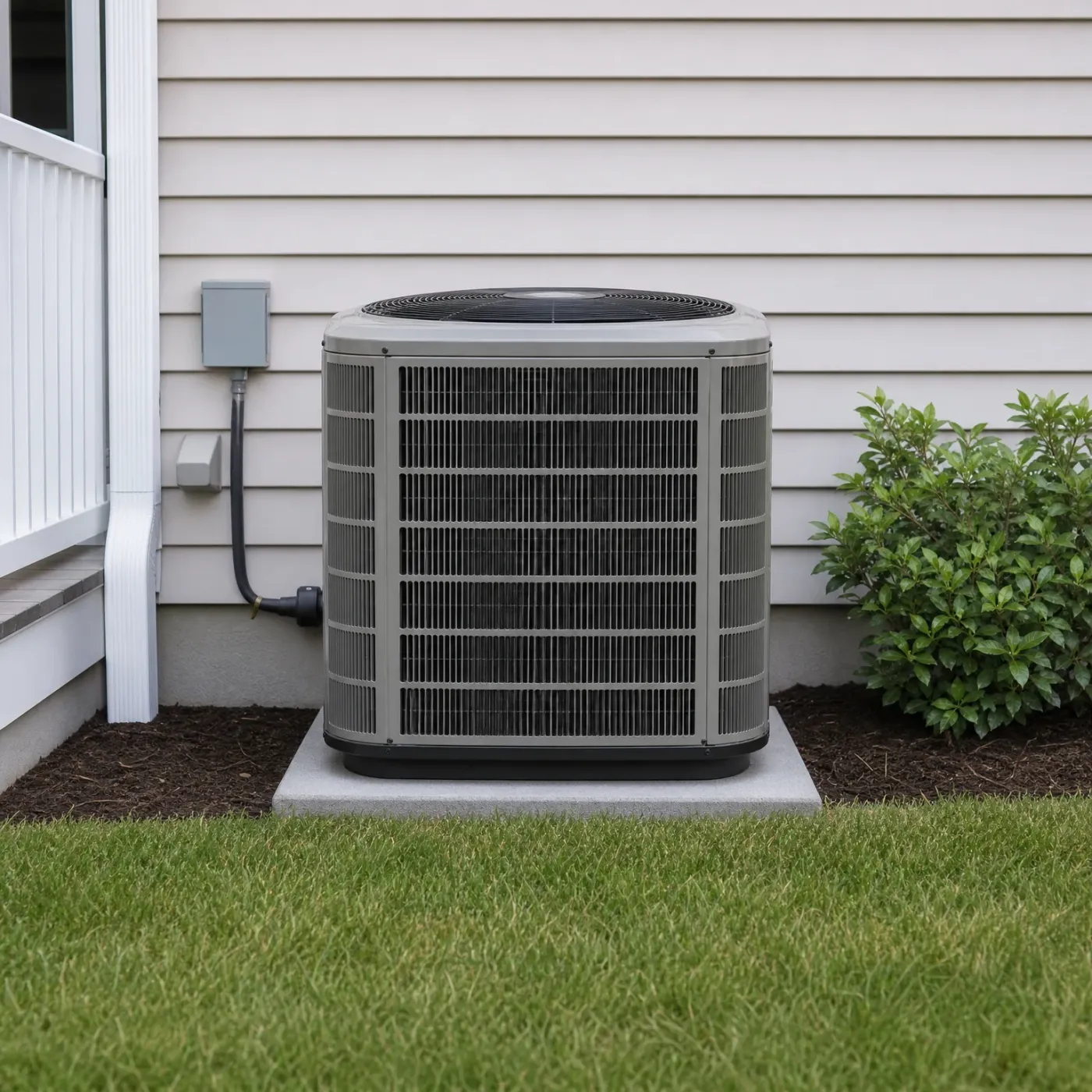
An outdoor air conditioning condenser unit on a concrete pad beside a house with horizontal lap siding, with a gray electrical disconnect box and conduit on the wall, mulch bed and shrub to the right, and mown grass in the foreground.
After you get your air conditioner repair

Struggling System vs. Properly Fixed System

System struggling to keep up

  • The outdoor unit runs almost nonstop on the hottest afternoons and still can't hold the thermostat setting.
  • Rooms farthest from the return duct, like a back bedroom, sit several degrees warmer than the rest of the house.
  • You hear the compressor working hard but the air coming out of the vents doesn't feel as cold as it should.
  • Humidity lingers indoors even when the temperature seems close, leaving the house feeling sticky.
  • A tech who works on Tennessee systems all summer can usually tell within a short visit whether the charge or the airflow is the problem.
  • Left alone, a system running maxed out tends to wear its compressor down faster than one properly diagnosed and corrected.

System fixed and matched to the heat

  • A properly charged, correctly sized system drops the house about 20 degrees below the outdoor temperature on a 95 degree day.
  • The unit cycles off at points through the afternoon instead of running continuously.
  • Every room, including the ones that ran hot before, lands close to the thermostat setting.
  • A local, licensed contractor who services this equipment every summer knows which parts tend to fail first in this heat.
  • Since the match is to one contractor, you're not fielding calls from several companies after asking for help.
  • Indoor humidity drops along with the temperature, so the house feels as cool as the number on the thermostat.
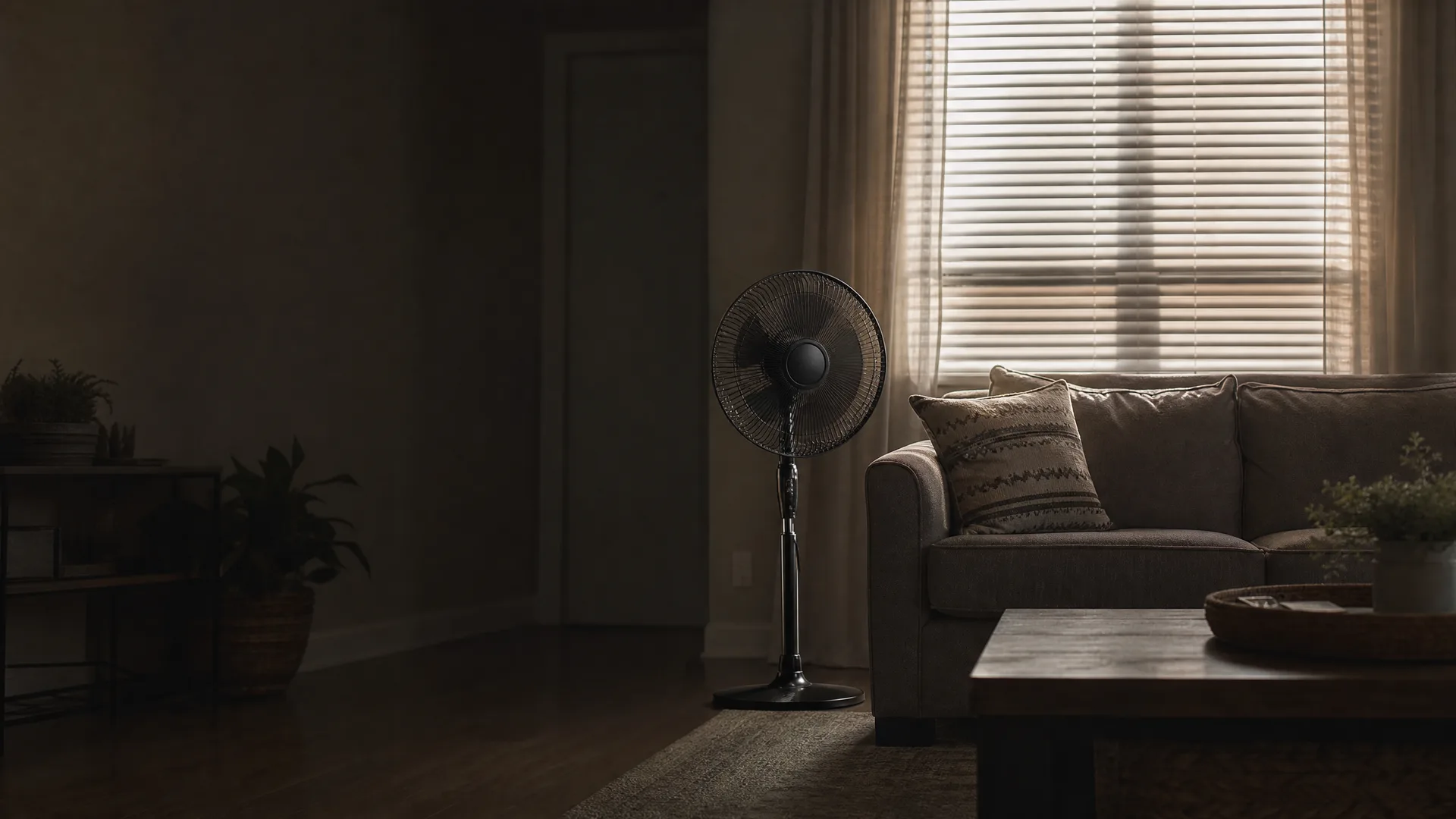
A dimly lit living room with a black pedestal fan on a wood floor beside a gray sofa with a patterned pillow, a wooden coffee table in the foreground, potted plants at left, and a curtained window with blinds behind.

The blinds have been down since noon. Outside it's past 95 and the light coming through the slats is white and flat. The floor fan is turned toward the couch, pushing the same warm air back and forth. You've stopped checking the thermostat because it hasn't moved in twenty minutes. Through the wall you can hear the outdoor unit still going, the sound it makes when it hasn't shut off in hours. Your shirt is sticking to your back even sitting still. You know what a licensed tech would find before they ever opened the panel, because a system that's been losing ground since one o'clock doesn't need a guess. It needs someone who works on these units all over Tennessee every summer and knows which part gives out first on a day like this.

Hand off the search today

A system that can't hold its temperature on the worst afternoons usually has a reason behind it, a low charge, a coil losing airflow, a capacitor giving out under the strain. Those don't fix themselves, and they tend to get worse right as the heat gets worse. The contractor who gets your request works on this equipment in this kind of heat every summer and has a good idea what's likely wrong before they even pull up. Tennessee summers don't let up for long, and a system that's struggling at 95 degrees outside isn't going to catch a break on its own. Once you send the request, it's off your plate. You're not the one tracking down who's free or waiting to see who calls back first. Send it now, while the afternoon is still hot enough to show you what's wrong, and let someone who knows this equipment take it from here.

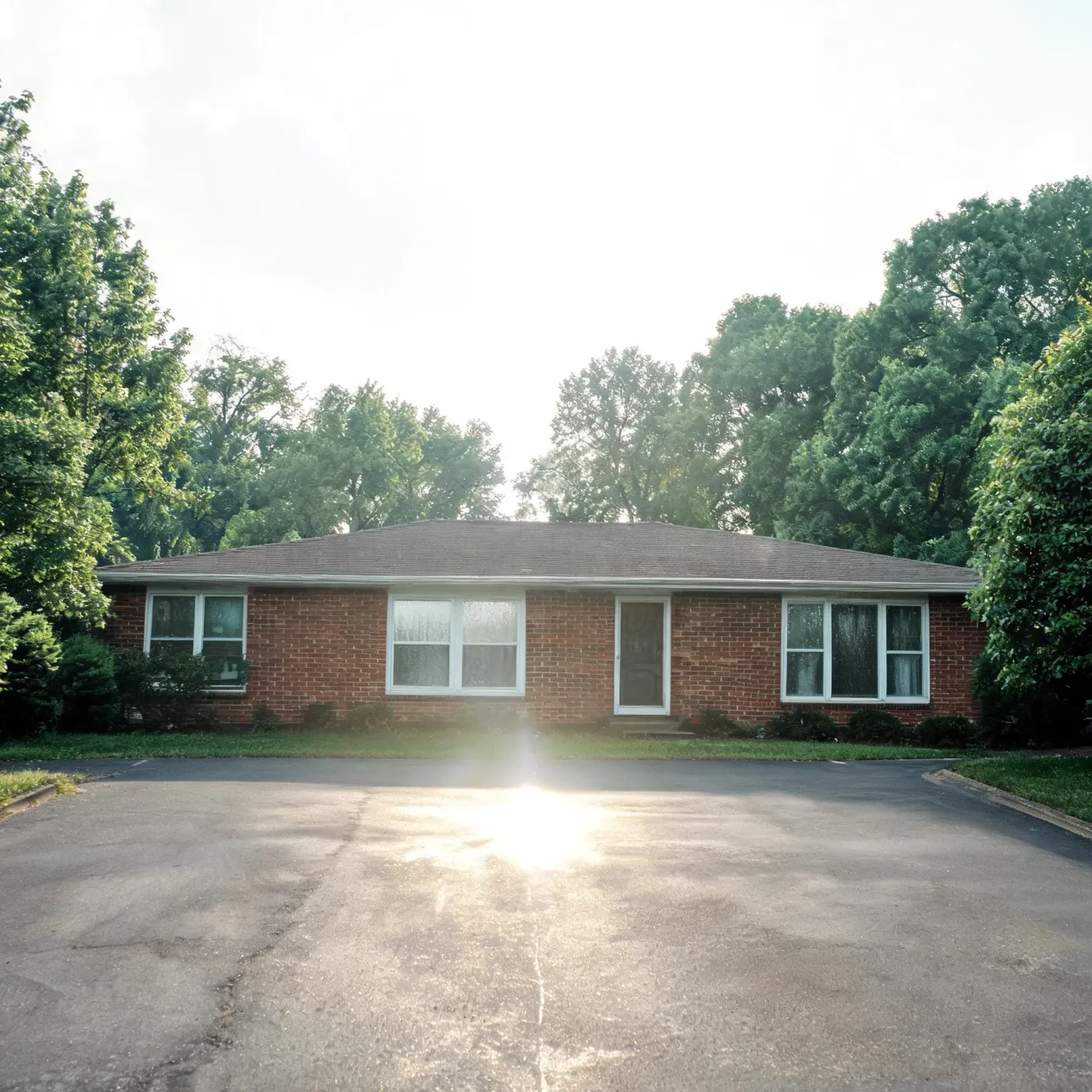
A single-story red brick ranch house with a low shingled roof, white-framed windows and a central door, fronted by a large asphalt parking area with sun glare, surrounded by leafy green trees.

The air here doesn't just get hot, it holds water. Summer dew points across Tennessee average 66°F, according to NOAA climate data, which is the range where air starts to feel heavy and wet rather than just warm. Your air conditioner has to pull that moisture out before the house feels dry, and that work doesn't show up on the thermostat. Two houses can sit at the same 72 degrees and feel completely different, one crisp, the other damp and sticky. On a muggy afternoon, the system is running two jobs at once, cooling the air and wringing the water out of it, and the second job is the one that wears it down.

NASA POWER T2MDEW county cells weighted by homes

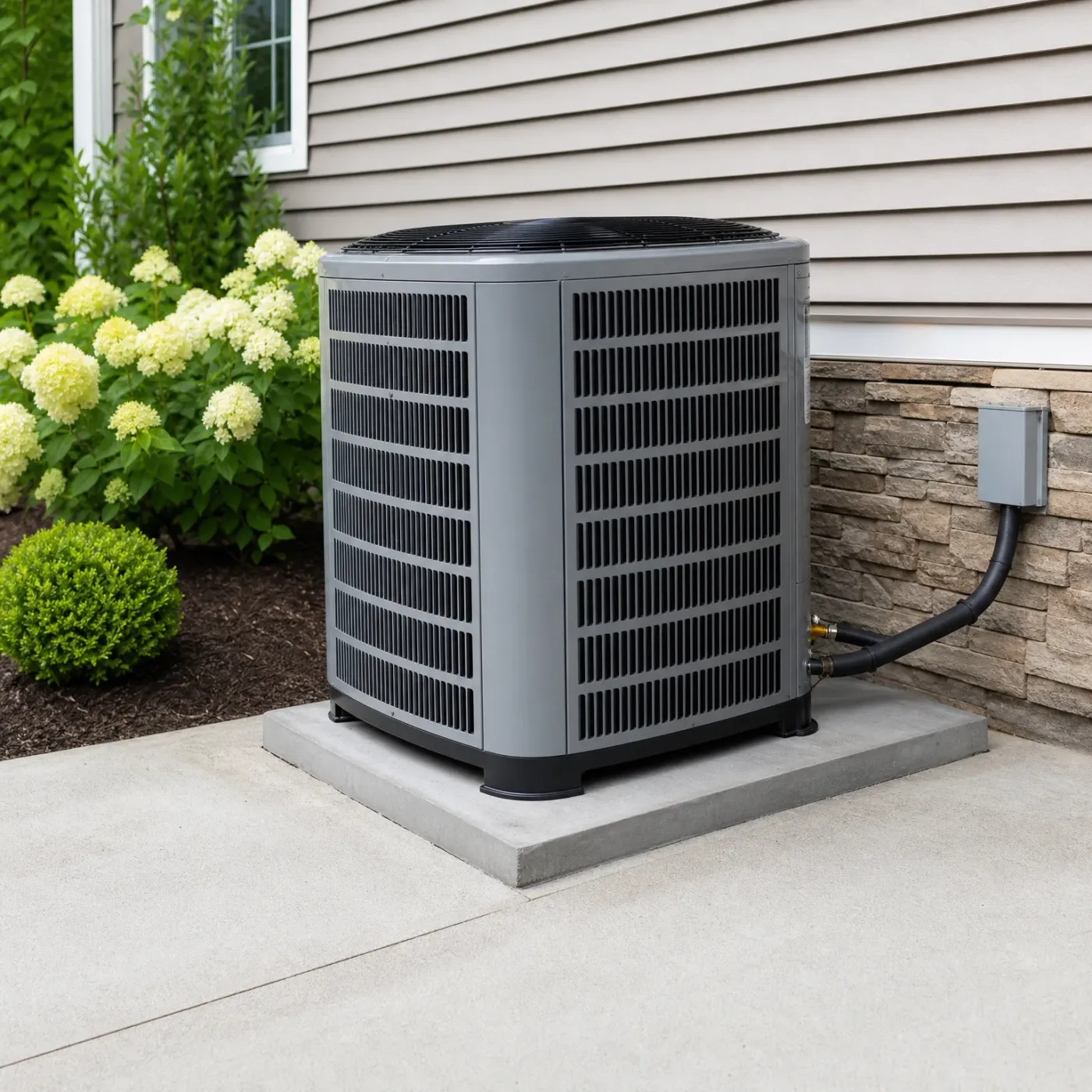
A gray outdoor air conditioning condenser unit on a concrete pad beside a house with horizontal siding and a stone veneer base, with refrigerant line and electrical disconnect box on the wall and flowering shrubs to the left.
A clean condenser with clear space around it moves heat the way it was designed to, even on a brutal afternoon.
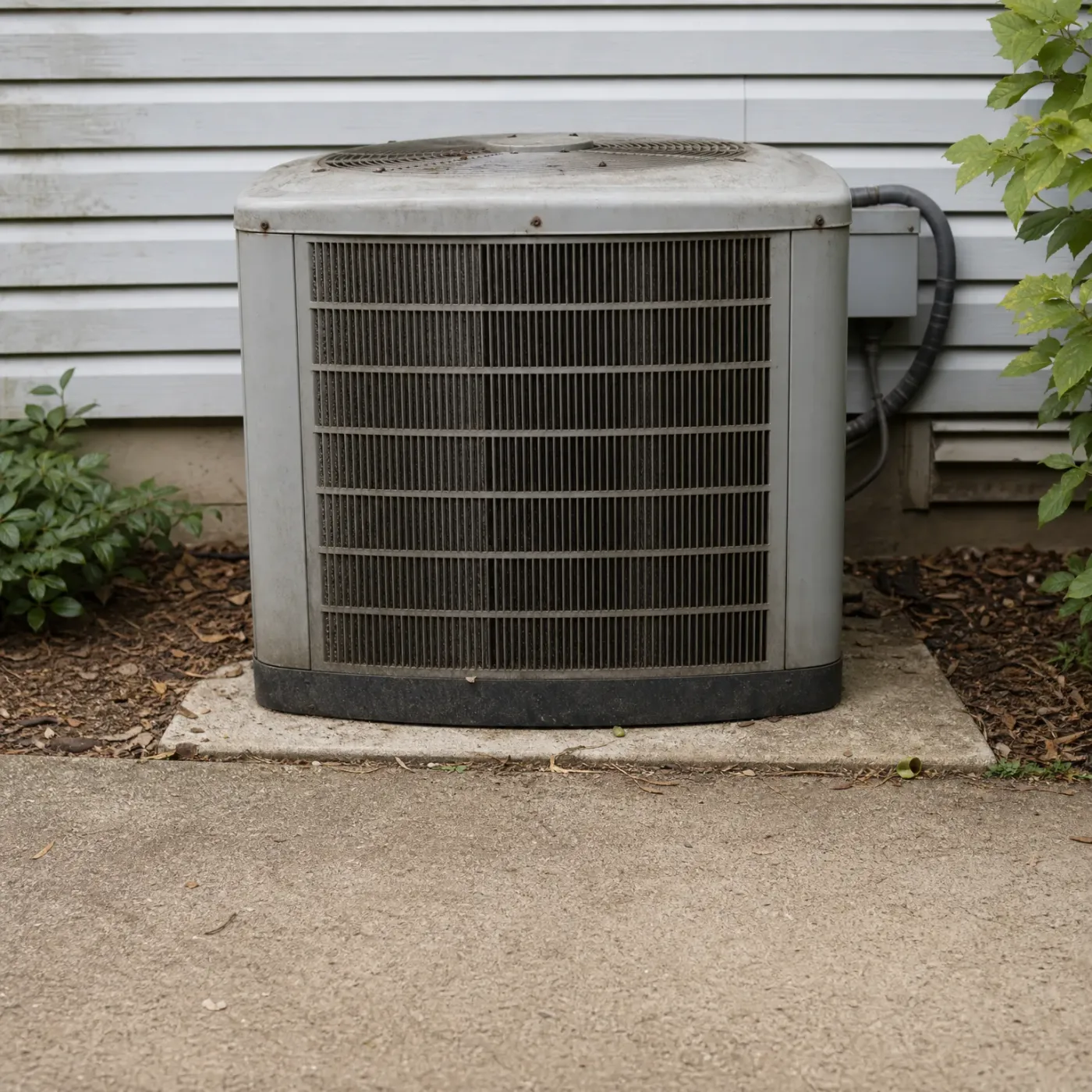
An outdoor air conditioner condenser unit on a concrete pad beside a house with light gray horizontal siding, with mulch and green shrubs on either side and a concrete walkway in the foreground.
Caked fins and a dirty coil trap heat against the unit, so it struggles right when you need it most.

Power costs 13.22 cents per kilowatt-hour statewide

At 13.22 cents per kilowatt-hour, running your AC flat out on these afternoons costs real money without even getting the house cool. A system that's low on charge or losing airflow ends up working the hardest for the least relief, so the fix pays for itself in comfort as much as anything else.

EIA-861 2025 statewide residential average

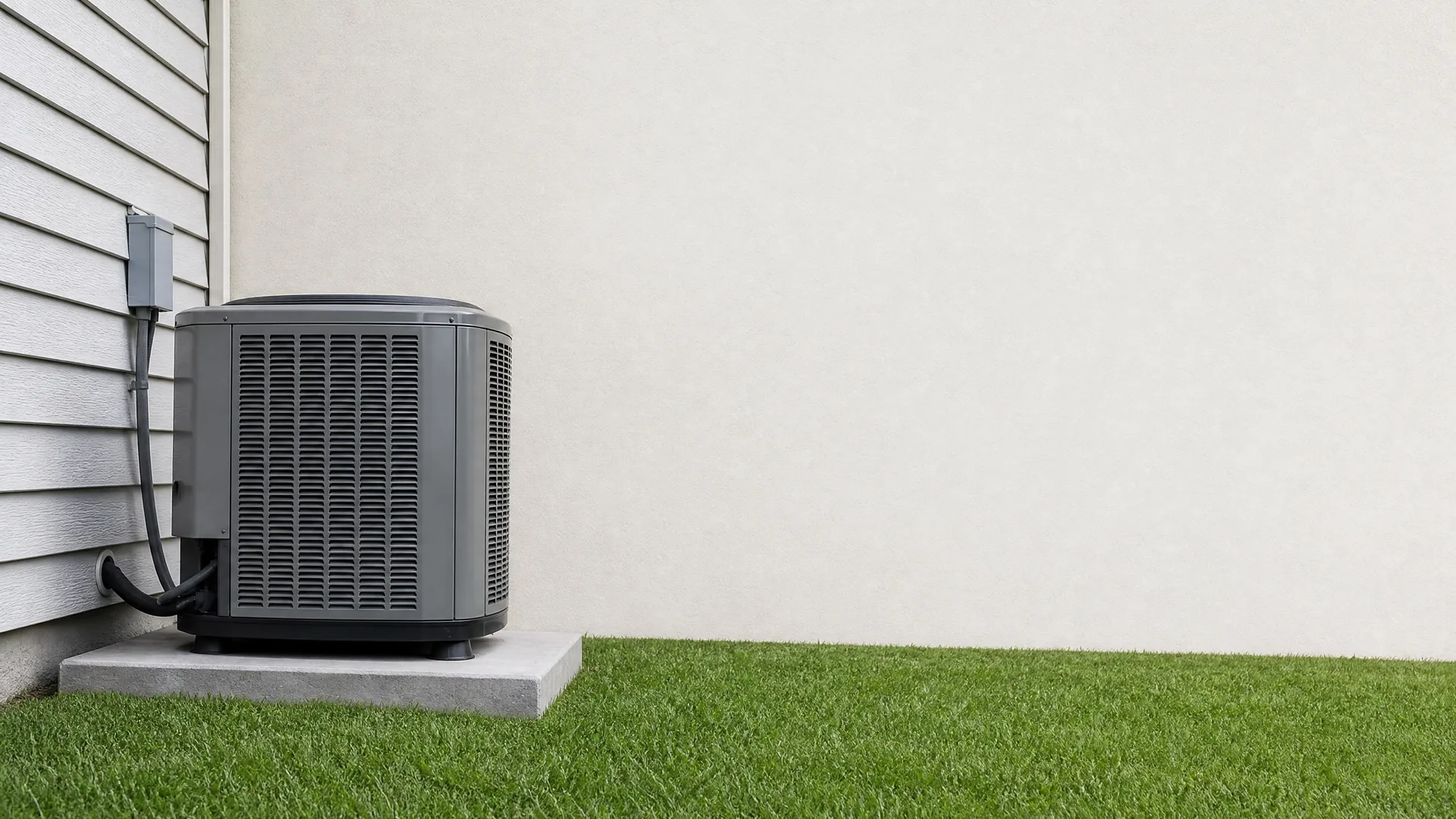
A gray outdoor air conditioner condenser unit on a concrete pad beside a house corner with lap siding and a stucco wall, surrounded by mown green grass.

Waiting it out another week

You keep telling yourself it'll catch up once it cools off a little at night. It doesn't. The unit outside runs the same long stretches tomorrow, and the house still sits a few degrees off target by mid-afternoon. Whatever's making it struggle now, a weak capacitor, a coil losing airflow, a charge that's dropped, is still there in the morning. Pushing it through another string of 95 degree days just asks more of a system that's already behind.

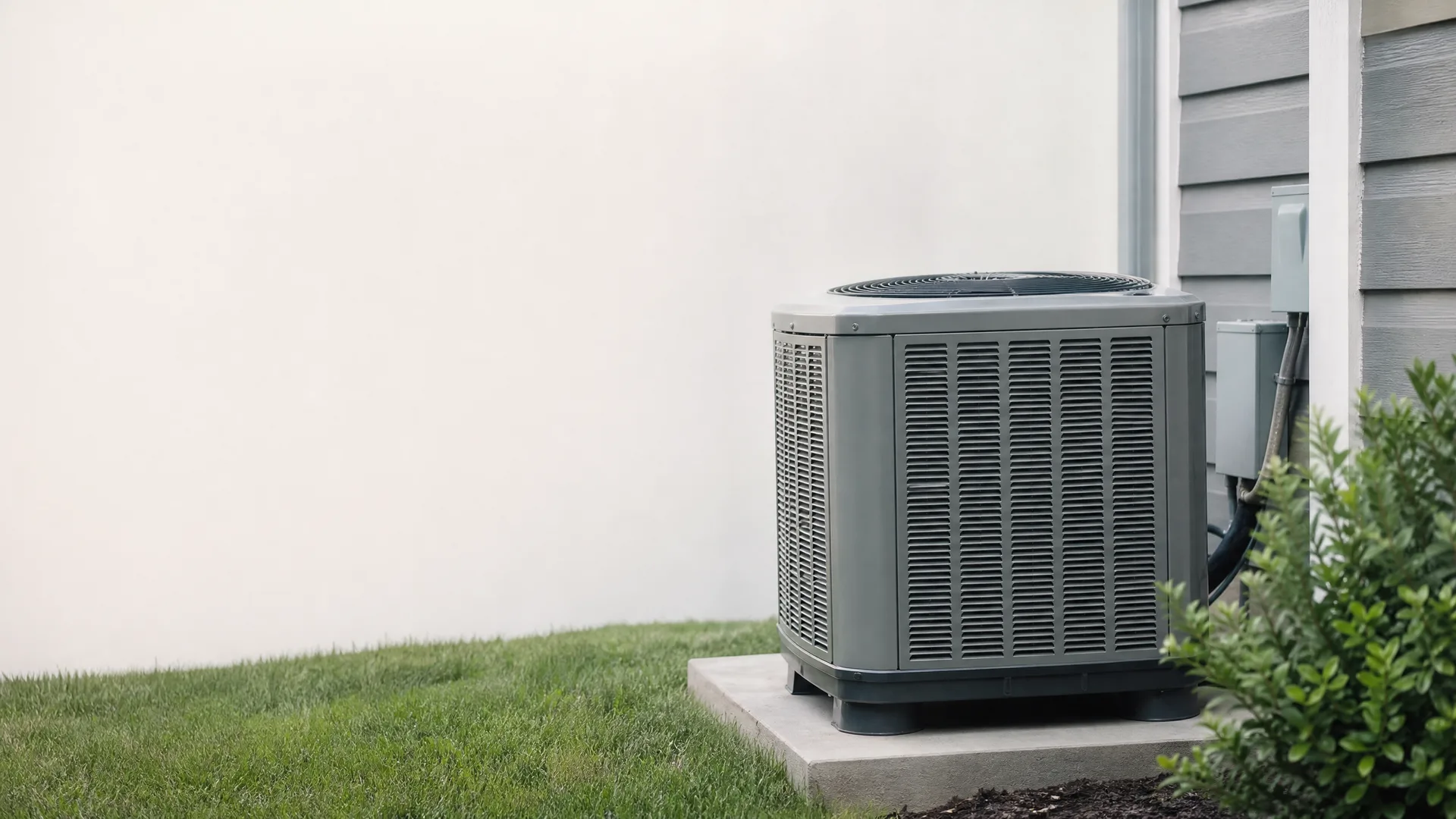
An outdoor air conditioning condenser unit on a concrete pad beside a house with light stucco and lap siding, with mown grass to the left and a green shrub to the right.

Getting a tech out this week

A licensed contractor who works on this equipment all summer has seen this exact complaint on this exact kind of day. They'll check the charge, the airflow across the coil, the capacitor, and find what's actually costing you those degrees. Once you send the request, it's one contractor coming, not a handful of companies calling you back, and finding that person stops being something you have to do yourself.

A thermostat that can't win against a 95 degree afternoon is telling you something specific: the system has lost capacity it used to have, and the heat outside is just exposing it. That's a low charge, a dirty coil, a capacitor on its way out, or a combination, and it's a repair, not a season you have to get through. A technician who works on Tennessee systems all summer has seen this exact complaint more times than almost any other, and knows which of those it usually is before the gauges even come out. Getting matched with one licensed contractor, local to you, means someone looks at your actual system instead of your phone ringing off the hook with companies that don't know your address. You don't need a new unit to feel the difference. You need whatever's making this one work so hard found and fixed, so the house holds 72 on the afternoons it matters most.

A single-story stucco house at dusk with a lit paver walkway lined by low path lights, desert plants and boulders in front, and distant mountains under an orange and blue sky.

Air Conditioner Repair

Stop chasing an air conditioner pro

Step 1 of 3: Equipment
  • A beige upholstered armchair with an olive cushion sits in a sunlit corner beside a wooden side table holding a ceramic vase with leafy branches, under a framed abstract artwork, on a woven rug over a wood floor.
    • Tell a local repair pro what your air conditioner is doing.
    • A local pro who knows air conditioners gets your details and gets in touch.
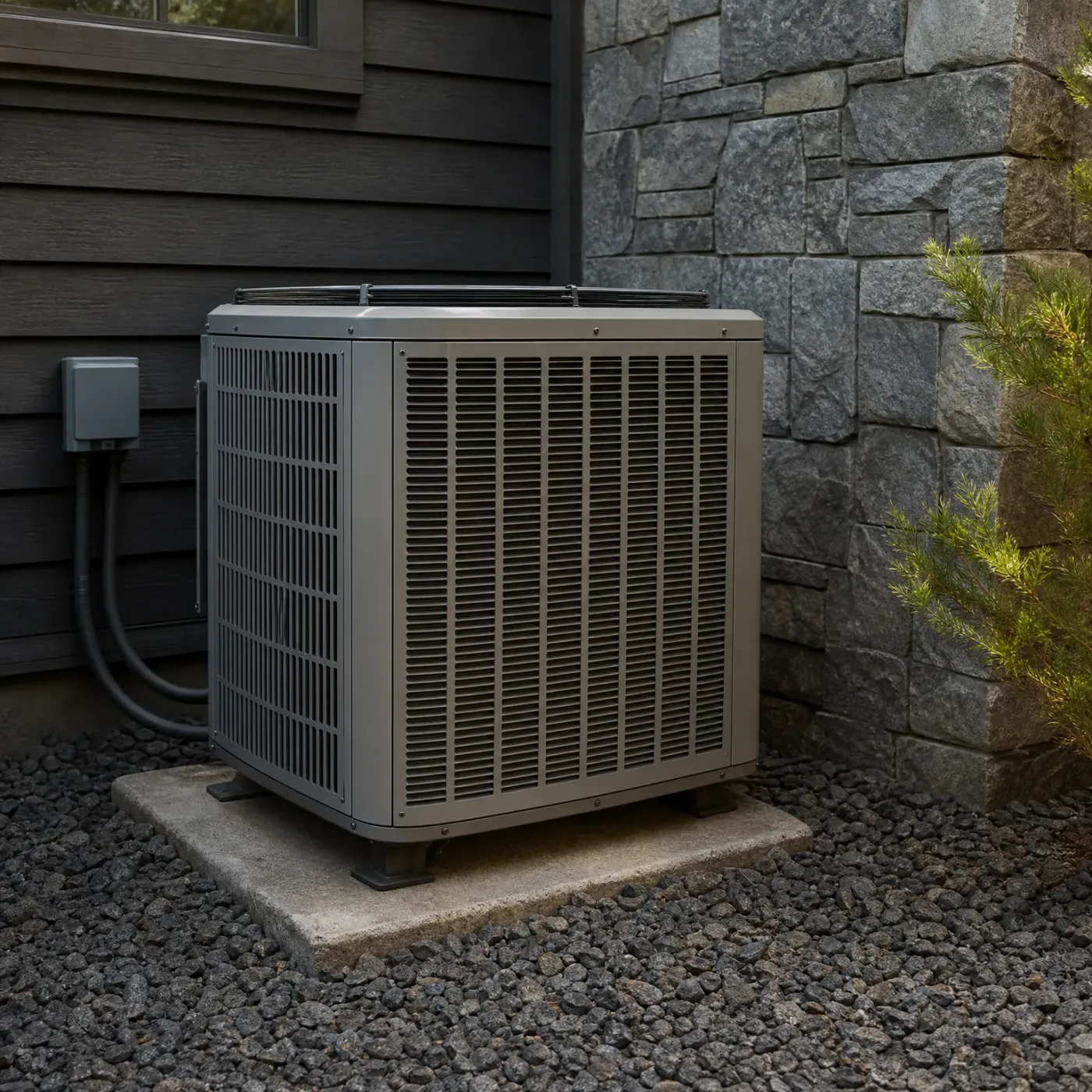
  • A gray outdoor condenser unit on a concrete pad surrounded by dark gravel, beside a dark wood-sided wall with an electrical disconnect box and a stone veneer wall with a small evergreen shrub.
    • After this form, you can stop searching for an air conditioner pro.
    • One request and the search for a pro is handled.
  • A beige upholstered oversized armchair with a matching cushion and a knit throw draped over one arm, beside a round wooden side table holding a vase of greenery near a curtained window, with a framed landscape print on the wall and a woven rug on a wood floor.
    • Skip searching for an air conditioner pro and answer a few questions instead.
    • One form replaces the calls you'd make to find an air conditioner pro.
  • Sunlit living room corner with a beige upholstered sofa, cushion and knitted throw, a round wooden side table holding a white ceramic vase of leafy branches and a small wooden bowl, a framed landscape painting on the wall, and a window at right.
    • Only one pro gets your request, so you hear from one company.
    • Your request stays with one local pro.