How the smell actually starts
- The blower motor has two speeds, and a burning smell often shows up when it switches to high and pulls harder than usual.
- A failing capacitor makes the motor strain to start, and that strain is what overheats the windings inside it.
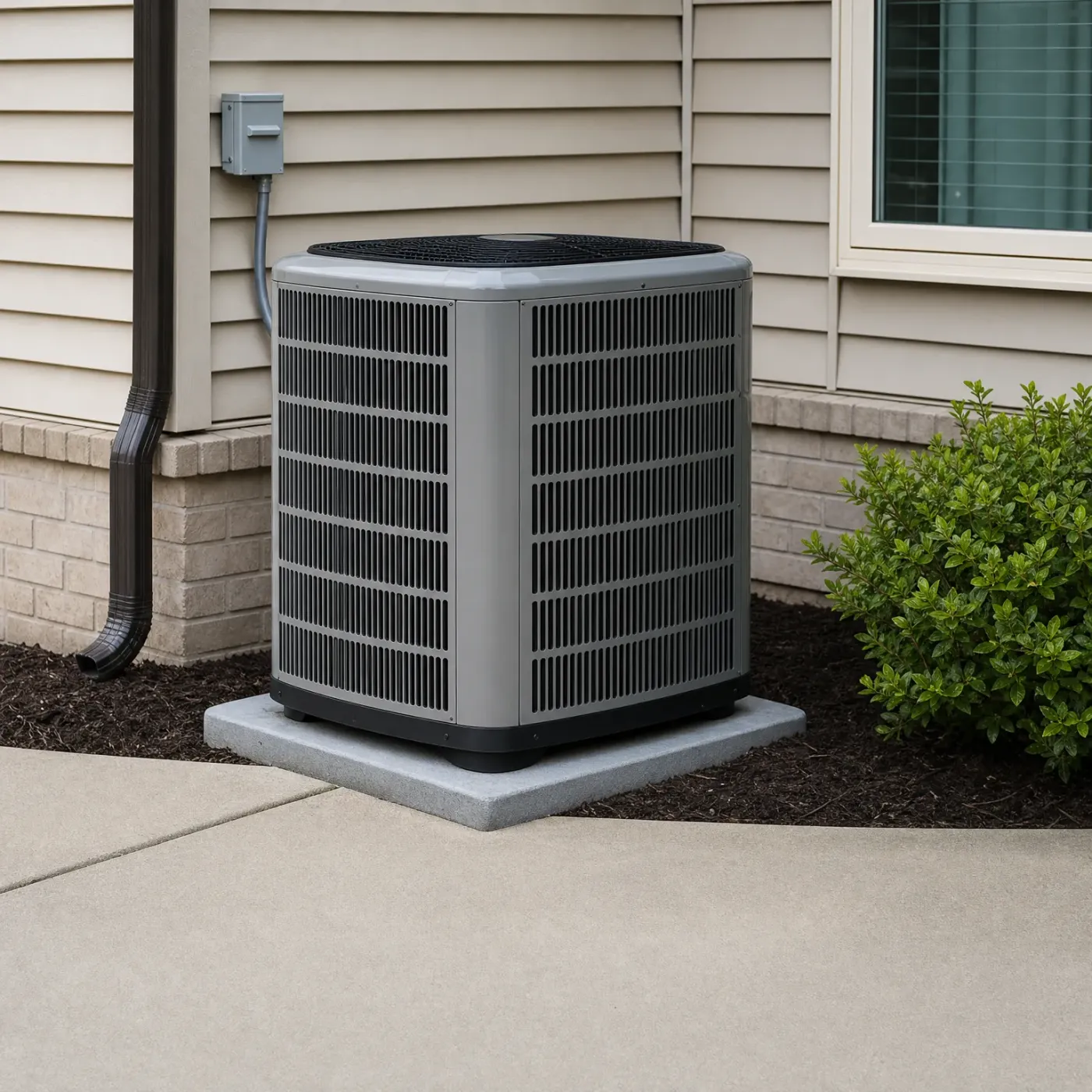
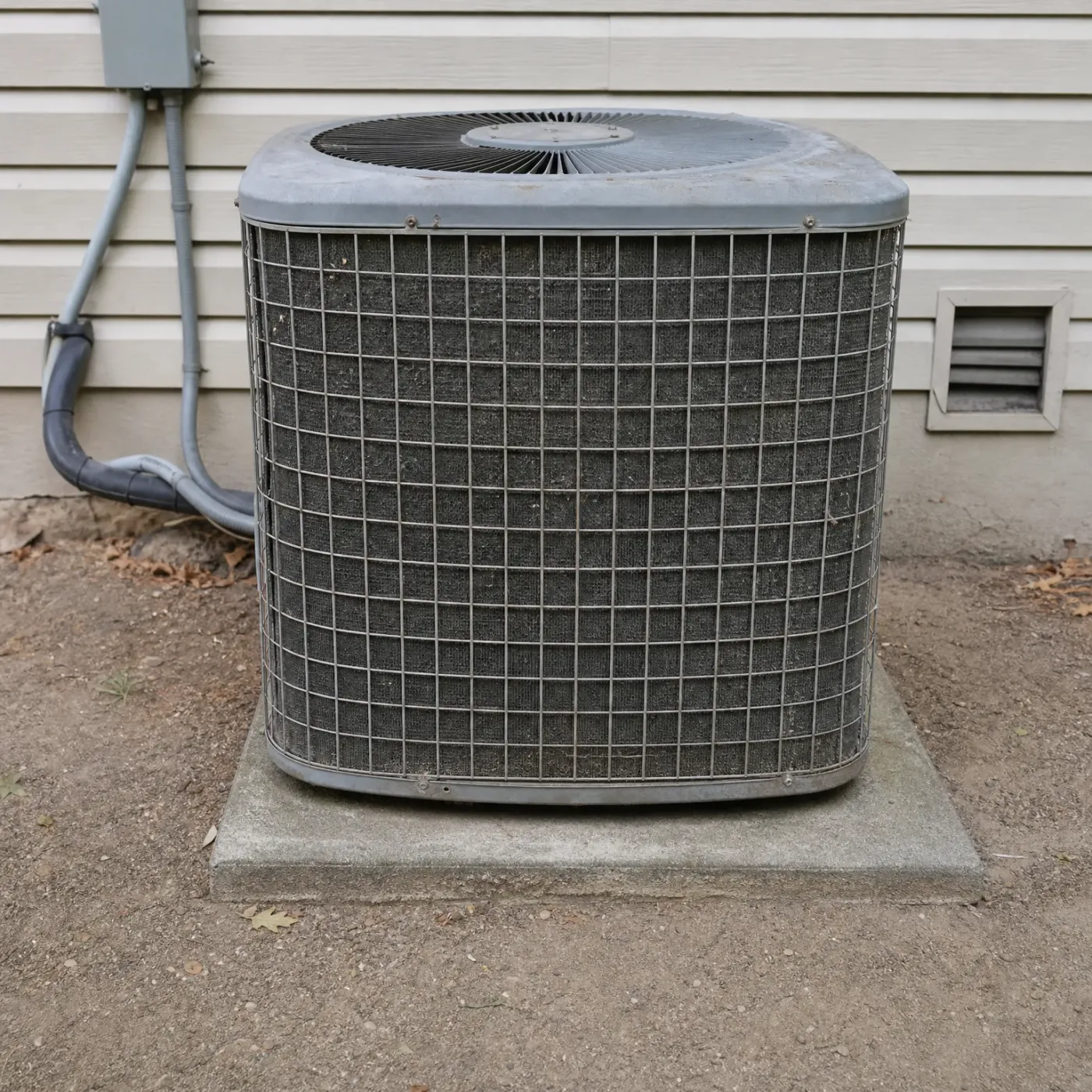
- The condenser fan outside can throw the same smell if its bearings are going and the motor is working against the drag.
- Wire insulation that's cracked or chewed through will short against the housing and give off a sharper, more electrical smell than dust does.
- A blocked return or a dirty filter makes the blower run against more resistance than it's built for, which raises the heat inside the motor.
- If the smell shows up only after the unit's been running a while, that points to heat building up over time rather than a sudden short.
A capacitor that's weakening doesn't just quit, it makes the motor fight to start every time the unit cycles on. That extra strain shows up as heat in the windings long before the capacitor fails outright, and heat on old insulation is what you're smelling. The blower motor itself runs at two speeds, and a lot of homeowners only notice the smell when the system kicks up to high, because that's when a struggling motor works hardest and throws off the most heat. Outside, the condenser fan can do the same thing if its bearings are wearing out. The motor has to push against that drag constantly, and the extra load heats it up the same way a straining blower does. None of this is about the refrigerant or the coils, so if someone tells you the smell means your system is low on refrigerant, that's not where it comes from. A dirty filter or a blocked return adds to all of this by making the blower push air against more resistance than it's built for, which raises the temperature inside the motor housing on top of whatever else is going on. If the smell only shows up after the unit has been running for a while, that's heat building up gradually, not a sudden fault. Wiring that's cracked or chewed through is different. That gives off a sharper smell, more electrical, more immediate, because it's shorting against metal rather than just running hot.